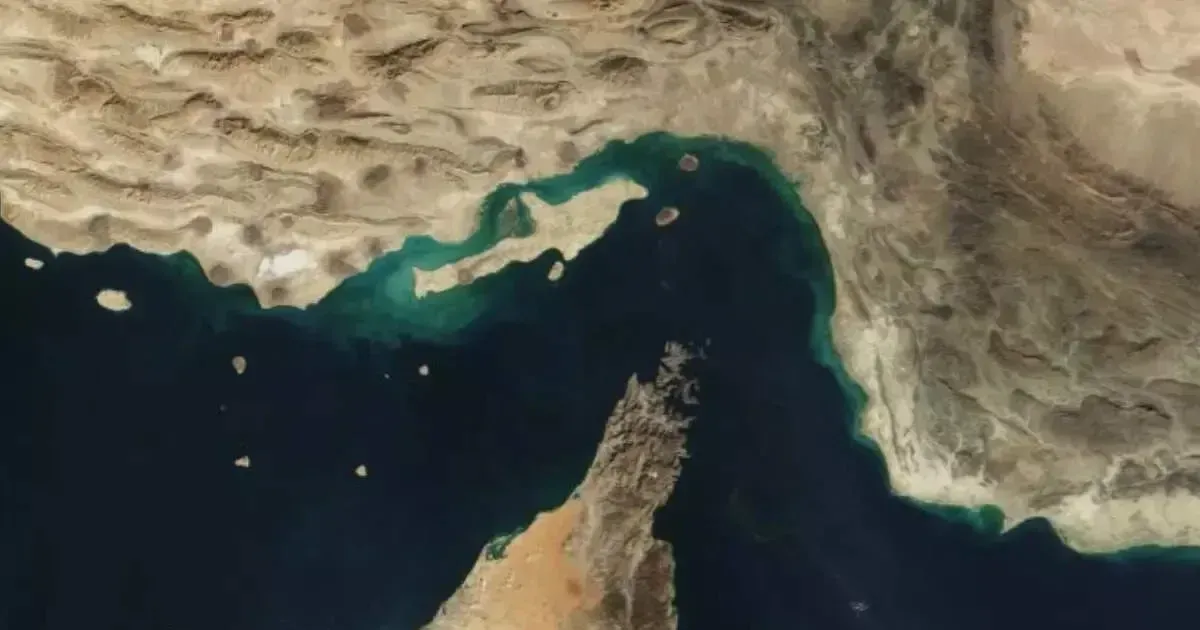
Iran's reported Bitcoin tolls for the Strait of Hormuz would turn a maritime chokepoint into a sanctions test. The policy links shipping access, digital assets and energy security in a way that traditional compliance systems are not built to handle quickly. Shipping firms also have to separate operational necessity from legal exposure. Tehran officials described the requirement on April 8, 2026, after limited traffic resumed under ceasefire conditions. Shipping companies now face a practical question: whether payment, insurance and legal exposure can be managed quickly before vessels enter the waterway.
Israeli Military Offensives and the Iranian Response
Military analysts in Tel Aviv described the Lebanon offensive as a surgical effort to neutralize rocket launch sites and command centers. These strikes resulted in the destruction of dozens of fortified bunkers and logistical hubs used by Hezbollah militants. Hezbollah leaders issued statements promising a multi-front retaliation against Israeli interests. Tehran immediately framed the closure of the waterway as a defensive necessity to prevent the movement of military materiel. The resulting blockade prevented roughly 21 million barrels of oil from moving through the Persian Gulf every day.
Empty shipping lanes became a visual representation of the mounting crisis. Oil wells across the region were shut down as storage facilities reached maximum capacity. United States intelligence reports suggested that the disruption removed more than 400 million barrels of oil from the active market in less than two months. Many refineries in Europe and Asia were forced to reduce output or cease operations because of the lack of consistent feedstock. Fuel prices at American and British pumps rose by 35 percent during the height of the standoff.
Vessels attempting to pass through the Strait of Hormuz now face a complex bureaucratic process involving pre-transit vetting and electronic manifests. Iranian maritime authorities demand detailed cargo reports via encrypted email before any ship enters the 21-mile-wide channel. Security protocols require captains to provide real-time location data to the Iranian Revolutionary Guard Corps. Failure to comply results in immediate detention or redirection back to the Sea of Oman. Movement remains restricted to specific corridors to minimize the risk of accidental military engagement. This blockage further exacerbated the crisis where the ongoing Iran war chokes one-fifth of the global oil supply.
Shipping costs have tripled because of the combined impact of rising insurance premiums and the new Iranian transit fees. Maritime insurers in London have categorized the Persian Gulf as a high-risk zone, requiring specialized war-risk coverage for every voyage. These financial burdens are passed directly to consumers through higher energy costs and manufacturing surcharges. Logistics firms are exploring alternative routes, such as the East-West Pipeline in Saudi Arabia, to bypass the bottleneck. Capacity on these pipelines stays limited compared to the enormous volumes handled by tankers.
Blockchain Tolls and the New Maritime Economy
Tehran is now enforcing a specific financial mechanism to monetize its control over the waterway. Every tanker is assigned a transit fee based on the volume of cargo it carries. Iranian officials set this rate at $1 per barrel for all petroleum products. For a Very Large Crude Carrier transporting 2 million barrels, the single-passage fee totals $2 million. Payment must be executed in digital currency within a narrow timeframe to prevent interference from international banking monitors. This system effectively creates a sovereign cryptocurrency revenue stream that is immune to conventional asset freezes.
“Once the email arrives and Iran completes its assessment, vessels are given a few seconds to pay in Bitcoin, ensuring they can't be traced or confiscated due to sanctions,” Hosseini added.
Negotiations between Washington and Tehran eventually produced a fragile, temporary ceasefire. Diplomatic cables indicate the agreement focuses on the partial restoration of maritime traffic in exchange for a reduction in naval provocations. Ship movements began to resume under strict conditions monitored by regional coast guards. Neither side has committed to a long-term resolution. The ceasefire provides a reprieve for energy markets but does not address the underlying territorial disputes in the Levant.
Hosseini, a representative for the Iranian maritime authority, explained that the digital ledger provides the speed necessary for high-volume trade. Financial analysts observe that this method allows Iran to collect billions of dollars in hard assets while avoiding the SWIFT banking system. Bitcoin transactions are recorded on a public blockchain, but the destination wallets are obscured through sophisticated mixing services. This makes it nearly impossible for the U.S. Treasury to block the funds in real time. Iran has reportedly accumulated substantial reserves of digital assets since the program began.
Traders in Singapore and Dubai are adjusting their payment infrastructures to accommodate the new demands. Many shipping agencies now maintain large Bitcoin balances to ensure their fleets can pass without delay. Using cryptocurrency for state-level tolls sets a precedent that other sanctioned nations may attempt to replicate. International maritime law does not explicitly prohibit a coastal state from charging transit fees for safety and maintenance, though the crypto requirement is unprecedented. Legal experts at the United Nations are currently reviewing the validity of these tolls under the Law of the Sea.
Digital Tolls Test Sanctions Power
Digital tolls do not remove the basic maritime problem. Tankers still need safe passage, predictable rules and confidence that payment will not expose them to sanctions penalties elsewhere.
That is why the policy matters beyond one route. If a sanctioned state can monetize a chokepoint through digital assets, governments will have to rethink how financial pressure works in physical trade corridors.