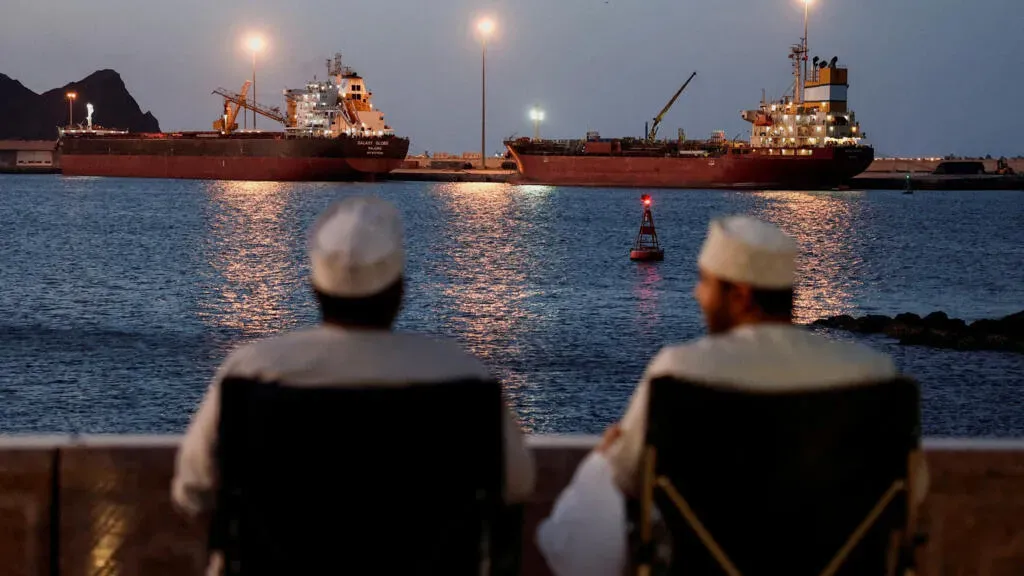
Iran's multi-warhead missiles changed the military texture of the conflict across the Persian Gulf. The launch pattern matters because it can stress missile defenses, widen target uncertainty and increase the chance of miscalculation. By March 11, 2026, Persian Gulf escalation was no longer a theoretical risk attached to speeches. It was unfolding through launches, interceptions and naval operations.
Defense Systems Face a Harder Problem
A multi-warhead capability forces defenders to make faster decisions with less margin for error. Even when interception succeeds, debris, false tracks and secondary impacts can threaten civilian areas and critical infrastructure. That is why officials should avoid treating each launch as a clean military event. The consequences spread across airspace, ports, energy facilities and cities.
Mines Add Another Layer
Reports of mine-laying and US action against suspected mine-layers make the crisis more unstable. A missile exchange can be measured in minutes. A mining scare can disrupt shipping for days or weeks, even if no vessel is struck. Insurance markets, tanker operators and import-dependent economies will react to risk, not only confirmed damage.
Civilian Costs Are Not Secondary
The severe conclusion is that each new weapons category makes the war harder to contain. Officials may describe launches, strikes and mine-clearing as separate operations, but civilians experience them as one expanding crisis. If leaders cannot define a path away from escalation, the technology will keep getting more dramatic while the strategy gets thinner. Multi-warhead launches also change the pressure on Gulf allies. Radar crews, naval commanders and civilian aviation planners have to assume that a single warning may hide several separate trajectories. The mine-clearing problem is slower and less visible. Even after missiles stop, shipping firms may treat the route as unsafe until crews can prove the waterway has been searched and marked with discipline.
Military planners also have to consider warning fatigue. If launches, alerts and interceptions occur repeatedly, civilian populations and crews can become less responsive even as danger remains high. That is one reason multi-warhead activity strains systems beyond the technical interception problem.
The maritime side is just as serious. Mines do not need to sink a large number of ships to create economic pressure. A credible mine threat can slow traffic, raise insurance costs and force navies into painstaking clearance work that is difficult to accelerate safely.
Gulf governments will be looking for discipline from both Washington and Tehran. They need defensive coordination, but they also need assurance that every tactical success is not being used to justify a wider contest. The region has lived with risk for decades; it has less tolerance for unmanaged risk dressed up as resolve.
The civilian aviation layer should not be ignored. Missile alerts and air-defense activity can force route changes, airport delays and new risk calculations for carriers. A regional conflict that begins with military targets can quickly become a planning problem for passengers, crews and insurers far from the launch sites.
The Containment Test
Containment now depends on whether military action narrows the conflict or simply gives each side another reason to widen it.