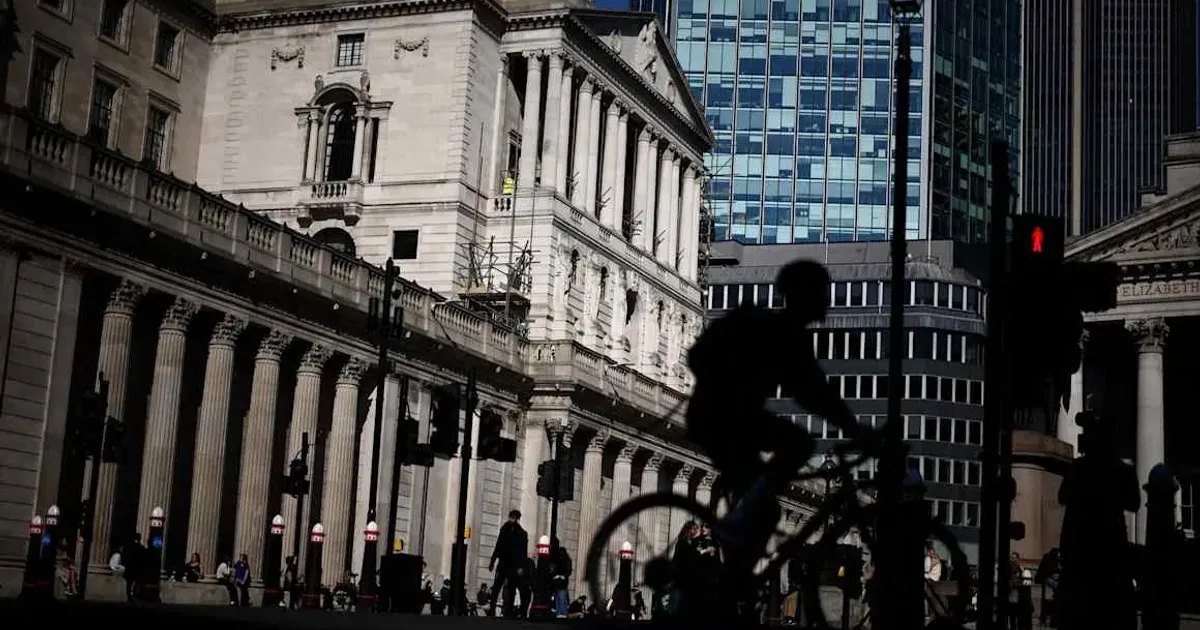
The Bank of England warned that the Iran war could push mortgage costs higher for another 1.3 million UK households, turning a distant conflict into a direct household-budget threat. The warning came through the Bank's financial stability work, which linked the conflict to energy-price pressure, market volatility and the risk of higher borrowing costs.
The mechanism is not complicated, but it is easily underestimated. If war raises oil and gas prices, inflation pressure increases. If inflation pressure persists, investors expect interest rates to stay higher for longer. Mortgage lenders then reprice loans before many households can adjust. The refinancing chain made the warning matter beyond the City. It spoke to families approaching the end of fixed-rate deals and renters whose landlords may try to pass on higher financing costs.
Energy Prices Feed Mortgage Pressure
Oil and gas shocks do not stay in the energy market. They move into transport, food, manufacturing and services, making inflation harder to control. For the Bank of England, the concern is that a geopolitical supply shock could delay rate cuts or revive expectations of further tightening.
Mortgage markets react quickly to that kind of repricing. The most exposed households are those refinancing after older, cheaper fixed deals. They may face monthly payments shaped less by their own income growth than by a war-driven inflation premium.
Gilt Markets Carry the Signal
The July rise in UK government borrowing costs showed how fast geopolitical risk can reach domestic finance. Higher gilt yields do not mechanically set every mortgage rate, but they affect the market environment in which lenders fund and price loans. When investors demand more return to hold government debt, the pressure can spread through swap rates and mortgage offers.
The changed risk direction does not mean every household will see an immediate jump. It means the direction of risk changes. A borrower preparing to remortgage is not only watching the Bank rate. They are also exposed to energy markets, bond markets and the expectation of where inflation will be months from now.
Financial Stability Is Not Household Comfort
UK banks are stronger than they were before the 2008 crisis. Higher capital buffers and stress tests reduce the risk of a systemic banking collapse. That does not mean households are comfortable. A bank can survive a shock while borrowers cut spending, miss payments or delay major life decisions.
The Bank's warning therefore separated system resilience from household strain. The financial system may absorb the blow; families still feel it at the payment date. The distinction between resilience and comfort matters because policymakers can be right about bank stability and still face a deep living-standards problem.
Bailey's Caution Does Not Remove the Risk
Bank of England governor Andrew Bailey has tried to avoid turning every oil-market move into a promise of higher rates. That caution is sensible. Monetary policy cannot control the Strait of Hormuz, and overreacting to a temporary energy spike can hurt growth. But households cannot budget with central-bank nuance alone.
If energy costs stay high and inflation expectations rise, lenders will not wait for perfect certainty. They will price risk. A limited pass-through today can still become a remortgage problem later if the conflict keeps feeding market volatility.
The War Enters the Kitchen Table
Geopolitical shocks are not remote for long. A strike in the Gulf can become a higher direct debit in Manchester, Birmingham or Glasgow. The UK has a stronger banking system than it once had, but millions of households are still exposed to refinancing cliffs and energy-linked inflation.
The Bank of England's warning should not be read as a guarantee that every mortgage will rise. It is a reminder that mortgage stress now travels through global oil routes, bond markets and central-bank expectations before arriving at the front door. For households near the end of a fixed deal, the war is not only foreign news. It is part of the next quote from a lender.