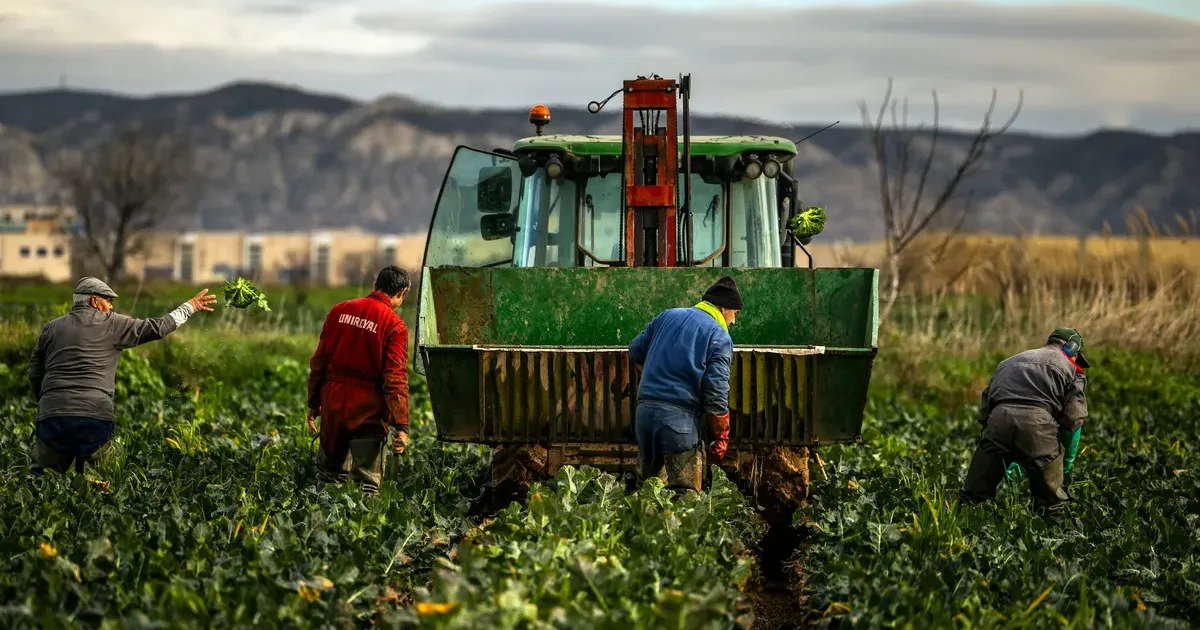
Military pressure around Iran is feeding the oil, fertilizer and shipping channels that set food and energy prices. The price shock deepened on March 12, 2026
The Iran conflict is now moving through food and energy markets at the same time, making the inflation shock harder for governments to contain.
Oil Reserves Fail to Calm Markets
The commodities shock will likely be remembered by traders as the day the safety net finally snapped. Even though the International Energy Agency moved to flood the global market with 400 million barrels of crude oil, prices for Brent and West Texas Intermediate continue their relentless climb toward levels not seen in decades. Such a massive intervention usually cools the fever of speculation, yet the current conflict in Iran has introduced variables that a simple release of strategic reserves cannot solve. Energy is only one side of a darkening economic coin. The arithmetic is unforgiving. While Al Jazeera reports that the International Energy Agency remains hopeful about its historic release, the sheer volume of 400 million barrels is insufficient to offset the potential loss of Iranian exports and the secondary effects on shipping lanes. Traders are looking past the immediate supply injection and focusing on the long-term structural damage to Middle Eastern infrastructure. Prices are surging because the market no longer believes in the efficacy of the strategic reserve system as a primary defense against sustained geopolitical warfare. Instead of stabilizing, crude prices jumped another 4% in early trading today, mocking the coordinated efforts of Western capitals. Agriculture is feeling the pressure even more acutely than the transportation sector. El Pais has identified a quiet catastrophe unfolding in the fertilizer markets, where the price of urea has skyrocketed by 20% in just seven days.
Fertilizer Signals the Food Shock
This volatility in Egypt, the primary global reference point for March deliveries, has pushed the cost of urea above $585 per ton. Most consumers associate the Iranian conflict with the price of gasoline at the pump, but the true danger lies in the nitrogen-based compounds derived from natural gas. Urea remains the most widely used fertilizer on the planet, and its sudden scarcity threatens to collapse crop yields from the American Great Plains to the rice paddies of Southeast Asia. Nitrogen production requires vast amounts of energy, specifically natural gas, which has become a casualty of the escalating hostilities. When Iran is involved in conflict, the regional supply chain for these chemical precursors can seize up as energy stress moves directly into fertilizer and food markets.
Farmers in Spain, Brazil, and the United States are already reporting that their input costs have doubled compared to the previous planting season. This chemical compound, which is essentially a concentrated form of the nitrogen found in urine, serves as the lifeblood of industrial farming. Without affordable urea, global food production could contract by a third within a single growing cycle. Global food security hangs in the balance. Egyptian market data is a grim barometer for what is to come.
The current surge represents the largest weekly price hike since the early days of the 2022 invasion of Ukraine.
Shipping Risk Spreads the Damage
But while the 2022 crisis was localized to Eastern Europe, the Iranian conflict threatens the very heart of the world's most critical energy transit points. If the Straits of Hormuz face a prolonged closure, the cost of the natural gas required to synthesize fertilizer will become prohibitive for all but the wealthiest nations. Food inflation, which has already been a persistent thorn in the side of central banks, is set to accelerate into a full-scale emergency. Critics of the International Energy Agency argue that the 400 million barrel release is a desperate move that leaves the West vulnerable. By exhausting strategic reserves now, governments are effectively gambling that the conflict will be short-lived.
Still, if the war in Iran drags into the summer months, those empty salt caverns will offer no protection against the next spike. Bloomberg analysts have noted that the market has already 'priced in' the reserve release, meaning the psychological impact has been entirely neutralized. Investors are now looking at the physical reality of damaged refineries and blocked ports rather than government promises of future supply. Logistics experts at Reuters suggest that shipping insurance premiums have quadrupled for any vessel operating in the Persian Gulf. This extra cost affects everything from electronics to grain.
High insurance costs lead to fewer sailings, and fewer sailings lead to empty shelves.
Central Banks Face the Wrong Tool
Such a shortage of transport capacity is compounding the fertilizer crisis, as the ships that normally carry urea are now avoiding the region entirely or demanding exorbitant fees that farmers cannot afford to pay. Wheat and corn futures are already reflecting these anxieties. In Chicago and London, traders are betting that the harvest of 2026 will be the smallest in a decade. If nitrogen fertilizers remain at $585 per ton or higher, many small-scale farmers will simply choose not to plant. That decision would trigger a cascade of supply failures by the autumn, leading to civil unrest in developing nations that rely on affordable imports.
History shows that when bread becomes a luxury, political stability is the first thing to vanish. Petroleum is the headline, but nitrogen is the story. Energy analysts are beginning to realize that the traditional tools of economic management are failing. Raising interest rates cannot produce more urea, and releasing oil reserves cannot reopen a blockaded shipping lane. Governments are finding themselves trapped between a public that demands lower gas prices and an agricultural sector that cannot survive the current input costs.
Today, the price of a loaf of bread is being decided in the tactical operations centers of the Middle East, far away from the halls of the Federal Reserve or the European Central Bank.
Nitrogen Is the Hidden Crisis
The Iranian conflict pushed energy and food-linked markets toward record highs. A major oil reserve release failed to calm crude traders, and urea fertilizer prices signaled a deeper agricultural cost shock. Higher fuel, gas and shipping costs can spread into food inflation worldwide because transport, fertilizer production and farm operations all depend on energy.
Urea matters because it is a widely used nitrogen fertilizer, so price spikes can reduce planting and yields. Petroleum gets the headline, but fertilizer is where the humanitarian risk becomes clearer. A fuel shock hurts drivers first; a nitrogen shock threatens harvests months later, when the policy window has already narrowed.