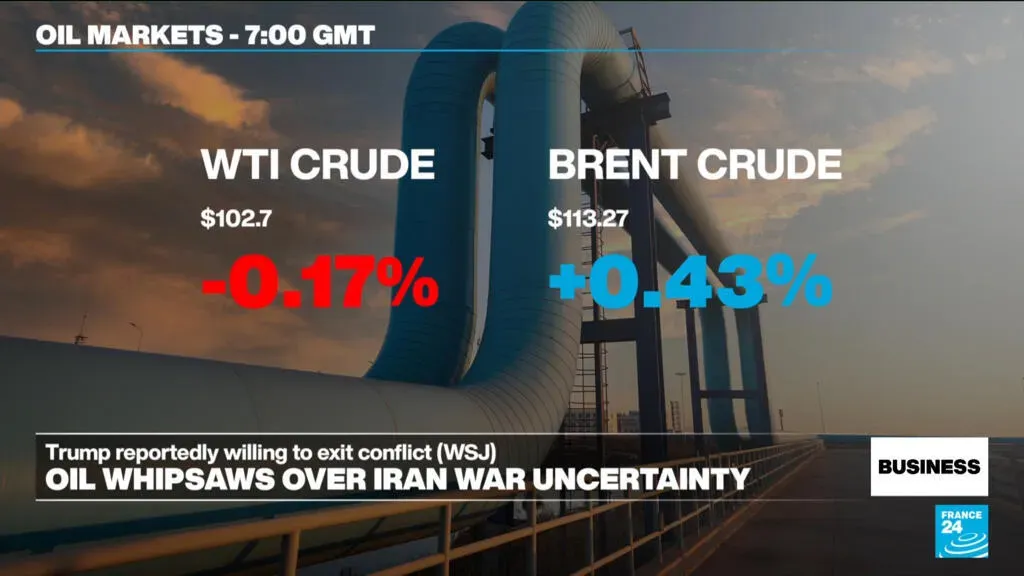
Iranian military drones struck a merchant tanker near Dubai forcing international shipping companies to reroute vessels away from the Strait of Hormuz. On March 31, 2026, the tanker strikes pushed the Gulf security story directly into global fuel markets. Security officials confirmed the attack occurred in the early morning hours, marking a meaningful escalation in the ongoing maritime conflict. Reports from the region indicate the vessel sustained hull damage but remained afloat as crew members worked to contain a small fire. $4 per gallon became the new reality for American motorists shortly after the news broke, as fuel futures climbed in response to the volatility.
Defense personnel identified a separate strike on a Kuwaiti oil tanker later that same afternoon. Washington dispatched naval assets to the area to monitor the situation, yet the persistent nature of these strikes suggests a coordinated effort to disrupt energy flows. Petroleum traders reacted with immediate sell-offs followed by aggressive buying, creating a whipsaw effect in global markets. Energy analysts noted that the simultaneous targeting of ships near Dubai and Kuwait is a tactical expansion of the conflict zone.
Iranian Drone Attacks Target Persian Gulf Shipping
Attacks on civilian infrastructure now extend beyond the sea to include essential land-based utilities. Iranian forces reportedly targeted a desalination plant on the coast, threatening the water security of regional populations. Water scarcity concerns added a new layer of complexity to an already fragile humanitarian situation. Coastal residents in the United Arab Emirates reported hearing explosions as local defense systems attempted to intercept incoming projectiles. Emergency services in Dubai remained on high alert throughout the day.
Global logistics chains are already feeling the strain of these persistent maritime threats. Major shipping firms have suspended operations through the Strait of Hormuz, opting instead for longer and more expensive routes around the Cape of Good Hope. Insurance premiums for tankers operating in the Persian Gulf have tripled in the last twenty-four hours. Port authorities in Kuwait reported a serious backlog of vessels waiting for naval escorts that may never arrive. Delays in crude delivery are expected to impact refineries in Asia and Europe within the next two weeks.
Gasoline prices in the United States surged past the psychological barrier of $4 on March 31, 2026. Domestic political pressure is mounting on the administration to provide a definitive response to the disruption. Economists warn that sustained high energy costs could stifle the fragile recovery of the manufacturing sector. Consumer spending data suggests a shift in behavior as families prioritize fuel costs over discretionary purchases. Logistics companies are already implementing fuel surcharges that will likely be passed on to consumers by the end of the quarter.
White House Threatens Iranian Energy Infrastructure
Defense Secretary Pete Hegseth and Air Force General Dan Caine held a joint news briefing to address the deteriorating security situation. Hegseth emphasized that the United States maintains the capability to protect its interests in international waters. Caine provided technical details regarding the drone models used in the Dubai attack, identifying them as long-range loitering munitions. Military officials refused to rule out direct kinetic action against the launch sites located within Iranian territory. The briefing concluded with a stern warning regarding the safety of international commerce.
President Trump on Monday renewed his calls to attack Iranian civilian energy and water infrastructure if no deal is reached to end the war.
White House officials signaled a readiness to target Iranian energy and water infrastructure if the blockade of the Strait of Hormuz continues. Trump stated that the United States would obliterate the production capacity of the Iranian energy sector. This rhetoric has caused deep divisions within the international community regarding the legality of striking civilian utilities. Diplomacy remains stalled as both sides refuse to enter negotiations without meaningful preconditions. The administration maintains that all options are on the table to ensure the free flow of oil.
Logistics Chains Buckle Under Maritime Security Threats
Maritime security firms are advising clients to avoid the region entirely until a formal escort system is established. Private security contractors have seen a surge in inquiries from shipping companies looking to harden their vessels against drone strikes. Installing electronic jamming equipment and reinforced netting have become a priority for fleet managers. These additional security measures further increase the operational costs of moving crude oil. Smaller shipping companies may be forced out of the market if these conditions persist for more than a month.
Refining capacity in the Gulf Coast region is also under scrutiny as imports of heavy crude from the Middle East dwindle. Engineers are working to recalibrate facilities to handle domestic light sweet crude, but the transition is neither quick nor cheap. Shortages of specific fuel blends could lead to localized stockouts at gas stations in the coming weeks. Industry groups are calling for a temporary suspension of the federal gas tax to provide immediate relief to motorists. Political gridlock in Washington makes such a move unlikely in the near term.
Iranian officials have denied direct responsibility for the latest round of tanker attacks. They instead point to regional proxy groups acting independently of Tehran. Western intelligence agencies dismissed these claims, citing satellite imagery of drone launch sites within Iranian borders. Evidence of state sponsorship is being compiled for presentation to the United Nations Security Council. Previous attempts to sanction the Iranian energy sector have had limited success in curbing its military ambitions. $11 billion in estimated damage to regional shipping has already been recorded this year.
Energy Shock Beyond the Gulf
The tanker attacks matter because they connect a local maritime threat to household costs abroad. Fuel prices can move faster than diplomatic statements, especially when traders see multiple vessels at risk.
Washington’s response will be judged by whether it lowers risk or adds another escalation channel. For drivers, the policy debate is already visible at the pump.