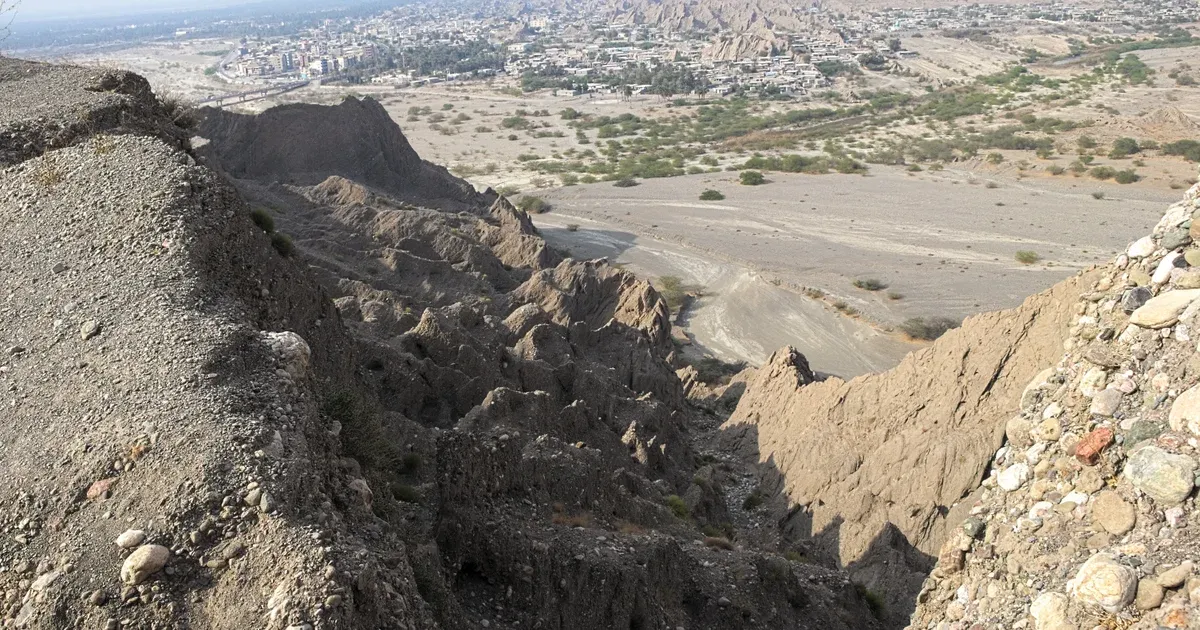
The mourning in Minab has turned a battlefield event into a civilian accountability test. Families gathering for the 168 victims are asking whether any military objective can justify the destruction of a school.
The memorials came as Iranian officials pressed for international scrutiny of the strike. By April 8, 2026, the case had become part of a wider argument over targeting, civilian protection and the limits of force in the Iran conflict.
Memorial Services Across Hormozgan Province and Minab
Mourners throughout the region organized parallel ceremonies to show solidarity with the victims of the school attack. In Bandar Abbas, the provincial capital, several thousand people gathered at the central mosque to offer prayers for the souls of the children. Tehran sent high-level representatives to lead these gatherings, emphasizing the national significance of the tragedy. Most attendees wore traditional black attire, creating a somber visual contrast against the blue waters of the Persian Gulf. Religious leaders spoke about the sanctity of life and the inherent rights of students to seek knowledge without fear of military intervention.
Individual families held private vigils at the local cemetery where most of the victims are buried in a dedicated section. Small toys, notebooks, and dried flowers covered the marble headstones of the younger girls. Security remained tight throughout the day as local police monitored the large crowds to prevent any secondary incidents. Each grave tells a story of an interrupted future and a family shattered by a single moment of kinetic force. Witnesses described the day of the strike as a flash that turned a sunny afternoon into an ash-filled nightmare. Many survivors still suffer from respiratory issues and psychological trauma caused by the blast and subsequent structural collapse.
Forensic Details of the Minab School Strike
Satellite imagery from the time of the event showed no military assets within the immediate vicinity of the educational district. Local school administrators confirmed that the facility was operating at full capacity when the strike occurred. Classrooms were filled with students participating in mathematics and literature exams. Survivors recounted hearing a distant whistle followed by a deafening roar that brought the ceilings down upon them. Initial rescue efforts faced severe challenges due to the intensity of the fires and the instability of the remaining walls. Emergency crews from nearby towns rushed to the scene but found few survivors in the center of the blast zone.
"The recovery of personal items from the rubble continues to haunt this community," said a spokesperson for the Minab emergency services bureau.
Washington Weighs Responsibility for Minab School Strike
Official statements from the Pentagon initially categorized the incident as a tragic error resulting from faulty intelligence. Military investigators suggested that a sensor malfunction might have misidentified the school as a storage facility for insurgent hardware. Still, these explanations provided little comfort to the grieving families in Hormozgan. Internal memos leaked to the press indicated a breakdown in the chain of command regarding target verification protocols. Critics argue that the rules of engagement failed to provide adequate safeguards for known civilian infrastructure. Pressure from international human rights organizations has forced a re-examination of the data used to authorize the mission.
Diplomatic tension between Tehran and Washington spiked immediately following the confirmation of the civilian death toll. Iranian diplomats at the United Nations demanded a full tribunal to investigate the strike as a potential war crime. Washington resisted calls for an international inquiry, opting instead for an internal military review process. Preliminary findings from that review suggested that operational speed was prioritized over target confirmation. While some military personnel faced administrative reassignment, no criminal charges have been filed to date. This administrative response triggered widespread criticism from legal scholars who advocate for greater accountability in aerial warfare.
The impact on regional security dynamics continues to unfold as neighboring nations react to the Minab tragedy. Several Gulf states expressed formal condolences while privately raising concerns about the risks of high-altitude drone operations. Security analysts believe the event has hardened public opinion against foreign military presence in the region. Political movements in several Middle Eastern capitals used the anniversary to mobilize support for new oversight mechanisms. Tehran increased its rhetoric regarding self-defense and the necessity of advanced air defense systems to protect its domestic airspace. Every commemorative event serves to solidify the collective memory of the strike as a defining grievance.
Educational enrollment in the Minab district saw a temporary decline as parents feared sending their children to school. Provincial authorities worked to rebuild confidence by constructing new facilities with enhanced safety features. These new buildings include reinforced stairwells and clearly marked emergency exits, though many residents feel these measures are insufficient against modern weaponry. Rebuilding the school itself has been slow due to the complexity of the site and the desire to preserve part of the ruins as a permanent memorial. Local artists have proposed a monument that incorporates the original twisted rebar into a sculpture of a rising phoenix. The cost of the tragedy extends far beyond the financial burden of reconstruction.
Accountability Matters Beyond Memorials
Memorials can preserve the names of the dead, but they cannot answer the operational questions alone. Investigators would still need targeting records, intelligence assessments and a clear account of who approved the strike.
That is why the Minab case will outlast the immediate news cycle. If governments want their claims about precision and restraint to be believed, civilian casualties have to be examined with more than ceremonial regret.