Israel and U.S. forces entered another phase of the Iran conflict after a month of heavy combat. The existing account placed the latest escalation on March 29, 2026, with coordinated strikes, expanding proxy involvement and conflict monitors reporting thousands of military events.
The headline number is the reported ACLED count of 3,088 attacks between February 28 and March 26. That figure should be read as a conflict-intensity measure, not a simple scoreboard. It includes different kinds of events across a widening theater.
The more important point is direction: the war is not narrowing cleanly.
Strike Counts Show Scale
A high strike count suggests sustained operational tempo. Airstrikes, missile launches, drone attacks and related events can stretch air defense, intelligence, logistics and civilian protection systems. For Israel and the United States, continued strikes may be intended to degrade Iranian military capacity. For Iran and aligned groups, surviving and responding can become part of the strategic message.
That dynamic makes the conflict harder to end through one dramatic announcement.
Houthi Involvement Widens the Map
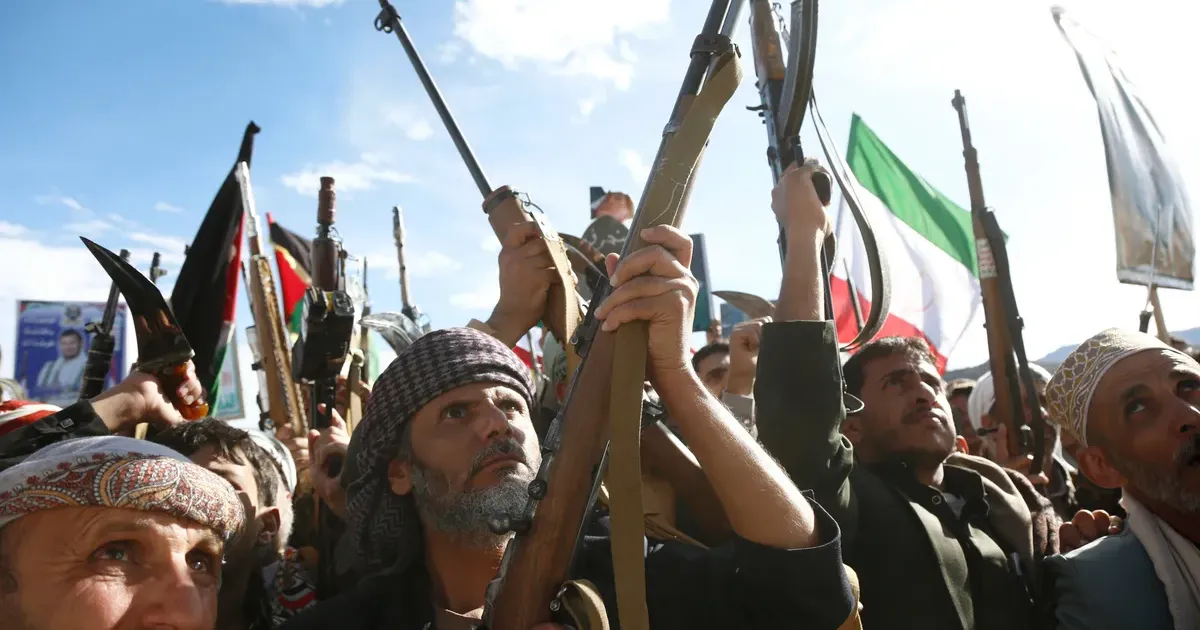
Houthi missile activity toward Israel, also reflected in prior coverage of long-range Houthi attacks, shows how the conflict extends beyond Iran's borders. Yemen-based actors can pressure shipping lanes, air defenses and regional alliances without matching U.S. or Israeli conventional power.
That creates a multi-front problem. Even if one theater quiets temporarily, another can generate risk and force military planners to spread attention. Proxy involvement also complicates diplomacy because a ceasefire with one actor may not bind every armed group.
Leadership Claims Need Caution
The V1 material included severe claims about Iran's senior leadership. In a live war environment, such claims require high confidence, attribution and confirmation. This V2 version avoids treating unverified leadership-death claims as established fact. That caution is not cosmetic. False certainty in wartime can mislead readers, inflame rhetoric and distort diplomatic expectations. If leadership changes are confirmed, they should be reported with sourcing and consequences.
Until then, the verified story is escalation, strike volume and expanding participation.
Ending the War Requires More Than Tempo
President Trump's claim that the conflict is nearing its end sits uneasily beside the evidence of regional widening. Wars can end suddenly, but they usually require channels, incentives and a shared understanding of what each side can accept.
Heavy strike tempo can create pressure, but pressure does not automatically produce settlement. It can also harden positions, deepen retaliation cycles and make civilian harm more likely. The editorial read is that the first month has produced a dangerous pattern: high operational activity, wider proxy involvement and political claims of progress that are difficult to verify. The next phase will show whether the combat tempo is a bridge to negotiation or a sign that the war is becoming harder to contain. Civilian risk remains the measure that cannot be reduced to strike totals. The more fronts involved, the harder it becomes to protect people far from command centers and launch sites. Energy infrastructure, ports, roads and urban neighborhoods can become vulnerable even when planners describe attacks as precise. Any assessment of the conflict's first month has to weigh military objectives against the growing danger to noncombatants.
Regional diplomacy becomes harder as the map widens. Gulf states, European governments and international organizations may support de-escalation in principle while disagreeing on sequencing, guarantees and who must stop first. Each new missile launch or strike can reset those discussions.
Houthi involvement is especially difficult because it connects the Iran conflict to Red Sea security and shipping concerns. Even countries not directly involved in the fighting have economic reasons to worry if trade routes become more dangerous or expensive. The first month has therefore produced more than battlefield data. It has created a political environment in which every actor must decide whether to contain the war, exploit it or prepare for a longer regional crisis.
Command-and-control strain is another risk. Sustained operations require intelligence updates, target review, pilot and drone availability, munition stocks and political approval. The longer the tempo remains high, the more chances there are for error, misidentification or escalation based on incomplete information.
That is why claims that the war is nearly over require evidence beyond official confidence. Observers need to see reduced strike volume, fewer proxy launches, functioning communication channels and signs that each side has a reason to stop. Without those indicators, optimism can become another form of messaging. Civilian protection should remain central to any assessment of the next phase. High strike counts can sound abstract, but each event carries the possibility of misfire, bad intelligence or damage beyond the intended target. The more actors involved, the harder accountability becomes. That is why independent monitoring and careful sourcing matter as much as official battlefield claims. The war's information environment is also part of the conflict. Governments release selective claims, armed groups use attacks for signaling and outside monitors work with incomplete data. Readers need a framework that weighs all three, rather than treating the loudest statement as the most reliable one. That discipline is essential when the stakes include civilian harm and regional escalation. The danger is that a prolonged campaign can normalize extraordinary violence. Once daily strike counts become routine, the public may stop registering the scale of risk. That is when careful reporting becomes even more important. That applies to casualty reports, strike claims and leadership rumors. If the conflict continues to widen, the difference between confirmed fact and wartime messaging will become even more important for readers trying to understand what is actually changing.