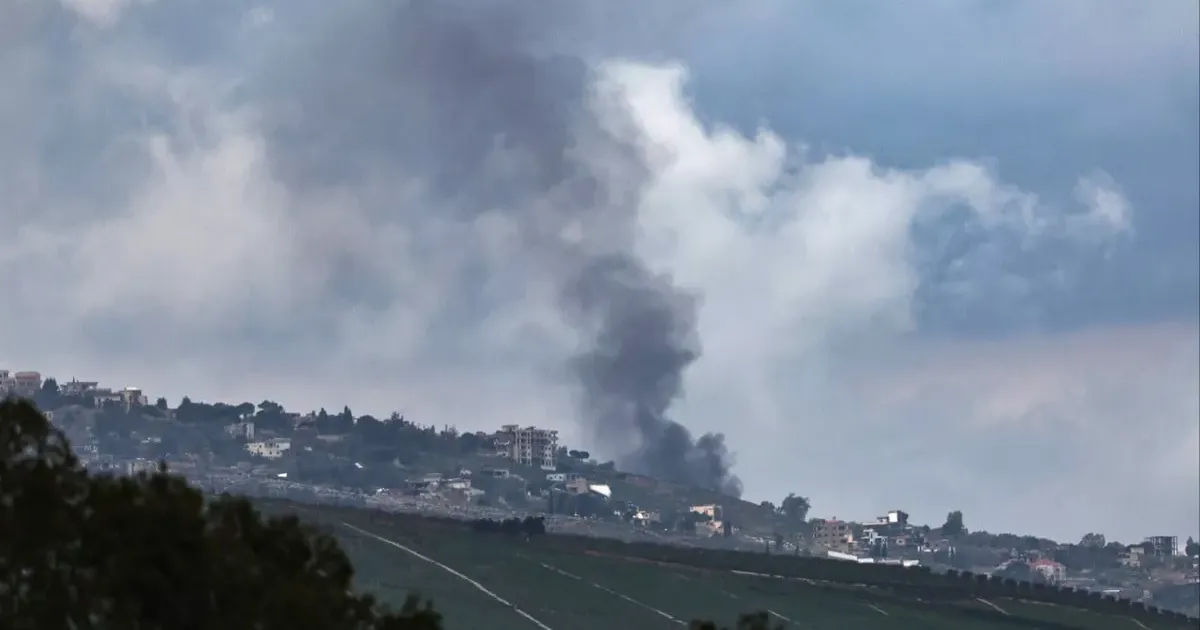
An Israeli envoy's peace pledge landed against the harder reality of a rocket death in the north. Officials can speak about de-escalation, but residents judge security by whether the next siren comes and whether shelters still feel necessary. An Israeli envoy used peace language while a rocket attack killed a northern resident. That contrast made the peace pledge sound less like a diplomatic line and more like a test of credibility under fire. The contrast exposes the gap between diplomatic messaging and battlefield reality. Northern communities will judge policy by security conditions, not statements. The incident could harden public demands for retaliation or stronger defenses. The death in the north gives opponents of restraint a simple argument. Diplomats can still defend de-escalation, but they need visible protection on the ground or peace language will sound detached from the people under fire. For northern communities, the next measure is not diplomatic tone. It is whether shelters, warnings and defenses make daily life feel any less exposed. The peace pledge now has to answer a brutal public question: what protection can residents see after a death on their own side of the border? The political danger is that grief compresses the debate. Once a resident is killed, calls for retaliation become easier to make and harder to resist, even if diplomats believe a wider exchange would leave the same communities more exposed.
The rocket death gives opponents of restraint a powerful argument, while diplomats will warn that retaliation can widen the conflict. The central tension is whether public grief leaves any room for negotiation. If leaders cannot connect security promises to visible protection, peace language will struggle to survive the next attack.
That is why the pledge now has to meet the reality on the border. Protection now has to become visible, not rhetorical.
The death in the north makes peace language harder to defend. Diplomats can argue that restraint prevents a wider war, but residents under fire will ask what restraint has delivered in protection. The envoy's pledge will matter only if it is followed by security that people can see.
The diplomatic cost is that each rocket death makes restraint harder to explain. Leaders can still argue that escalation would bring more danger, but communities under fire will ask what peace language has delivered in practical protection. That is the gap the envoy has to close.
The death in the north gives hard-liners a simple argument: peace language did not stop the rocket. Diplomats can still argue that escalation would make civilians less safe, but they will need visible security gains to keep that argument from sounding detached from the ground.
The rocket death gives the peace pledge a harsher test than any diplomatic briefing. Northern residents will measure the envoy's words against shelters, sirens and whether the next attack is stopped. If protection feels theoretical, restraint becomes harder to defend in public.
Security Stakes
The envoy's peace language now has to survive grief and anger in the north. A rocket death gives critics of restraint a simple argument, while diplomats will warn that retaliation can widen the conflict. The only way the pledge holds is if residents see protection, not only statements.
Regional Stakes
The envoy's language will be judged against the next siren, not the next statement. Peace pledges have little force if residents believe protection is still theoretical.