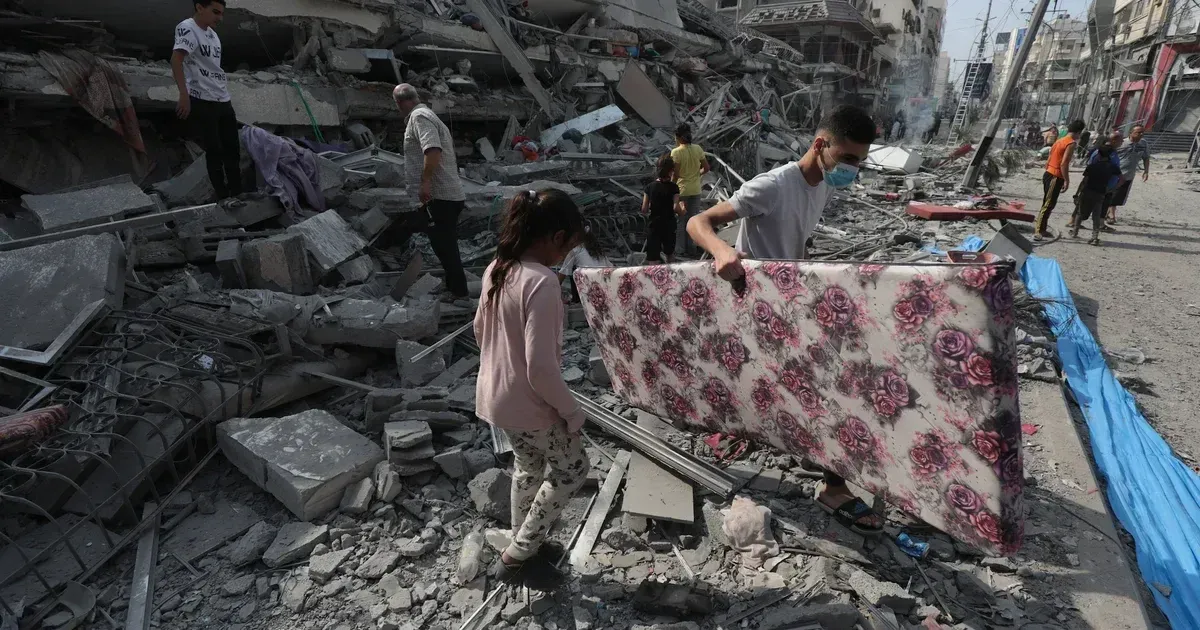
Israeli military forces targeted a community kitchen in Gaza, a facility specifically established to provide meals for residents displaced by the ongoing conflict. Fatalities included three humanitarian workers who were inside the building at the time of the blast. The strike occurred on May 17, 2026, marking a sharp escalation in the risks faced by aid personnel operating within the enclave. Reports indicate that several other individuals sustained injuries as the explosion destroyed food preparation equipment and critical supply stores.
Displacement in Gaza has reached a scale where thousands of families rely exclusively on these localized distribution points for daily nutrition. This kitchen functioned as a primary resource for families living in temporary shelters, many of whom have been forced to move multiple times. Al Jazeera reported that the three staff members were among five killed in the latest series of airstrikes. Local sources confirmed that the workers were in the process of preparing a midday meal when the munitions struck the cooking area.
Community kitchens are the last line of defense against starvation for thousands.
Airstrikes have impacted several sites across the territory, raising new questions about the safety of civilian infrastructure during active military campaigns. Records maintained since last year suggest that the humanitarian environment has become increasingly lethal for those on the front lines of relief efforts. The total number of Palestinian deaths since the implementation of a so-called ceasefire last year has reached 871, according to data documented by Al Jazeera. Hostilities have persisted throughout the territory despite diplomatic efforts intended to secure a lasting pause in fighting.
Three community kitchen workers were among five people killed by Israeli strikes in Gaza.
Relief agencies maintain that kitchens and other aid facilities are protected under international humanitarian law. Logistics for food distribution already face severe constraints at border crossings, making the loss of local preparation sites a direct blow to the survival of displaced populations. Medical teams in Gaza reported that the wounded from the kitchen strike required urgent transport to hospitals that are already operating beyond their capacity. Many of the injured are currently receiving treatment for shrapnel wounds and severe burns. The loss of food infrastructure further compounds the ongoing crisis of displacement in Gaza for thousands of families.
Impacts on Food Distribution and Displacement
Food security in the region stays in a state of crisis as military operations continue to affect supply chains. The destruction of this kitchen removes an essential link in the distribution network that serves the most vulnerable residents. Israeli operations have targeted areas where displacement camps are most densely populated, according to local reports. This environment makes the delivery of hot meals a dangerous necessity for NGOs attempting to prevent widespread malnutrition. Workers often operate in shifts to ensure food is ready despite the threat of overhead surveillance and incoming fire.
Records from the site show that the kitchen was serving hundreds of families daily before the incident. Witnesses reported that the impact was centered directly on the kitchen structure, causing it to collapse onto the staff and the food they were preparing. Israeli forces have not yet provided a detailed justification for the strike on this specific humanitarian location. Security for aid workers remains a primary concern for international observers who are monitoring the casualty rates among non-combatants.
Escalating Death Toll Since the Ceasefire
The figure of 871 deaths recorded since the start of the ceasefire highlights the persistent level of violence in the region. Al Jazeera reporting emphasizes that this tally includes a high percentage of individuals involved in humanitarian and medical services. Diplomatic frameworks established last year were intended to provide a window for aid delivery, yet the daily reality for many Palestinians involves navigating active combat zones. Data show that the frequency of strikes on urban centers has not diminished in recent months.
Conflict fatalities have climbed steadily as the military maintains its presence in both northern and southern Gaza. International organizations have called for an immediate investigation into the targeting of the kitchen to determine if deconfliction protocols were followed. Security for relief workers is currently at its lowest point since the beginning of the year. Three workers killed on Sunday represent a growing list of aid staff who have died while performing essential duties. Statistics from the current month indicate that civilian casualties show no signs of slowing down.
Aid Worker Protection Risk
Targeting recognized food distribution sites creates a specific type of security crisis that extends beyond immediate death counts. If humanitarian actors cannot rely on the safety of their kitchens, the entire relief framework in Gaza faces a potential shutdown. The environment forces non-governmental organizations to choose between the safety of their personnel and the survival of the populations they serve. Military authorities often cite tactical necessity in these instances, yet the outcome is a measurable increase in civilian vulnerability and a decrease in international support for ongoing operations.
Without a functional deconfliction mechanism that command centers actually respect, the risk of incidental strikes on protected personnel stays high. Future diplomatic efforts must address these protection gaps to prevent the total erosion of the current aid architecture. The loss of three workers in a single kitchen strike is a data point for the deteriorating safety conditions on the ground. Military command structures must reconcile tactical objectives with the protection of recognized relief sites to avoid further humanitarian fallout. Aid groups will seek clearer guarantees.