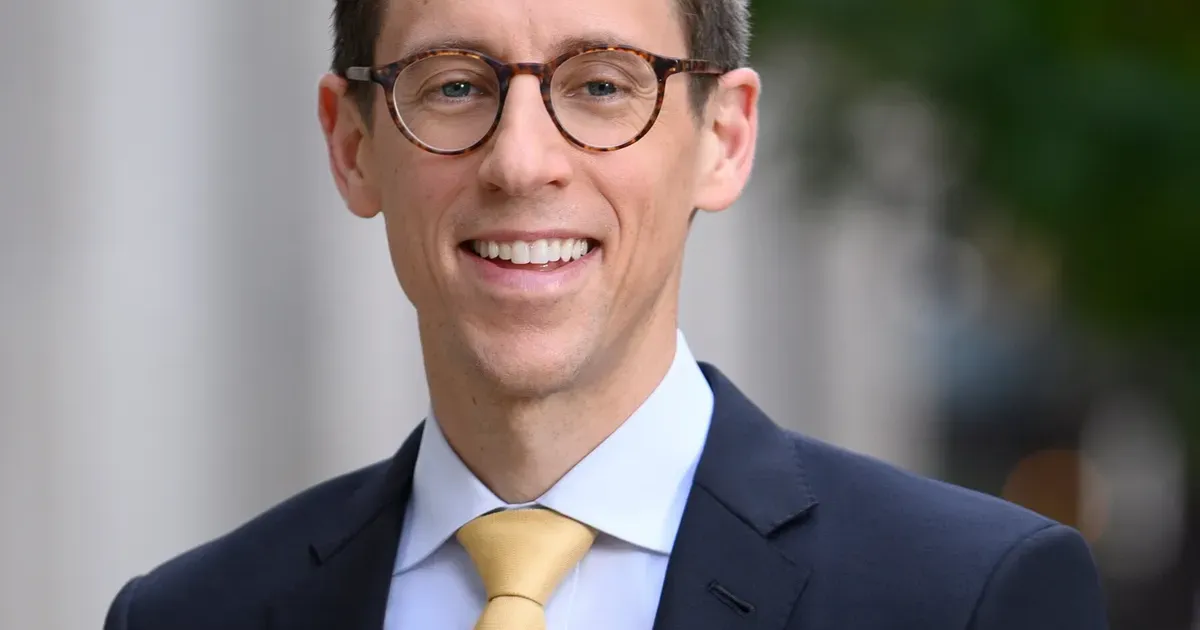
Jonathan Greenberger's move to Politico global editor-in-chief marked more than a personnel change at a Washington media brand. It put day-to-day newsroom authority in the hands of an internal executive at the moment Politico is trying to remain fast, expand globally and operate inside Axel Springer's larger corporate strategy.
Greenberger was named to the role effective May 1, succeeding co-founder John Harris, who moved into the role of chairman. That handoff is significant because Politico was built as an insurgent Washington publication in 2007, when Harris and Jim VandeHei turned process, power and policy minutiae into a daily information product for political insiders.
The Founder Era Did Not Simply End
Harris becoming chairman gives Politico institutional memory without leaving the newsroom formally frozen under founder control. That can help if the handoff is orderly. It can also create tension if staff are unsure where authority really sits when a major political story breaks or when the newsroom has to choose between speed, depth and risk.
Successful transitions require more than a memo. Reporters and editors need to know who sets priorities, who protects aggressive reporting and who decides when a story is ready. Politico's value has always come from being early, incisive and close to power. The danger is that a mature organization can keep the logo while sanding down the reflex that made the brand valuable.
Greenberger Is A Cross-Platform Operator
Greenberger joined Politico in 2024 as an executive vice president after a long run at ABC News, including senior Washington and program leadership roles. His background is not that of a pure print editor or a pure digital disruptor. It is closer to the modern cross-platform news executive: broadcast experience, political coverage, audience strategy and business awareness in the same portfolio.
That is important because Politico is no longer one Washington newsroom with one rhythm. It has Politico Pro, newsletters, events, European operations and a premium-subscriber base that expects both speed and specialized authority. The editor-in-chief has to protect reporting culture while making the organization work at a scale the original startup did not have to manage.
Axel Springer Wants A Global Machine
Axel Springer bought Politico in 2021 and has a clear incentive to make the brand more global and more operationally coherent. The company wants growth across policy verticals, international coverage, events and paid products. Politico's business depends on influential readers believing that its information is early enough to matter and reliable enough to pay for.
That balance is difficult. Too much corporate polish can make the product feel slower and more cautious. Too much startup chaos can make a global newsroom difficult to run, especially when premium subscribers are paying for accuracy, depth and access. Greenberger's job is to make scale feel like capability instead of bureaucracy.
The AI And Independence Questions Are Now Real
The leadership change also arrived as Politico and other newsrooms faced pressure to experiment with AI tools, transcription systems, workflow automation and new products. Under Axel Springer, that pressure is unlikely to disappear. The issue is not whether the newsroom should use technology. It is whether technology is introduced with enough transparency, accuracy controls and labor trust to avoid damaging the reporting product it is supposed to help.
There is also a broader independence question around ownership, corporate principles and editorial perception. Politico covers the same power centers that buy its premium products, speak at its events and care intensely about its framing. That does not make rigorous journalism impossible. It makes governance and newsroom confidence essential.
The test for Greenberger is whether Politico can professionalize without becoming cautious. If he preserves the reporting bite while improving global coordination, the appointment can mark a more effective phase for the brand. If the newsroom becomes another polished institution that reacts after the conversation has moved, the transition will look like the moment the old edge became a design asset rather than a newsroom habit.