A federal judge blocked the Trump administration's attempt to push Anthropic out of government AI procurement. The ruling matters because government pressure on AI vendors can shape procurement far beyond one contract. On March 27, 2026, US District Judge Rita Lin framed the blacklist fight around speech, security claims and the limits of executive retaliation.
Rita Lin Blocks Procurement Blacklist
Judge Lin said the government could not use national-security designations as a shortcut around ordinary legal limits. Federal agencies are barred from implementing the procurement ban while the case proceeds, giving Anthropic time to challenge whether the executive branch acted lawfully.
The ruling arrived as Anthropic was also dealing with a separate security problem. A configuration error reportedly exposed internal materials tied to future product planning, event lists and unpublished communications. The leak does not decide the procurement case, but it gives critics another opening to question operational discipline.
Claude Mythos Leak Exposes Internal Strategy
The leak appears to reveal more than marketing drafts. It gives competitors and customers a glimpse into how Anthropic is positioning future Claude products for enterprise clients. The company is reviewing security protocols, but the damage from this kind of exposure is often reputational as much as technical.
Technical details in the exposed material suggest that the next Claude release focuses on long-context reliability and reduced hallucination in complex work. Those claims still need public testing. Until the model is released and benchmarked outside a controlled early-access setting, the leak should be treated as a preview rather than proof.
Economic Impact of Model Pricing Shifts
OpenAI has leaned into aggressive price reductions for smaller models, while Anthropic appears more focused on premium enterprise use cases. That split matters for developers who need predictable costs. A new Claude release could force another pricing response across the sector, especially if it performs well in legal, scientific or enterprise analysis.
Reports about a model titled Claude Mythos have fueled speculation about Anthropic's release schedule. Draft materials described it as a significant performance step, but the company has not provided a firm public launch date. That uncertainty is why customers and investors are watching both the leak response and the court case.
Anthropic Claims Model Performance Step Change
Anthropic's leaked material points toward larger context windows, stronger synthesis and safety alignment as selling points. Those claims fit the company's brand, but they still have to survive real customer use. Enterprise buyers will judge the model by reliability, cost and compliance rather than launch language.
The legal battle with the Department of War could not have arrived at a more sensitive time. A federal blacklist would threaten government contracts and unsettle private partners. Investors are watching whether Anthropic can preserve independence while staying eligible for high-value public-sector work.
AI Procurement Stakes
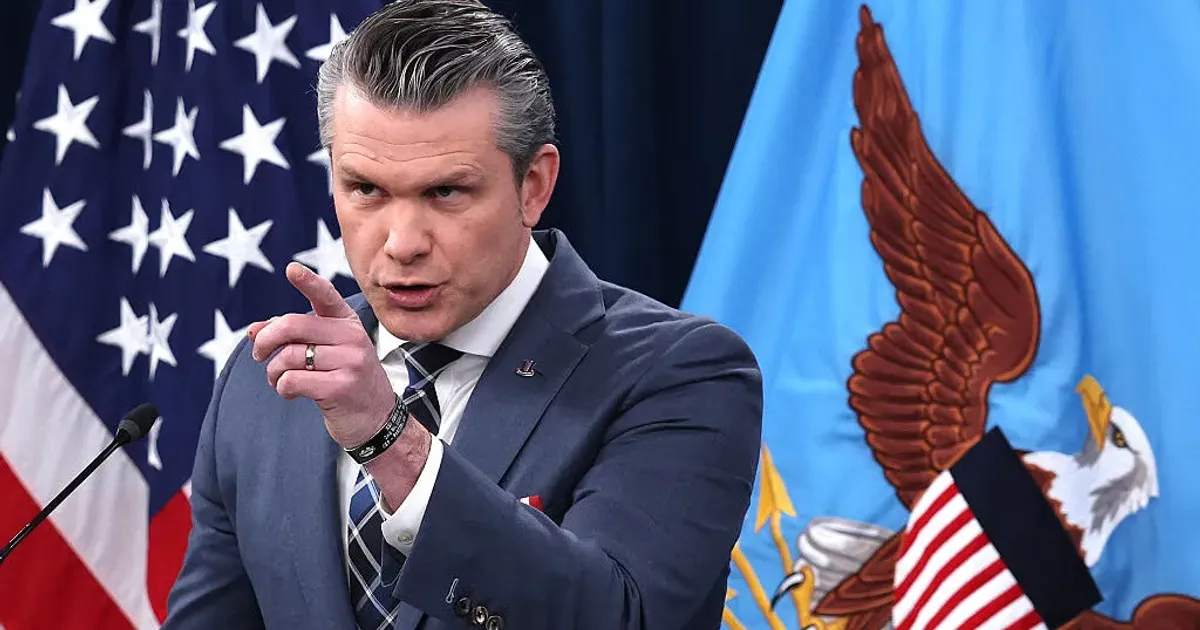
Questioning the sanity of a defense department that declares war on its own technological forefront seems overdue. The attempt by Pete Hegseth and the Trump administration to blacklist Anthropic is a clumsy display of authoritarian theater. It is not about security; it is about subservience. When the state begins labeling domestic software firms as supply-chain risks because their press releases are too spicy, we have moved from governance into a protection racket. The behavior is reminiscent of a decaying regime trying to break the will of an industry it cannot control through innovation.
Anthropic, for all its flaws and CMS blunders, is a necessary counterweight to the homogenization of the AI sector. The Claude Mythos leak, while embarrassing, is a corporate mishap. The Department of War's attempt to use the legal system to crush a competitor is a systemic threat to the rule of law. If the administration succeeds in weaponizing procurement bans against companies it dislikes, the American tech sector will soon resemble the stagnant, state directed industries of the rivals it claims to fear. Judge Lin's injunction is a temporary reprieve, but the appetite for bureaucratic vengeance in Washington remains high. Investors should expect more of these skirmishes as the line between national security and political vanity continues to blur.