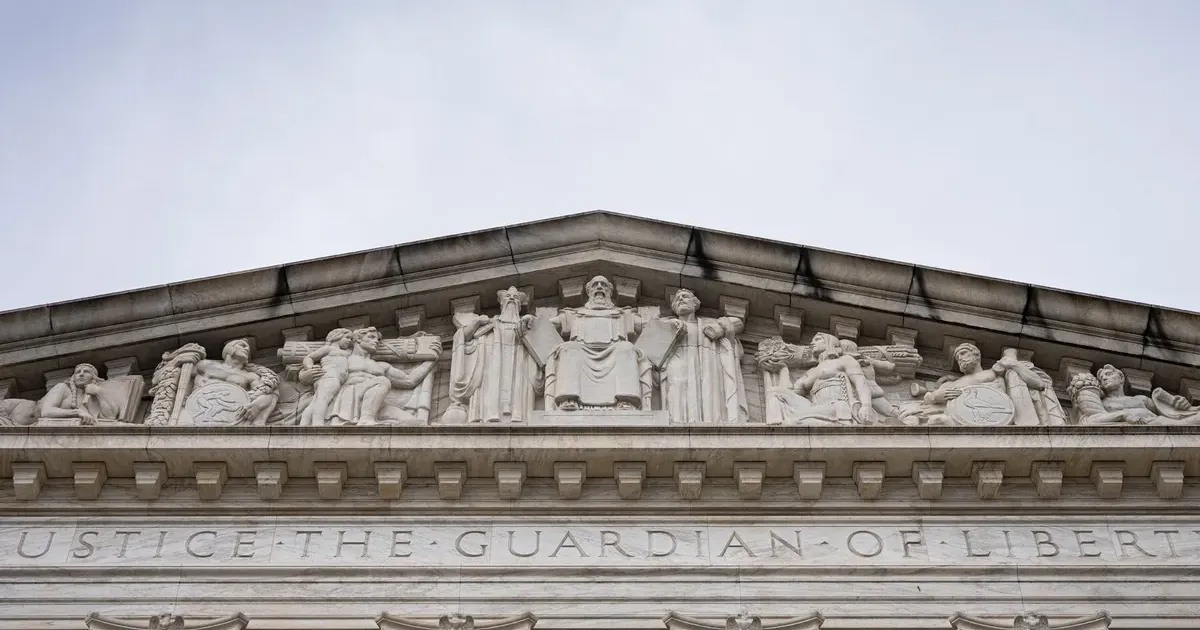
The fight over post-election day ballots gives the Supreme Court another chance to shape how states balance access, deadlines and administrative certainty. Ballot rules become combustible because small procedural choices can look like partisan advantage after a close race. Judges will have to decide whether late-arriving ballots reflect voter access, state flexibility or a deadline problem that weakens confidence in results. The legal stakes are high because a ruling can affect future contests before voters ever cast a ballot. Post-election day ballots were at the center of a Supreme Court review over voter deadlines. Election offices need clear rules that can be explained before voting begins, not litigated afterward. The justices are weighing whether post-Election Day ballots can remain valid under timing rules. The case could change how states balance mail delays, voter access and finality. Election administrators need rules that voters can understand before ballots are cast. A narrow ruling could still reshape close races. The deadline question has to be settled before ballots are cast, not after a close count. If campaigns believe the rule can move after election day, litigation becomes part of strategy and public confidence pays the price. The Court's ruling will matter most if it gives election offices a rule they can apply before pressure arrives. Ambiguity after voting is the real danger. Election offices need a rule that can be explained before voting starts, because uncertainty after election day invites litigation and distrust. Election offices need certainty before ballots move. A rule clarified only after a close count is already part of the political fight.
The danger is that uncertainty around deadlines becomes part of campaign strategy instead of election administration.
The justices are weighing whether post-Election Day ballots can remain valid under timing rules.
Legal Stakes
The legal stakes are high because ballot deadlines sit at the intersection of voter access and administrative certainty. States need clear cutoff rules to certify elections, but voters and postal systems do not always move on the same timeline.
A ruling that disqualifies more post-election day ballots could change how campaigns educate voters, how election offices process mail and how courts handle disputes in close races. The practical effect may fall hardest on voters who rely on mail because of age, disability, military service or distance from polling places.
The justices also have to consider whether federal courts should impose a uniform reading on a system traditionally run by states. That federalism question could shape election litigation well beyond the specific ballots at issue.
The court also has to consider administrative clarity. Election workers need rules that can be applied quickly under pressure, not standards that require legal interpretation after every close race. Voters need the same clarity before they mail a ballot.
A ruling that sounds technical could still change campaign behavior. Parties may adjust voter education, ballot-chasing operations and litigation strategy if the deadline for counting becomes stricter.
The ballot case matters because deadline rules shape trust before the next election begins. If voters and campaigns do not know which late-arriving ballots count, litigation becomes part of strategy. The Court can clarify the line, but the damage begins when the rule feels movable after voting ends.
Legal and Political Stakes
The democracy risk is that ballot deadlines become weapons after the vote instead of rules before it. Courts can clarify the line, but uncertainty itself already damages trust.