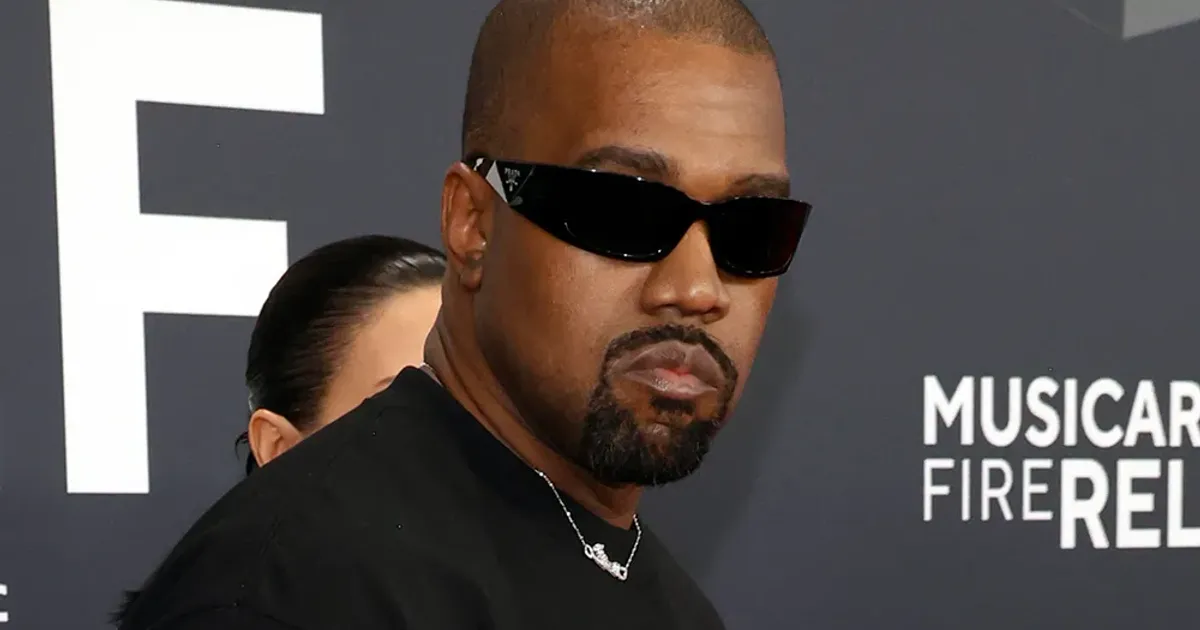
Ye is expanding his Los Angeles residency before the release of Bully, turning what first looked like a one-night spectacle into a larger test of demand and tolerance. The added SoFi Stadium dates show that the artist still commands attention even as promoters, sponsors and fans weigh the cost of proximity to controversy. The expansion followed the initial announcement and drew enough interest to justify a longer run. Promoters had confirmed the added dates by April 3, 2026. The Los Angeles setting matters because Ye has often treated the city as both a creative base and a public stage. A residency gives him control over production, pacing and mythology in a way a conventional tour cannot. It also concentrates risk. If the shows are chaotic, the story repeats for several nights in the same market.
Residency Format Gives Ye Control
A stadium residency lets the production team build a single large environment instead of moving equipment city to city. That can improve sound, lighting and rehearsal consistency. It can also make the show feel more like an installation than a concert, which suits an artist who often presents albums as public events rather than simple releases. SoFi Stadium offers scale, but scale can expose weakness. Empty sections, late starts or uneven staging become visible quickly in a building designed for spectacle. The decision to add dates suggests confidence that demand will hold, yet the execution still has to match the ambition.
Bully Becomes the Commercial Test
The timing connects the residency directly to Bully. New music gives the shows a promotional function, while the live run gives the album a physical frame. Fans who have followed Ye through delays and public ruptures may see the residency as the first real proof of the album's direction. That can help the rollout if the performances feel focused. It can hurt if the concerts become more about unpredictability than songs. Ye has always benefited from spectacle, but the current market rewards reliability more than it did during earlier eras of his career. Streaming numbers will tell one story after release. Ticket retention, resale prices and audience reaction will tell another. The residency joins those measurements into a single Los Angeles experiment.
Promoters Balance Demand and Exposure
Promoters know that Ye can still move tickets. They also know that every partnership around him carries reputational exposure. That tension shapes the residency. Security, guest management, merch, livestream rights and sponsor placement all require tighter planning than an ordinary arena run. The audience is split as well. Some fans separate the music from the controversies and want a large-scale return. Others see continued support as endorsement of behavior they reject. A residency does not settle that argument; it sells tickets inside it. The Los Angeles expansion shows that Ye remains commercially powerful, but not uncomplicated. Bully now arrives with a stadium-sized question attached: whether the show can make the music feel urgent again, or whether the surrounding noise will remain louder than the work. The business side is equally important. A residency can lower some touring costs while raising the value of each performance through scarcity. If fans believe Los Angeles is the only place to see the new era properly staged, travel demand and resale attention can become part of the marketing.
That strategy also depends on discipline. Ye has often turned rollouts into open-ended dramas, with shifting track lists, delayed releases and public conflicts. A stadium residency leaves less room for that kind of improvisation because thousands of workers, ticket buyers and vendors are tied to fixed nights.
The shows may also function as a listening room for unfinished or newly released material. That can build excitement if songs sound ready. It can damage confidence if the audience feels invited into a rehearsal rather than a completed artistic statement.
Los Angeles crowds will bring their own expectations. They are used to celebrity guests, elaborate staging and high-production moments. A stripped-down event could work if it feels intentional, but a thin show in a large stadium would be judged harshly.
The residency therefore sits between comeback, album promotion and stress test. Ye has the audience to make it commercially viable. The harder question is whether he has the focus to make the expansion feel earned.
The residency will also test whether the audience wants a finished narrative or is still willing to participate in a volatile rollout. Earlier Ye eras benefited from a sense that fans were watching the work change in public. That can be exciting when the music feels strong and draining when the uncertainty feels like the product.
For Los Angeles, the shows are a cultural event even for people who do not attend. Traffic, security, celebrity guests and social clips will turn the residency into a citywide story. That is part of the appeal and part of the pressure.