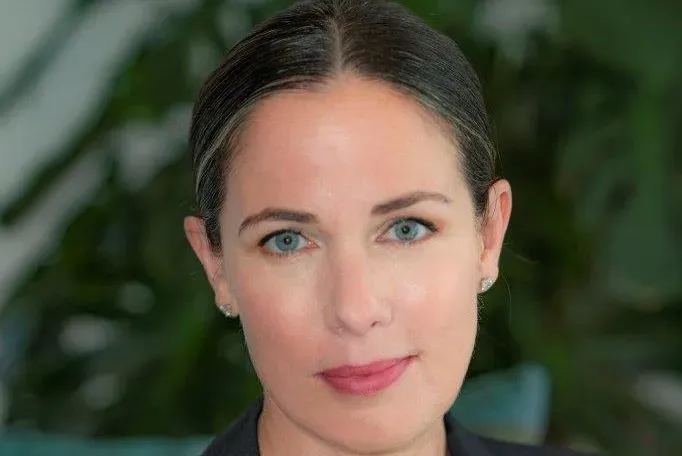
Katherine Pope’s expanded Sony role is a sign of how tight the television market has become, not just a personnel note. The development was reported March 11, 2026.
Katherine Pope’s expanded Sony role is less a personnel note than a sign of how tight the television market has become.
Sony TV Centralizes Authority
Sony Pictures Television chairman Keith Le Goy sent a clear signal regarding the studio's future leanings on Wednesday morning. He issued an internal memo confirming that Eli Holzman and Aaron Saidman, the duo responsible for the company's nonfiction output for the past four years, will depart the studio immediately. Katherine Pope, who already oversees the massive scripted television operation, will assume direct control over the unscripted division. Pope now commands one of the most significant combined portfolios in Hollywood, effectively erasing the administrative wall that previously separated high-end drama from reality competition and documentary programming. The change marks the end of an era defined by aggressive acquisition and the pursuit of unscripted dominance. Holzman and Saidman entered the Sony fold in 2022 when the Japanese-owned studio paid approximately $350 million to acquire Industrial Media. That deal was viewed at the time as a defensive move to secure legacy intellectual property like American Idol and So You Think You Can Dance. Sony wanted to insulate itself against the volatility of the scripted market by owning reliable, recurring reality hits. Yet, the friction of maintaining two distinct executive structures often slowed decision-making in an industry that now moves at the speed of social media trends. Le Goy described the departures as a move by Holzman and Saidman to pursue their next entrepreneurial venture. Such language is standard in Culver City, though it rarely captures the complex negotiations required to untangle high-level contracts. Sources close to the studio indicate that the transition has been discussed for months.
Streaming Pressure Shapes the Job
Sony management appears to favor a streamlined hierarchy where Pope can use relationships across both scripted and unscripted formats. This strategy reflects a broader industry trend where the lines between traditional genres are blurring. Pope arrived at Sony in 2022 with a reputation for sharp creative instincts and a deep understanding of the streaming environment. She previously led Spectrum Originals and held senior roles at NBC and Universal Television.
Her elevation to head of the unscripted division is more than a promotion; it is a structural shift in how Sony views its creative assets. By placing a scripted veteran at the helm of reality programming, the studio is betting that the future of unscripted content lies in narrative-driven, premium storytelling rather than low-budget filler. Success in the current market requires a delicate balance of cost-efficiency and brand recognition. Sony remains the only major Hollywood studio without its own dedicated general entertainment streaming service in the United States.
While Disney, Warner Bros. Discovery, and Paramount focus on feeding their internal platforms, Sony operates as a mercenary producer. It sells to the highest bidder. This independence allows Pope to shop projects to Netflix, Amazon, and Apple without the conflict of interest that plagues her competitors.
Creative Risk Gets More Expensive
But it also means her team must produce undeniable hits to maintain leverage. Industrial Media brought a massive library to Sony, yet the integration of that library into the larger corporate structure was not without hurdles. Holzman and Saidman are seasoned producers who understand the mechanics of reality television. They founded Intellectual Property Corporation before it was rolled into Industrial Media.
Their departure suggests they prefer the agility of an independent production house over the bureaucratic layers of a legacy studio. Sony now faces the challenge of retaining the creative talent that followed the duo into the company. Efficiency has become the primary metric for success in the mid-2020s. Rising production costs for scripted dramas have pushed many platforms to lean more heavily on unscripted content.
A single episode of a prestige sci-fi series can cost $20 million, whereas an entire season of a competition show might cost half that amount. Sony recognizes this math.
Control Is the New Studio Currency
Katherine Pope's expanded authority reflects a studio market where fewer buyers, tighter budgets and shorter patience for underperforming series make executive control more valuable than ceremonial titles. Sony does not own a general entertainment streamer in the United States, so its leverage depends on making shows that outside buyers still need.
That makes consolidation less glamorous than it sounds. It is not just an org-chart story. It is a survival move in a market where every greenlight has to justify itself faster, cheaper and with fewer excuses. Control is the new studio currency because creative risk has become too expensive to leave scattered across rival fiefdoms.