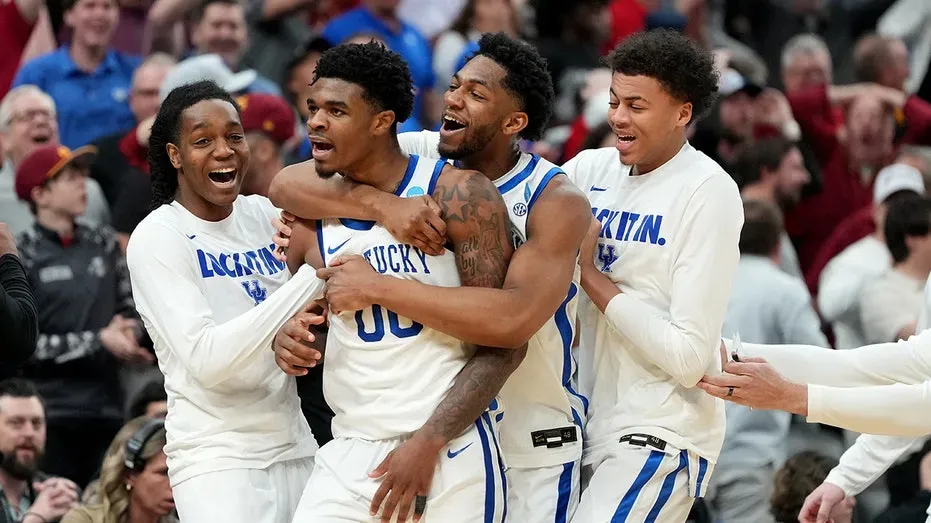
Kentucky escaped Santa Clara because one late possession changed the emotional shape of the night. Otega Oweh gave the Wildcats the kind of finish that tournament teams remember, but the final shot also exposed how thin the margin had become. The Otega Oweh buzzer beater became the defining detail of Kentucky's narrow escape. Close NCAA games often turn on spacing, clock management and whether the best player can still create when the first option breaks down. Kentucky survived Santa Clara after Otega Oweh delivered the late game-winner. The result keeps Kentucky alive but leaves questions about shot selection and defensive control.
Kentucky got that answer at the buzzer, yet the performance still leaves coaches with film to correct. The result matters because a dramatic win can build belief while hiding the same late-game issues that return in the next round. Santa Clara will see the ending as a missed chance, while Kentucky can sell it as proof that its guards can survive pressure. Coaches can live with tension if the late possessions are organized. They cannot live with the same mistakes returning when the opponent is better prepared.
The finish gave Kentucky the kind of possession that can define a tournament run even when the full performance was uneven. Santa Clara stayed close by forcing difficult shots and making the favorite play through late-game tension. If Kentucky turns that discomfort into cleaner spacing and calmer decision-making, the escape can become useful rather than only dramatic.
How Kentucky Escaped
The buzzer beater solved the scoreboard, but it did not erase the lessons hidden inside the final minutes. The next opponent will study where Kentucky looked rushed, which makes the response in practice as important as the final shot. That margin also changes how the result will be discussed inside the program, because a win allows coaches to demand corrections without managing the emotional damage of elimination. Otega Oweh became the immediate headline because the last shot covered several earlier problems Kentucky still has to clean up. Coaches will value the survival but spend film time on spacing, defensive communication and late fouls.
A close win can sharpen a favorite when players treat it as evidence rather than escape. Santa Clara made the favorite prove it could execute under noise, and that pressure is exactly what later tournament rounds tend to multiply. The win matters because tournament teams often need one escape before they find a steadier rhythm.
For Kentucky, the useful part of the scare is the film it creates before the next matchup becomes less forgiving.
For Kentucky, the narrow margin matters almost as much as the win. A buzzer beater can rescue a bracket line, but coaches will still review the possessions that allowed Santa Clara to stay close. Tournament teams rarely get punished for surviving; they get punished when they ignore the warning signs inside survival.
Oweh's shot gives Kentucky a clean highlight, but it should not hide the larger tournament lesson. Late-game execution saved the Wildcats this time; against a deeper opponent, the same loose stretches could end the season before another rescue chance appears.
Kentucky can use the finish as proof of late-game nerve, but the tape will still ask harder questions. A buzzer beater hides only so much. The next opponent will test whether the Wildcats can create cleaner possessions before the final seconds make everything desperate.
What the Result Changes
The sporting lesson is that narrow margins reveal more than comfortable wins. That lesson now travels with them before pressure returns.