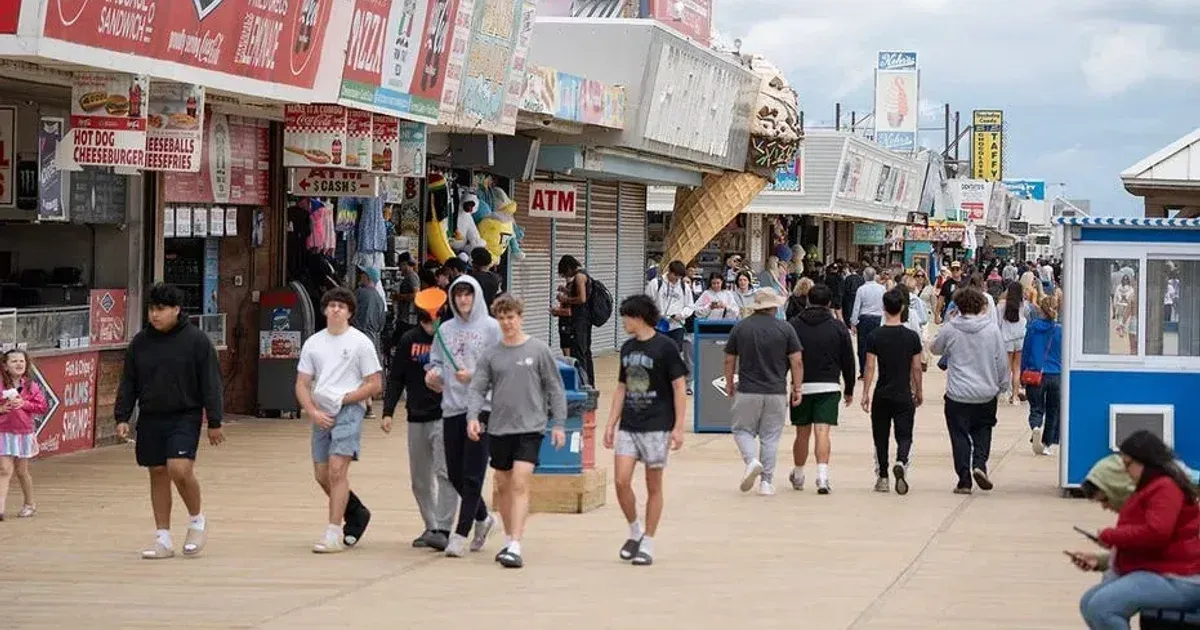
Seaside Heights officials are coordinating with state and federal partners to prevent viral beach parties from overwhelming the boardwalk during Memorial Day weekend. The mobilization follows a pattern of unsanctioned gatherings promoted online and then delivered into narrow coastal districts with little warning. Officials described the Memorial Day posture on May 22, 2026, as part of a broader effort to prevent another holiday surge.
Mayor Tommy Vaz said the borough spent months preparing after holiday crowds strained local infrastructure in 2025. Officials said roughly 100,000 people arrived during that period, contributing to arrests, disorder and several violent incidents. The new plan is meant to stop crowds before they reach the size that previously forced emergency shutdowns. Officials are trying to balance two priorities that often conflict: keeping a family resort open for holiday visitors while preventing a repeat of scenes that overwhelmed police and frightened residents. For shore towns, the holiday weekend is both an economic launch point and a public-safety stress test, which is why the response has moved from routine patrol planning to months of interagency preparation.
"The number of young people that came was unbelievable," Mayor Tommy Vaz said while describing the 2025 crowd surge.
Police records from last year included more than 70 arrests and three stabbing incidents on or near the boardwalk. One year earlier, false reports of gunfire triggered panic and sent large groups fleeing across the beach. Those experiences shaped a more aggressive posture for 2026. Local leaders have argued that waiting until a boardwalk is already packed leaves officers with few good options, making early intelligence and visible deterrence central to the plan.
Federal Support Joins Shore Security
Federal agencies are expected to provide intelligence and coordination support while local police, state troopers and tactical units maintain a visible presence. Officials are watching social media because takeover events can move quickly from online posts to real-world crowds. The aim is to identify likely gathering points before organizers can draw thousands of people into a small area. Social media posts can shift fast, so officials are preparing for crowd movement across beaches, parking lots and boardwalk entrances rather than a single fixed location.
The strategy focuses on early disruption rather than mass arrests after trouble begins. Officers will monitor boardwalk entrances, beach access points and locations that served as flashpoints in prior years. Local businesses support the security push because disorder during a holiday weekend can erase a large share of seasonal revenue.
The heavier posture also carries tradeoffs. Officials want the visible presence to discourage disorder, but they also have to avoid creating the impression that the boardwalk is unsafe before the weekend has even begun. A boardwalk filled with police can reassure families, but it can also make a resort town feel less welcoming. Seaside Heights is trying to preserve the holiday economy while preventing the kind of viral disorder that damages both public safety and the town's reputation.
Delaware Targets Alleged Organizers
In Delaware, police have moved from crowd control to criminal cases against alleged organizers of similar beach events. Authorities in Rehoboth Beach announced charges against four people accused of helping turn a resort area into a disorderly gathering. Xander Nicholl, Angelin Clauvil, Eric Barnett and Keyon Scott are accused of roles in coordinating recent events.
Prosecutors brought charges tied to facilitating a riot and second-degree conspiracy. The allegations suggest that investigators are treating viral takeovers as planned activity rather than spontaneous partying. Digital evidence is expected to play a central role because organizers often rely on social platforms to recruit participants and shift locations. Screenshots, account histories and message chains can help prosecutors argue that a gathering was coordinated rather than accidental, though defendants may challenge how much control any online promoter had over a crowd once it arrived.
Holding organizers accountable is meant to deter future events before they form. Police can remove individual participants from a boardwalk, but that approach does little if new crowds keep arriving through online coordination. Targeting the people who promote and direct the gatherings gives prosecutors a different lever. It also sends a warning to would-be organizers that an online invitation can become evidence if prosecutors believe it helped create a dangerous crowd.
Organizer Charges Could Redefine Holiday Crowd Policing
The response marks a shift in how small resort towns manage public space. A holiday weekend that once required seasonal policing now demands digital monitoring, regional coordination and rapid deployment plans. That change reflects the speed with which online calls can turn into crowds larger than many shore towns are built to absorb. It also shows how tourism economies are being forced to invest in intelligence, communications and mutual-aid planning rather than relying only on seasonal patrols.
The legal risk for organizers is also rising. Charges such as conspiracy and facilitating a riot allow prosecutors to argue that the harm began before the crowd reached the beach. If those cases succeed, other coastal jurisdictions may use the same model for future holiday weekends. If they fail, towns may turn instead to curfews, access restrictions or more visible police deployments. The outcome of the 2026 weekend will therefore influence how other coastal communities prepare for the rest of the summer.