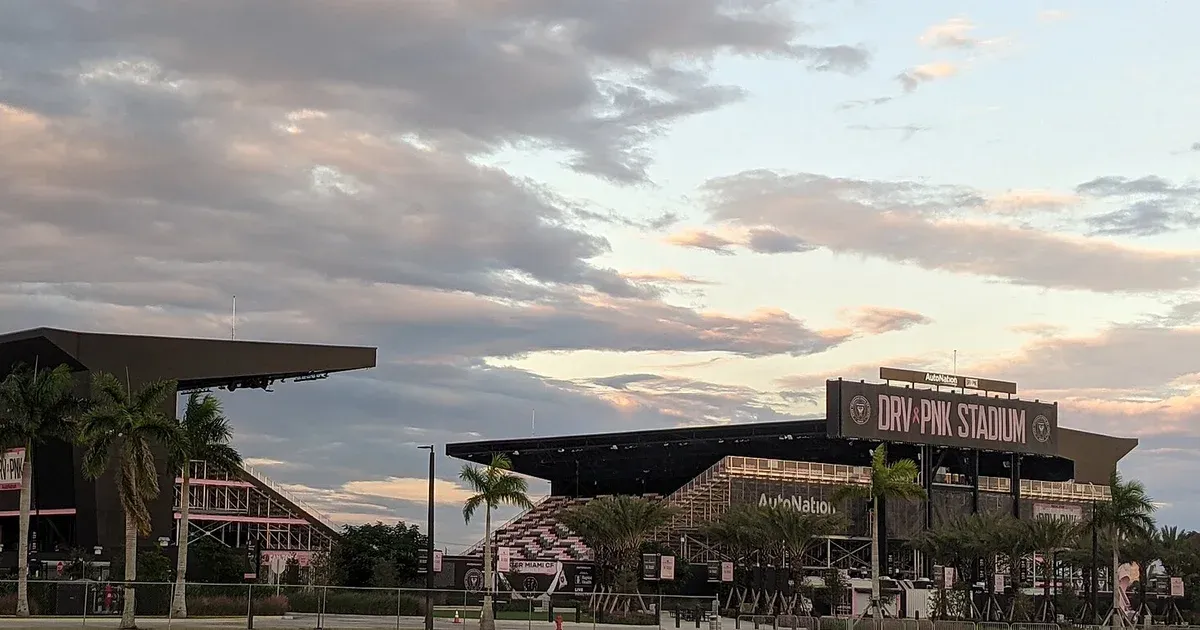
Lionel Messi gave the new Inter Miami CF stadium the opening image its owners wanted, scoring the first goal at the club's permanent home. The strike on April 5, 2026, turned a long-delayed development project into a soccer moment supporters could immediately understand. Miami Freedom Park had been discussed for years through zoning fights, environmental questions and political negotiations. Messi's early goal did not erase that history, but it gave the venue a cleaner public debut than a ribbon-cutting or ownership speech could provide. Inter Miami now has to turn that symbolism into ordinary matchday demand, including transit, concessions, security and a schedule that can absorb international attention.
Messi Gives the Stadium Its First Memory
The goal mattered because stadium openings need symbols. For Inter Miami, the ideal symbol was obvious: Messi scoring in front of supporters wearing the club's pink colors while the franchise tried to show it had moved into a more permanent era. Messi's presence has already changed the club's commercial profile, drawing global attention, sponsorship interest and higher expectations. Scoring the first goal in the new venue tied that global star power directly to the building's history.
Fans roared as Messi's finish gave Miami Freedom Park its first defining soccer moment.
Miami Freedom Park Carries a Bigger Bet
The stadium is not only a sports facility. It is part of a broader development plan involving entertainment, retail and public-space promises. That makes its success dependent on more than matchday attendance. Supporters see the venue as proof that Inter Miami has matured from an ambitious expansion project into a rooted club. Critics will continue to watch traffic, land use and whether promised community benefits match the scale of the development. The timing also matters for MLS. The league has spent years selling soccer-specific stadiums as engines of local identity. Miami now has a venue that can be marketed around one of the sport's most famous players, but the building has to outlast his playing career.
What Comes After the Opening Night
The harder challenge is routine use. A stadium can deliver one emotional debut and still struggle with access, atmosphere or pricing. Inter Miami needs the venue to work on ordinary matchdays, not only when Messi creates a historic highlight. Sporting pressure will also rise. A permanent stadium and a global star make the club look less like a novelty and more like a team expected to win. That changes the way every home draw, injury update and playoff race is judged. For Messi, the goal adds another small entry to a career already crowded with landmarks. For Inter Miami, it is more structural. The franchise now has a first memory for the building and a marketing line that will be replayed for years. The challenge is to turn that moment into habits: repeat crowds, credible results and a stadium experience strong enough to survive after the first-night glow fades. Messi supplied the opening scene. The club still has to build the institution around it.
The stadium opening also changes the local business conversation around Inter Miami. Restaurants, parking operators, sponsors and nearby retailers now have a fixed calendar of soccer dates to plan around. That predictability is part of why ownership groups fight so hard for permanent venues rather than temporary homes.
There is still a post-Messi question underneath the celebration. The club's current attention is tied to one of the most famous players in soccer history, but a stadium is a decades-long investment. Miami has to use this period to build local loyalty, youth connections and a matchday culture that survives after the global spotlight moves on.
The first goal matters, but it cannot be the whole story. It gives the building a clean opening image, yet the real measure will come when ordinary league matches test traffic, pricing, concessions, sightlines and the team's competitive depth. A stadium becomes permanent only when fans treat it as part of their routine.
For MLS, the scene was valuable because it connected infrastructure with star power. The league has invested heavily in the idea that permanent venues create stronger clubs, better atmospheres and more predictable revenue. Messi scoring first gave that argument a highlight that could travel far beyond South Florida.
The business side now has to match the spectacle. Premium tickets, sponsorship activations and tourism interest can make the stadium feel successful early, but local supporters will judge the venue by repeat experience. Ease of arrival, sightlines, concessions and the quality of the team will decide whether opening night becomes the start of a durable home-field culture.
Opening night also gave Inter Miami a benchmark for future expectations. Supporters will remember the first goal, but ownership will measure whether the venue can keep drawing crowds when the schedule is crowded, the opponent is ordinary and the novelty has faded.
Inter Miami is now trying to build that routine. The first night gave the club a strong start; the venue must still earn repeat loyalty.