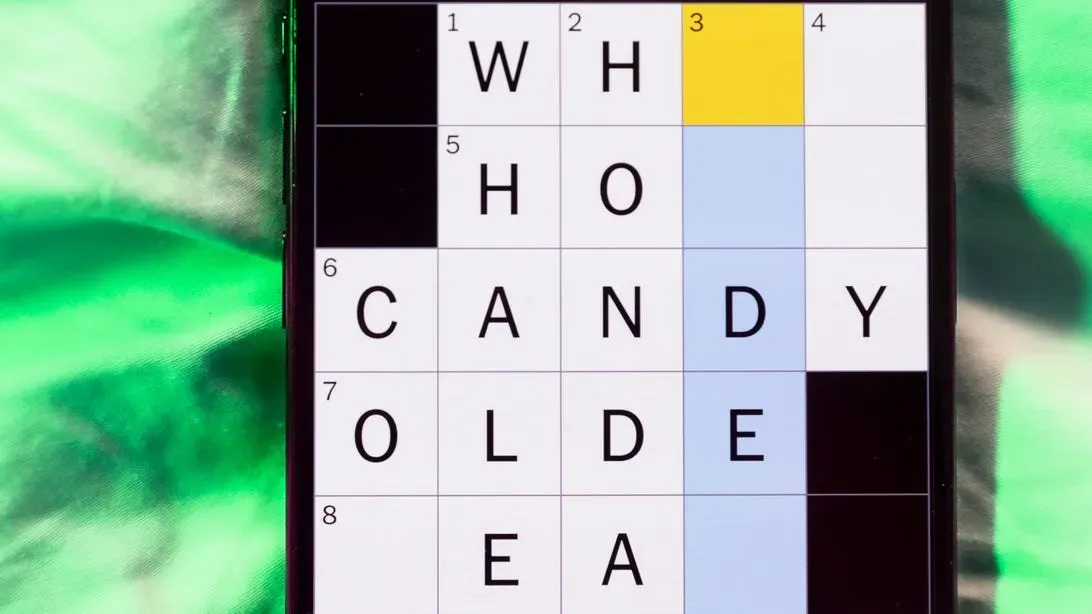
The March 20 Mini Crossword answers became part of the daily puzzle routine for solvers who wanted a quick nudge rather than a full explanation. The clues tied to J. Cole and TBS gave the grid a pop-culture mix that rewarded fast recall. The Mini has become less of a side product and more of a morning habit for many readers. Its appeal is speed: a small grid can be finished before work, during a commute or between notifications.
Short puzzles succeed when they create just enough friction. If every clue is obvious, the grid feels disposable. If the references are too obscure, the promise of a quick solve breaks. That balance is why entertainment clues matter. They give casual solvers a foothold while still leaving room for wordplay, abbreviations and crossings to carry the challenge.
Why the Mini Works
The value of the Mini is not one clue or one answer. It is the repeat visit. A puzzle that takes two minutes can build stronger loyalty than a feature that asks for thirty. For publishers, that kind of habit is valuable because it creates a predictable daily touchpoint. The grid is small, but the relationship it builds with readers is not.
The Mini also gives puzzle editors a place to test tone. A small grid can include music, television, slang and classic crossword glue without making any one reference carry the whole experience. That variety keeps the puzzle approachable. For solvers, answer pages serve a specific function. Many do not want to spoil the full grid; they want to check one clue, understand a crossing or confirm that a pop-culture reference was being used in the expected way.
That behavior is important for publishers because it extends the puzzle beyond the app. Search traffic, social posts and recap pages all reinforce the habit. The Mini may be short, but the ecosystem around it is not. Daily puzzles now work like compact media franchises. The answer is only one piece; the routine, the streak and the conversation around the clue are what keep people returning.
The Habit Is the Product
The March 20 grid also shows why compact puzzles depend on editorial judgment. A clue tied to a rapper, a cable network or a short abbreviation can feel easy to one solver and opaque to another. Crossings are the safety valve that make the experience fair. That fairness is what keeps casual players from quitting. They may not know every reference, but the grid gives them a way to infer, check and finish.
The satisfaction is small, repeatable and sticky. The point is simple: a puzzle does not have to be long to create loyalty. It only has to become part of a reader's day. That is why even answer-seeking is part of the puzzle culture rather than a failure of it. Solvers who look up one clue often return the next day because the experience still feels theirs.
The Mini's compactness makes that possible: it forgives interruption, rewards persistence and turns a tiny daily solve into a durable media habit. For the March 20 puzzle, that means the J. Cole and TBS clues are more than trivia. They are small signals about how the Mini keeps refreshing its voice.