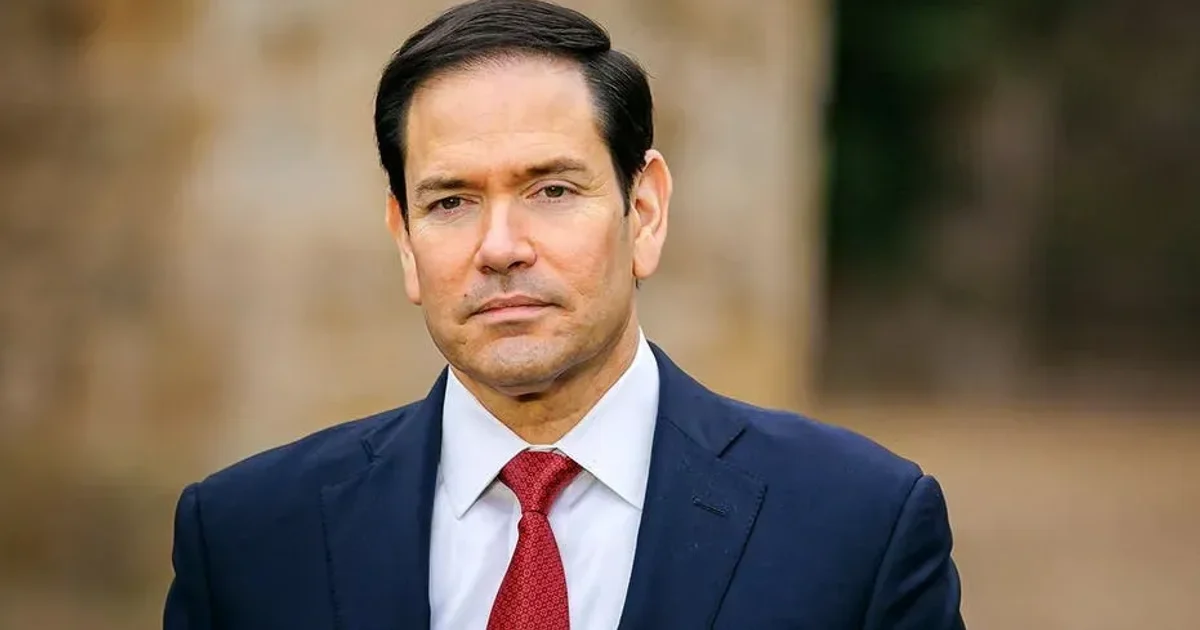
Secretary of State Marco Rubio announced on April 4, 2026, that federal authorities revoked the permanent residency status of two family members of slain Iranian commander Qasem Soleimani. Hamideh Soleimani Afshar and her daughter were taken into custody in Los Angeles. Federal law enforcement officials confirmed the arrests occurred on Friday. State Department records identify Afshar as the niece of the former Iranian Major General.
ICE agents conducted the operation once the State Department issued an administrative determination that Afshar presented a threat to national security. Marco Rubio stated on social media that he personally terminated the legal status of both individuals. Administrative records indicate the move comes during a period of heightened friction between Washington and Tehran. Authorities transferred the two women to a detention facility pending removal proceedings.
Evidence cited by the State Department suggests Afshar openly supported the Iranian regime while living in California. Officials noted she frequently posted pro-Tehran content on a now-deleted Instagram account. One report highlighted her description of the United States as the Great Satan. Hamideh Soleimani Afshar resided in an affluent Los Angeles neighborhood before the revocation.
Reports from the Trump administration allege Afshar celebrated attacks against American soldiers and military facilities in the Middle East.
ICE Arrests Soleimani Niece in Los Angeles
Department of Homeland Security personnel apprehended the pair in a targeted operation on Friday. Investigators focused on Afshar because of her vocal support for the Islamic Revolutionary Guard Corps. This military entity, which Soleimani once led, remains a designated foreign terrorist organization under United States law. Officials believe her presence in the country was no longer consistent with national security interests. Afshar reportedly moved to the United States and secured a green card before the 2020 drone strike that killed her uncle.
Intelligence analysts monitored her social media activity for several months before recommending action. These posts allegedly included praise for the new Iranian Supreme Leader and justifications for regional aggression. State Department representatives characterized her digital footprint as regime propaganda. She used her platform to denigrate the country that hosted her residency. Records indicate her Instagram account was deleted shortly before federal agents arrived at her residence.
Los Angeles serves as home to one of the largest Iranian diaspora populations in the world. Federal authorities are increasing scrutiny on individuals with direct ties to the Tehran political establishment. Rubio signaled that the revocation of these green cards is part of a broader strategy to exert pressure on the Iranian leadership. He categorized the move as a necessary step to protect domestic security from foreign influence. The arrests were executed without incident at a private residence.
Legal Basis for Permanent Residency Revocation
United States immigration law permits the Secretary of State to revoke visas and residency permits on national security grounds. Rubio exercised this authority by determining that Afshar's public statements and family ties rendered her ineligible for continued residency. Legal precedents allow for the removal of individuals who provide material or ideological support to designated terrorist groups. The Islamic Revolutionary Guard Corps has been on that list since 2019. Qasem Soleimani was the designer of the group's external operations until his death.
"The niece of deceased Iranian Major General Qasem Soleimani pushed this propaganda for Iran's terrorist regime while enjoying a lavish lifestyle in Los Angeles, as attested to by her frequent posting on her recently deleted Instagram account," Rubio wrote.
Government lawyers argue that residency is a privilege rather than a right. This privilege can be withdrawn if the recipient engages in activities that undermine the host nation. Afshar's daughter was also stripped of her status because her legal standing was derivative of her mother's residency. Both individuals are now facing expedited removal from the country. They are being held in an ICE detention center in Southern California.
International observers note that the timing of these arrests coincides with a new wave of sanctions against the Quds Force. Rubio's actions emphasize a policy of zero tolerance for regime sympathizers within domestic borders. Foreign policy experts at the State Department indicate more revocations may be pending. They are reviewing the files of several other individuals with high-level connections to the Iranian government. Internal security audits have identified dozens of individuals with potential ties to the Iranian military living in various metropolitan areas. Los Angeles remains a main focus for these investigations due to its demographic density. Federal investigators are looking for evidence of money laundering or intelligence gathering on behalf of Tehran. Afshar's case highlights the difficulty of vetting permanent residents who may hold extremist views. She managed to maintain her status for years despite her public rhetoric.
Security officials believe the IRGC uses family networks to maintain a footprint in Western nations. These networks can enable financial transfers or spread political influence. Rubio has ordered a comprehensive review of all Iranian nationals holding sensitive residency permits. He aims to ensure that no one with active ties to the Revolutionary Guard remains on American soil. The administration's stance has received support from several members of Congress. $11 billion in frozen Iranian assets continues to be a point of contention in ongoing diplomatic disputes.
Iran's government has not yet issued a formal response to the arrests. Past incidents involving the detention of high-profile Iranians have led to retaliatory measures against Westerners in Tehran. Diplomacy between the two nations has effectively stalled since the beginning of the year. State Department officials warned American citizens in the region to exercise extreme caution. The deportation process for Afshar and her daughter is expected to take several weeks.
Rubio Visa Move Tests Residency Power
Rubio's move puts immigration power into a high-profile foreign-policy setting. Revoking green cards for relatives of Soleimani will invite questions about evidence, due process and the limits of symbolic punishment.