Global markets are no longer trading a clean Iran peace-hopes story. They are trading a harder mix: oil rising again, shipping risk around the Strait of Hormuz, a renewed U.S. blockade, Iranian threats to energy exports and equity markets that are still finding pockets of resilience. The competing forces leave the latest tape uneven rather than euphoric.
AP reported on July 15 that Brent crude climbed to about $85.23 a barrel and U.S. crude to about $79.89 as Iran threatened to block Middle East energy exports. At the same time, global shares were mixed. South Korea's Kospi surged on semiconductor strength, U.S. technology shares remained supported by softer inflation data, and parts of Europe weakened. This is not panic. It is repricing with several forces pulling at once.
Oil Has Taken Back the Lead
Energy is again the first screen investors check because Hormuz risk moves through almost every other asset class. When crude rises, airlines, manufacturers, shipping companies, consumers and central banks all have to rework assumptions. A modest move can be absorbed. A prolonged disruption is different because it affects inflation expectations, freight decisions, reserve policy and household fuel costs.
The market does not need every barrel to disappear before adding a premium. It only needs enough uncertainty over passage, insurance, military escalation and retaliatory attacks to make physical delivery less predictable. The renewed oil move shows that traders are no longer treating the conflict as background noise.
Stocks Are Resilient, but Not Calm
Equity markets have not moved in one direction. Some indexes have held up or rallied because technology, banks or domestic earnings stories are strong enough to offset part of the geopolitical pressure. South Korea's chip-linked strength, U.S. tech resilience and selective European gains show that investors are still willing to buy growth where the earnings case looks durable.
Equity resilience should not be confused with calm. A market can rise while risk rises if different forces are moving at the same time. AI demand, semiconductor momentum and easing inflation data can support stocks even as oil and shipping risk worsen. The danger is mistaking split performance for safety. It may simply mean the shock has not reached every sector evenly.
Shipping Is the Transmission Channel
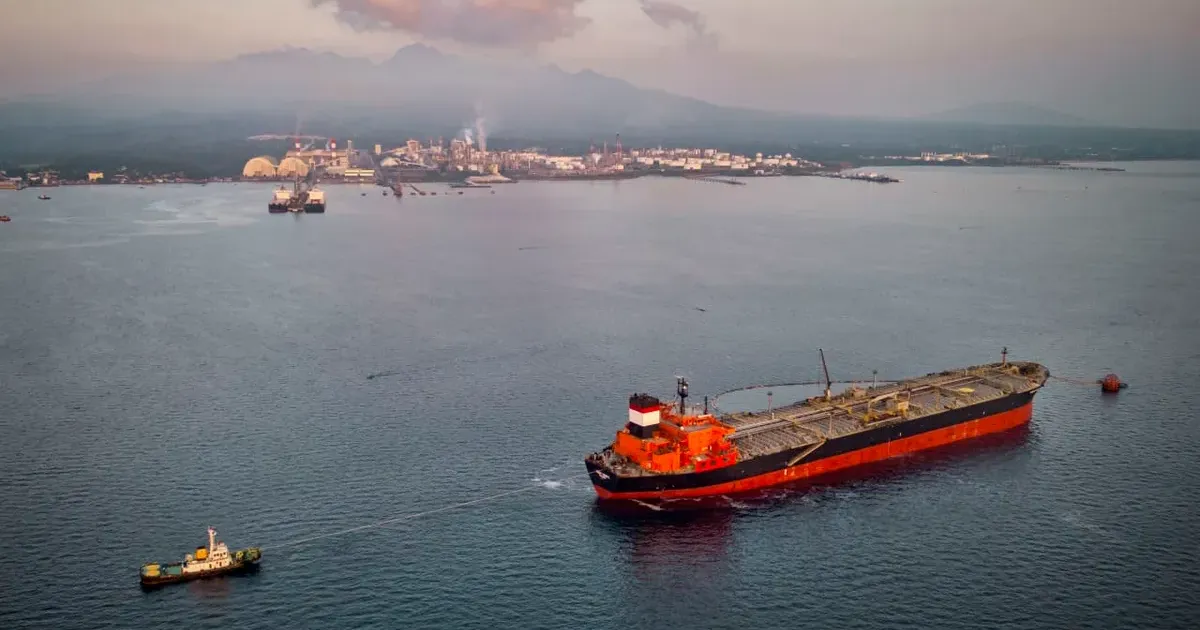
The Strait of Hormuz matters because it turns military headlines into commercial costs. Tanker traffic, insurance pricing, route planning and port timing all become part of the market story. If commercial crossings fall or ships wait for security guarantees, the effect is larger than an oil quote on a screen. Refiners, cargo owners, airlines and governments begin making defensive decisions.
Those decisions can outlast one day of fighting. A company that delays cargo, changes inventory policy or pays more for cover does not reverse every move because one diplomatic statement sounds hopeful. Markets understand that friction. The friction explains why relief rallies can fade quickly when the waterway remains contested.
Inflation Is the Policy Link
The most important macro question is whether higher oil stays contained or bleeds into broader inflation. If the shock is brief, central banks can look through it. If it lasts, fuel, freight and input costs can revive price pressure just as policymakers want to protect growth. That is the uncomfortable policy channel.
The United States and other major economies have buffers, but they are not unlimited. Strategic reserves, alternative supply and demand restraint can soften the first hit. They cannot make a major chokepoint disruption disappear. If inventories are drawn down and spare capacity is already in use, each new shock carries more force than the last one.
Peace Headlines Need Mechanisms
Markets will still rally on credible de-escalation news. The problem is that investors now need more than broad language about talks. They need evidence that ships can pass, Iran will not attack commercial traffic, the U.S. blockade will not widen, Gulf states can avoid retaliation and insurance markets can lower risk assumptions.
A ceasefire headline and a shipping guarantee are therefore not the same thing. A truce can calm screens for a session. A verified corridor changes physical-market behavior. Until that gap closes, traders will keep pricing each diplomatic hint against the possibility of another attack or blockade escalation.
The Story Is Now Two-Way Volatility
The market has moved from relief to two-way volatility. Good inflation data, chip demand and resilient earnings can still lift stocks. Hormuz disruption, oil spikes and military escalation can still pull the other way. Both can be true in the same week, which is why the tape looks less like a crisis crash and more like a nervous argument.
The complexity does not make the danger smaller. It makes it harder to read. A durable recovery would require lower oil risk, clearer shipping routes and a political process that survives more than one headline cycle. Until then, Iran peace hopes are only one input. The larger trade is whether the global economy can keep absorbing energy shocks without turning resilience into exhaustion.