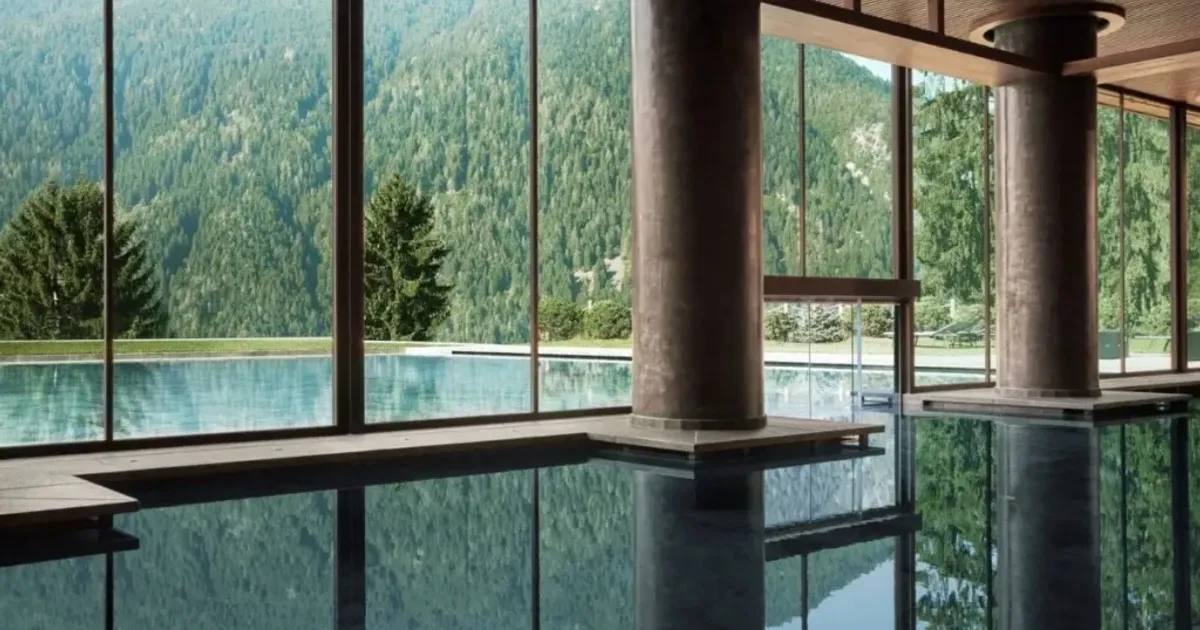
Marriott's Lefay deal gives the hotel group something its vast portfolio did not clearly have: a luxury brand dedicated exclusively to wellness. Marriott and the Leali family, founders of Lefay, announced the joint-venture plan in March and later completed the transaction, bringing the Italian wellness resort brand into Marriott's global portfolio.
Lefay currently operates two luxury resorts, one at Lago di Garda and one in the Dolomites, with projects under development in Tuscany, Southern Italy and the Swiss Alps. The structure keeps the Italian real estate with the founding family while putting the brand and intellectual property into the joint venture. The structure matters because Marriott is not simply buying two pretty resorts. It is buying into a method, a development platform and a category it needed to define more clearly.
Wellness Moves From Amenity to Brand
Luxury hotels have spent years adding bigger spas, cleaner menus, sleep programs and recovery treatments. Lefay goes further because wellness is the reason for the stay, not an amenity attached to the stay. Its resorts are built around space, nature, sustainability, structured programs and the Lefay SPA Method, which blends scientific language with holistic traditions.
The distinction is the business logic. Marriott already has luxury brands with excellent spas. Lefay gives it a luxury wellness brand with a more specific promise. In a market where nearly every high-end property now claims some version of wellbeing, specificity is the only way to avoid sounding generic.
Bonvoy Will Change the Audience
Bonvoy integration is the practical turning point for travelers. Once Lefay properties are connected to Marriott's booking channels and loyalty ecosystem, a specialized Italian wellness stay becomes easier for millions of members to discover, compare and consider with points, status benefits or Marriott trip planning.
Bonvoy's reach can accelerate demand quickly. It can also change expectations. Bonvoy members often arrive with assumptions about upgrades, recognition, redemption value and brand consistency. Lefay's appeal sits partly in quiet, place-specific retreat culture. Marriott has to connect the systems without making the guest experience feel like another standardized luxury resort with a spa attached.
The Competitive Gap Was Obvious
Marriott's luxury scale is enormous, but competitors have had clearer wellness flags. Hyatt has Miraval. IHG has Six Senses. Other luxury groups have leaned into medical wellness, longevity retreats, destination spas and nature-led recovery experiences. Marriott did not lack luxury rooms. It lacked a dedicated wellness answer that could stand on its own.
Lefay fills the gap more credibly than an internal brand launch might have. It already has operating resorts, a recognizable Italian identity and a pipeline in destinations that match the category. Buying into Lefay's credibility is faster than inventing a wellness platform from a corporate deck.
Scale Is Useful Until It Dilutes the Promise
The risk is the same as the opportunity. Marriott's distribution power can bring Lefay more demand, more development prospects and more global visibility. It can also pressure the brand to grow faster than the experience can support. Wellness travelers are skeptical of properties that promise transformation and deliver only a nice massage, soft lighting and expensive water.
Lefay's value depends on staying specific: Italian settings, slower rhythm, serious spa programming, sustainability language that feels operational rather than decorative, and a guest journey that makes wellness central. If Marriott expands the name into ordinary resort environments, the brand loses the thing it was acquired to provide.
The Deal Works Only If Lefay Stays Lefay
The Lefay transaction is smart because wellness travel is no longer a decorative corner of luxury hospitality. It is a reason wealthy guests choose one resort over another, stay longer and travel outside peak leisure windows. For Marriott, that makes Lefay more than a niche addition. It is a category signal.
But the signal will hold only if Marriott protects the brand's philosophy while adding reach. The workable division is simple: Marriott supplies development discipline, distribution and Bonvoy visibility; Lefay keeps the guest logic, program depth and retreat identity. If that balance holds, Bonvoy gains a real wellness flagship. If it does not, Lefay becomes another premium logo in a portfolio already full of them.