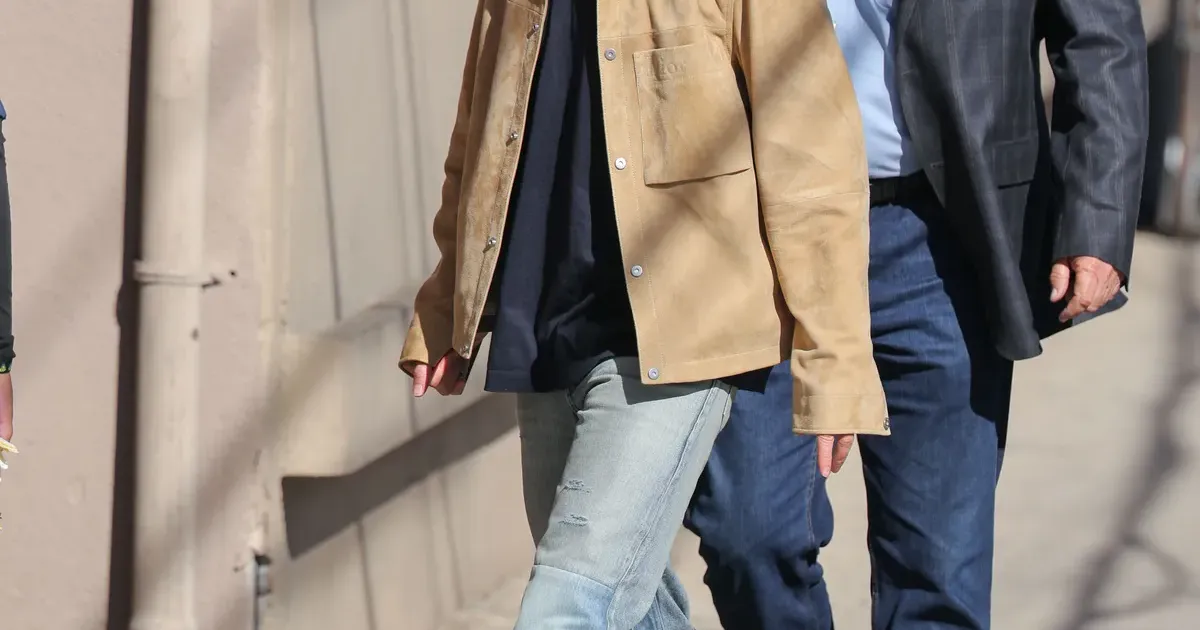
Technical footwear is moving deeper into menswear because buyers want shoes that can handle weather, walking and everyday styling without looking like gym gear. The shift does not mean sneakers are disappearing; it means the fashion conversation has widened beyond the same limited set of low-profile models. Outdoor brands, hybrid soles and performance materials now sit beside tailored trousers and oversized coats in a way that would have looked niche a few seasons ago. The technical footwear turn had become a clear retail story rather than a small styling experiment. For menswear buyers, the appeal is partly visual and partly practical. Retailers are watching whether the trend stays attached to real utility or becomes another short cycle built on novelty. The more durable signal is that comfort and function are no longer being treated as compromises in a polished wardrobe. Menswear buyers are treating technical footwear as part of the outfit rather than only outdoor gear. The shift rewards brands that combine comfort, function and a cleaner fashion profile.
The trend also gives smaller performance brands a chance to enter wardrobes that once belonged to sneaker labels. Function has become part of the style argument.
The shift is less about abandoning sneakers than about choosing shoes that look designed for weather, commuting and long days. Gorpcore and outdoor labels trained shoppers to accept rugged soles, waterproof uppers and unusual silhouettes as style signals. That is why the most credible pairs are being judged by materials, tread, weight and versatility rather than by hype alone.
Why the Shift Reached Menswear
That practical test gives the trend more substance than a simple sneaker backlash. The business test is whether this utility language can keep attracting buyers after the novelty fades. The commercial reason is clear: footwear that can cross style categories gives retailers more ways to merchandise the same product across seasons. Menswear buyers are also more willing to pay for function when a product can work with tailoring, denim and travel wardrobes. Brands benefit because technical models give them a story beyond colorways and limited drops.
If brands keep the design language restrained, technical shoes can become a durable menswear lane rather than a short seasonal pivot. Retailers also have to avoid making every model look overbuilt, because the best menswear pieces still need restraint. That makes the trend more resilient than a single runway cue, because the customer can justify the purchase through comfort as well as appearance. The trend will last only if comfort and durability match the visual promise.
The next signal will come from whether shoppers keep choosing these pairs after warmer-weather styling and travel wardrobes change.
That is why the footwear shift has moved beyond a styling note. Technical shoes solve a practical problem for city wearers who want grip, comfort and weather tolerance without giving up a sharper silhouette. The brands that win this space will be the ones that make function look intentional rather than accidental.
The look also fits a wider move away from fragile fashion. Shoes that can handle rain, long walks and daily commuting now sit comfortably beside tailored trousers and technical outerwear, giving menswear a practical reason for the change.
Retailers are watching whether performance shoes can hold a place in everyday wardrobes after the first wave of attention. The trend has a better chance when the product solves real walking, weather or comfort problems instead of simply giving menswear another novelty shape.
What Brands Are Selling
The style signal is that practical products now have cultural status when they solve real daily problems. Brands that treat function as design, not as marketing copy, will have the stronger position.
That is the real adoption test: whether the shoes keep working after the trend cycle moves on.