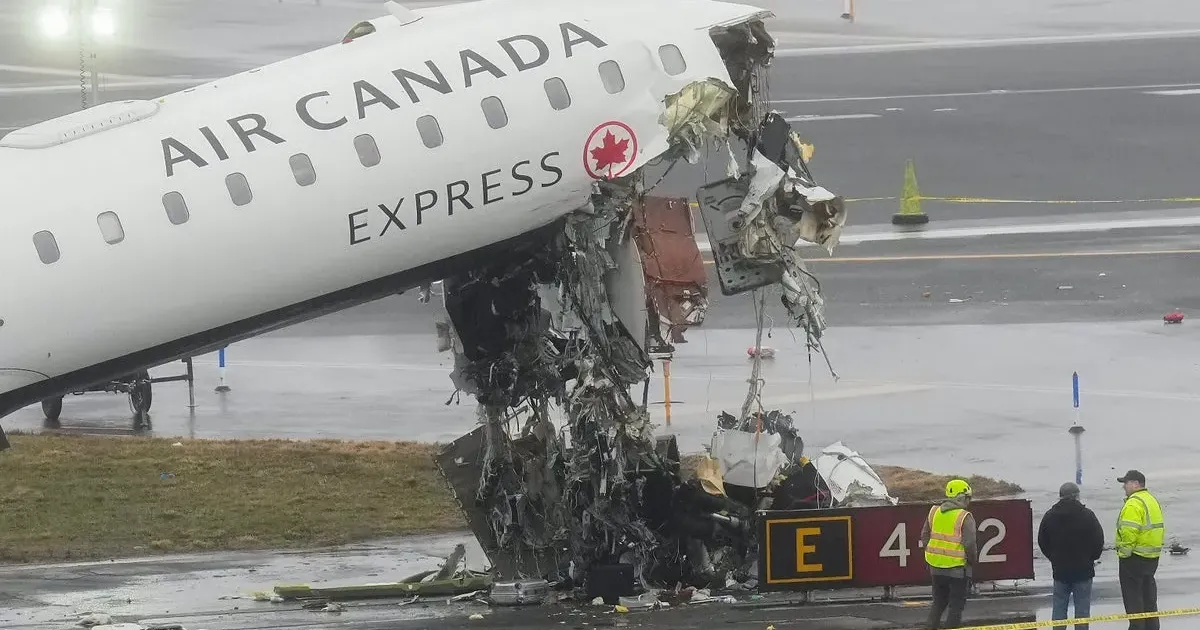
The resignation shows how fast a safety crisis can become a governance crisis. Air Canada now has to rebuild trust on several fronts. That sequence made the resignation a board-level test. Michael Rousseau announced his departure from Air Canada on March 30, 2026, responding to intense public scrutiny over his handling of a fatal runway incursion in New York. The chief executive officer faced immediate calls for his removal after the airline released a video message addressing a deadly collision at LaGuardia Airport. Critics noted the footage featured Rousseau speaking only in English, despite the flight originating in Montreal and the carrier's legal obligations to provide bilingual communication. This omission sparked a political firestorm in Quebec and Ottawa that quickly eclipsed the initial technical investigation into the accident. The board now has to separate the language controversy from the technical crash inquiry without minimizing either one. Investors will watch whether the interim leadership can cooperate with regulators while restoring confidence among French-speaking customers. The crash inquiry will still decide what happened on the runway, but the resignation shows that airline leadership is judged on response as well as operations. A bilingual crisis plan is now part of the governance repair. The company also has to explain how the crash response will change before the final safety report arrives, because passengers and regulators will not wait eighteen months for visible operational discipline.
Aviation safety officials confirmed the incident involved an Air Canada Jazz flight that collided with a fire truck shortly after touching down. The regional jet, operating a routine morning service from Quebec to Manhattan, struck the emergency vehicle at high-speed on the runway. Ground controllers at the airport reported visibility issues at the time of the impact. Local authorities confirmed the death of one firefighter while several passengers sustained injuries during the emergency evacuation. Records from the flight deck voice recorder indicate the pilots attempted a go-around maneuver seconds before the collision occurred.
Michael Rousseau faced calls to resign for his English-only message after the fatal Air Canada collision at LaGuardia airport.
Legislators in the Canadian Parliament pointed to the Official Languages Act as a primary reason for the executive's failure. This specific law mandates that Air Canada must provide services and communications in both French and English. Similar controversies had trailed Rousseau since his appointment, particularly after he admitted in 2021 that he did not speak French despite living in Montreal for several years. The recent video was a catalyst for renewed debates regarding the linguistic qualifications of leaders at nationally serious corporations. Government ministers in Ottawa signaled they would no longer support the current leadership structure.
A fatal runway incident demands operational answers, but the communication failure widened the crisis. Language, timing and tone all became part of the leadership judgment.
The next Air Canada chief will inherit safety review pressure and a public-relations problem that cannot be solved with a single resignation.
Corporate Governance and Executive Accountability
Shareholders reacted to the mounting political pressure by selling off positions during early morning trading. The stock price dipped sharply as rumors of a board-level shakeup began to circulate. Investors expressed concern that the CEO had become a distraction during a period of critical safety assessments. Internal memos suggest the board of directors met late into the evening on March 29 to discuss the viability of his continued leadership. They ultimately determined that the reputational damage outweighed his operational contributions to the firm.
Market analysts at major banks noted that the airline's relationship with the federal government had deteriorated to an unsustainable degree. Federal subsidies and route protections often depend on the company's adherence to cultural mandates. By failing to acknowledge the French-speaking population during a tragedy, Rousseau alienated the very demographic that provides the airline its domestic strength. The board appointed an interim leader to manage the transition while they search for a candidate with proven bilingual capabilities. Financial reports show the airline maintains a cash reserve to handle potential legal settlements arising from the New York crash.
Future of Air Canada Leadership
The search for a permanent successor will likely focus on candidates with deep roots in the Quebec business community. Industry experts believe the next CEO must possess the diplomatic skills to navigate both the American regulatory environment and Canadian language laws. Safety remains the top priority as the NTSB continues its close look at the LaGuardia collision. Air Canada Jazz has suspended the specific flight number involved in the accident as a mark of respect for the victims. The transition comes at a time when the airline is trying to modernize its fleet and expand its international footprint.
Union leaders representing the pilots and flight attendants have called for a refocus on cockpit culture and ground safety protocols. They argue that executive distractions have trickle-down effects on the operational staff. The airline's safety record had been relatively stable prior to this runway incursion. Now, every aspect of the company's training and communication is under the microscope. The final report on the LaGuardia incident is expected within eighteen months. Rousseau will receive a severance package consistent with his contract, though the specific terms have not been disclosed to the public.
Airline Crisis Leadership
The resignation also shows how crisis communication can compound an operational failure. After a fatal runway incident, every public message is read for competence, empathy and national sensitivity. Rousseau's language choice became part of the story because it suggested distance from the affected communities at the exact moment when the airline needed trust.