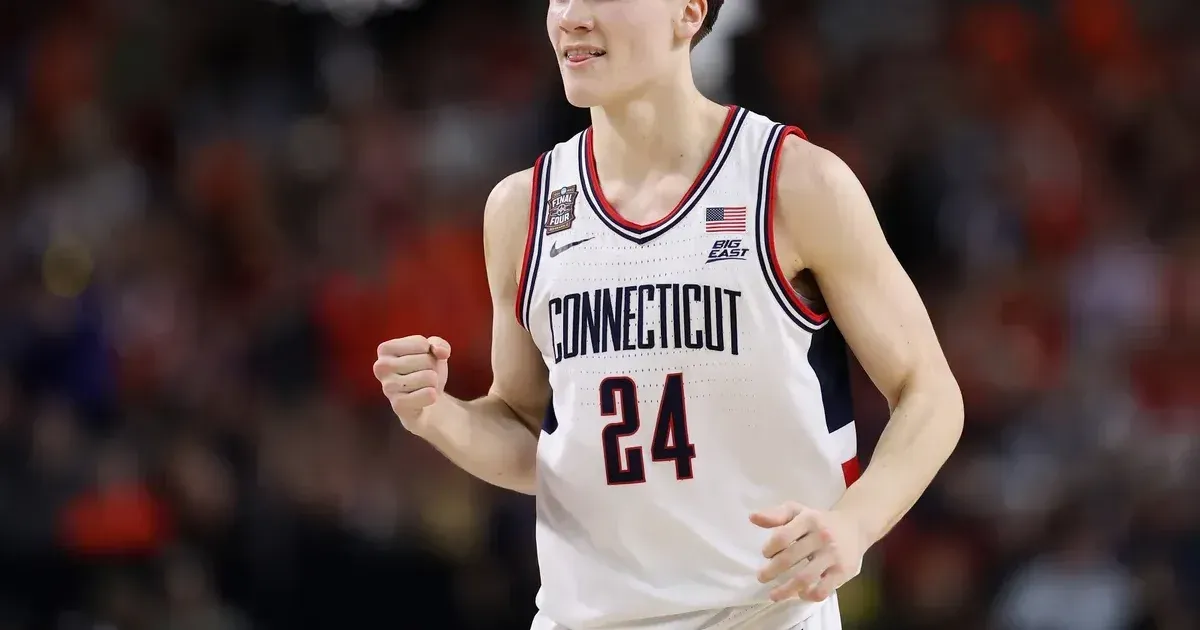
Michigan and UConn arrive at the national title game with the betting market leaning toward the Wolverines. Lucas Oil Stadium in Indianapolis gives the matchup a neutral-site stage built for a large television audience.
The betting angle is only one layer of a game shaped by broadcast timing, neutral-site shooting and late-tournament fatigue. The April 6, 2026, tipoff is set for 8:50 p.m. ET, closing a tournament that began with Selection Sunday on March 15 and moved through the First Four, opening weekend, regional rounds and Final Four.
Betting Markets Shift Toward Michigan Victory
Sportsbooks have adjusted their lines throughout the day to reflect heavy action on the Michigan moneyline. BetMGM leads the digital wagering space by offering specific incentives for new users entering the market before tipoff. Capital flows into the sports betting ecosystem reached substantial levels as the Final Four concluded on April 4. Promoters released the $1,500 bonus code NYPDM1500 to capture the influx of domestic wagers. Financial analysts note that the 20% deposit match strategy targets casual viewers who typically only engage with basketball during the championship game. Michigan's favored status has held steady despite late-night betting surges favoring the Huskies.
Economically, the championship game is a peak in quarterly revenue for major gambling platforms. Michigan's consistency from the free-throw line remains a primary factor for professional handicappers. Bettors often prioritize veteran leadership in national finals, a trait the Wolverines demonstrated during their second-round victory on March 21. UConn supporters pointed toward the Huskies' ability to cover the spread in neutral-site games this season. Wagering volume surpassed previous records for the 2026 tournament cycle. Market volatility usually increases in the two hours preceding the official start time.
Broadcasting Networks Pivot to Multi-Channel Coverage
Warner Bros. Discovery allocated substantial resources to ensure the game reaches a global audience across three primary networks. TBS, TNT, and TruTV will simultaneously broadcast the event to maximize household reach in the United States and abroad. Streaming technology has become the dominant method for younger demographics to access live sports without traditional cable contracts. Services including YouTube TV and DirecTV provide dedicated channels for the tournament finale. Viewers can also access the live feed through the HBO Max Standard plan on the ad-free tier. Broadcast coverage begins well before the 8:50 p.m. ET tipoff to accommodate pre-game analysis. The tactical question is how Michigan faces off against UConn for tournament supremacy.
Technically, the integration of streaming platforms has reduced the latency issues that plagued previous championship broadcasts. High-definition feeds on platforms like DirecTV require stable internet connections for uninterrupted viewing. HBO Max users must maintain a specific subscription level to bypass traditional regional blackouts. Network executives expect viewership numbers to rival the 2025 final. Major providers offer trial periods that coincide with the tournament schedule. Lucas Oil Stadium will be equipped with advanced camera arrays to support these multi-platform streams.
"Michigan will face UConn in the grand conclusion to the men's 2026 NCAA basketball tournament tonight," according to Yahoo Sports.
Indianapolis has hosted multiple NCAA championships due to the specific logistical advantages of its downtown stadium layout. Lucas Oil Stadium features a retractable roof and seating configurations designed for large basketball crowds. Security protocols for the April 6, 2026, event involve local law enforcement and federal agencies. Historical data shows that Indianapolis generates large tourism revenue during the three-day window surrounding the Final Four and the championship. Local businesses reported record sales during the Elite Eight games held on March 29. The city infrastructure supports high-density foot traffic between the stadium and nearby hotels.
Statistically, teams playing in dome environments face unique challenges regarding depth perception and shooting percentages. Michigan practiced at the venue throughout the weekend to acclimate to the specific lighting and acoustics. UConn arrived in the city on Friday to begin their final preparations for the Monday night clash. Selection Sunday results on March 15 set the path for both programs to converge on this specific Midwestern location. Tournament organizers emphasized the importance of the April 6 date for television scheduling. Indianapolis remains a preferred site for the NCAA leadership due to these consistent operational successes.
Defensive schemes implemented by the UConn coaching staff focus on neutralizing Michigan's primary ball handlers. The Huskies allowed an average of only 64 points per game during the opening weekend on March 19 and 21. Success in the Sweet 16 further validated their commitment to rim protection and shot contests. Michigan counters this with a high-volume three-point shooting strategy that overwhelmed opponents in the Elite Eight. Offensive rebounds provide the Wolverines with second-chance opportunities that often decide close games. Analysts expect the game pace to favor Michigan if the score remains high in the first half.
Betting Shadows the Title Game
Will the NCAA ever reconcile the contradiction of its amateur ideals with the predatory nature of the modern betting landscape? As Michigan and UConn prepare to compete for a trophy, the real victors have already been decided in the boardrooms of BetMGM and Warner Bros. Discovery. The commodification of collegiate athletics has reached a terminal velocity where the actual sport is merely a vehicle for $1,500 deposit matches and subscription tier upgrades. The evidence shows a billion-dollar industry masquerading as a student-athlete showcase. This charade ignores the reality that the tournament is now a high-frequency trading floor for sportsbooks.