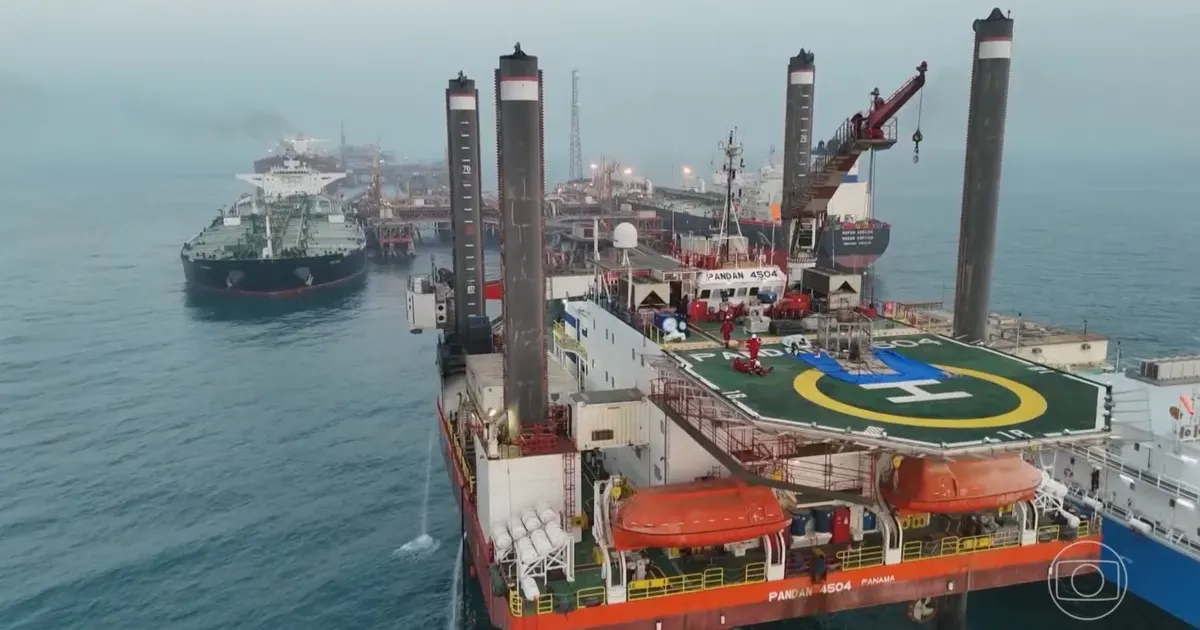
The Middle East war is pushing oil markets to price production risk, shipping disruption and inflation pressure at the same time. By March 12, 2026, market anxiety had already moved beyond a single trading session. Importers were comparing reserves, shipping options and political exposure, and the question for traders was no longer whether the conflict mattered to energy prices but how long the disruption could last. A short shock can be absorbed with inventories and rerouting. A prolonged shock can move through currencies, central banks, freight costs and household budgets.
The Middle East war is forcing oil markets to price a severe supply shock across production, shipping and inflation channels at the same time.
Supply Shock Moves Beyond Barrels
Oil shocks are often described in lost barrels, but the market also reacts to uncertainty around shipping, insurance and refinery planning. A cargo that technically exists is less useful if shipowners hesitate, insurers raise premiums or ports face delays. That is why conflict can tighten the market before production falls dramatically. The phrase oil supply shock now includes the cost of moving energy through contested geography. The barrel and the route have become inseparable.
Inflation Pressure Returns
Import-dependent economies are most exposed because they must pay global prices while protecting households from the sudden rise. Fuel subsidies, tax cuts or emergency reserves can help, but none are cost-free. Central banks face a difficult problem. If the shock is temporary, overreacting can damage growth. If it lasts, ignoring it can let inflation expectations rise again. Businesses will also adjust. Airlines, freight firms and manufacturers may hedge or pass costs forward, spreading the energy shock into the broader price system.
Geopolitics Sets the Timeline
The duration of the shock depends on whether governments can contain the conflict and protect shipping. Markets are watching naval deployments, port operations and statements from major producers. Diplomatic language matters because traders treat credible restraint as supply support. Loose threats or unclear red lines can add a premium even when physical flows continue. That creates a feedback loop: fear raises prices, higher prices increase political pressure and political pressure can shape the next military or diplomatic move.
Energy Shock Becomes an Inflation Test
The worst case is not a dramatic one-day spike. It is a sustained period in which energy buyers plan around higher costs, weaker currencies and slower growth. That would affect households through fuel, food and transport costs, while governments face pressure to protect consumers without damaging budgets. The shock is also uneven. Producers with spare capacity may gain revenue, while importers face weakened currencies and rising subsidy bills. Consumers experience the same event through very different national balance sheets. Strategic reserves can soften the first blow, but they are not a permanent substitute for secure flows. Governments can release barrels for a time, then must decide whether the crisis is temporary enough to justify continued drawdowns. Shipping is the early-warning layer. If owners delay sailings, insurers change terms or ports tighten security, the market will assume the disruption is becoming operational rather than theoretical. That is why the shock can deepen even before headline production falls. Fear can slow the system, and a slower system is more expensive. The political effects can be severe. Leaders who were focused on domestic priorities may suddenly find their agendas dominated by fuel prices and inflation expectations. For businesses, planning becomes defensive. Firms may hedge, raise prices, delay investment or change routes. Each decision protects one balance sheet but can spread the cost across the economy. The longer the war continues, the more the oil shock becomes a test of resilience rather than a temporary market event. That is when energy disruption begins to reshape growth forecasts, not only trading screens. The shock also tests coordination among consuming nations. If governments compete aggressively for cargoes, they can bid prices higher and worsen the pressure on poorer importers. Coordinated releases, demand management and shared information can reduce that spiral, but they require political trust. Refineries add another layer of complexity. Not every refinery can easily process every grade of crude, so a disruption in one region cannot always be solved by buying different barrels elsewhere. Quality, distance and contract terms all matter. Food prices may become a secondary channel. Diesel costs affect trucking, farm operations and shipping, while fertilizer and petrochemical markets can respond to energy stress in ways that households eventually feel at grocery stores. That is why the shock cannot be judged only by the front-month oil price. The larger risk is a chain reaction through transport, credit, currencies and public budgets. Once that chain forms, even a ceasefire may take time to filter back into lower costs. The pressure on poorer importers may be especially severe. Wealthy states can subsidize fuel, draw reserves or outbid competitors for cargoes. Lower-income countries face the same global prices with less fiscal room, which can turn an energy shock into a debt and currency problem.
Political stability can become part of the energy equation. If households face sharp increases in transport and food costs, governments may confront protests, emergency spending demands or pressure to intervene in markets even when budgets are already stretched.
The supply chain for refined products can also tighten. Crude headlines attract attention, but diesel, jet fuel and petrochemical feedstocks determine how the shock reaches airlines, trucking firms, factories and consumers.
Central banks will watch whether the shock becomes embedded in expectations. If businesses and households believe higher energy prices will last, wage demands, pricing decisions and bond markets can move in ways that make inflation harder to contain.
That makes diplomacy an economic instrument. Every credible sign of containment can reduce risk premiums, while every ambiguous threat can add costs before a single additional barrel is lost.
The fiscal burden will not fall evenly inside countries either. Rural households, commuters, small carriers and food distributors can feel fuel inflation before wealthier urban consumers do, which can turn a global shock into a domestic fairness debate.
The war has turned oil into the transmission belt between regional conflict and global economic stress. How long that belt keeps moving will define the scale of the damage.