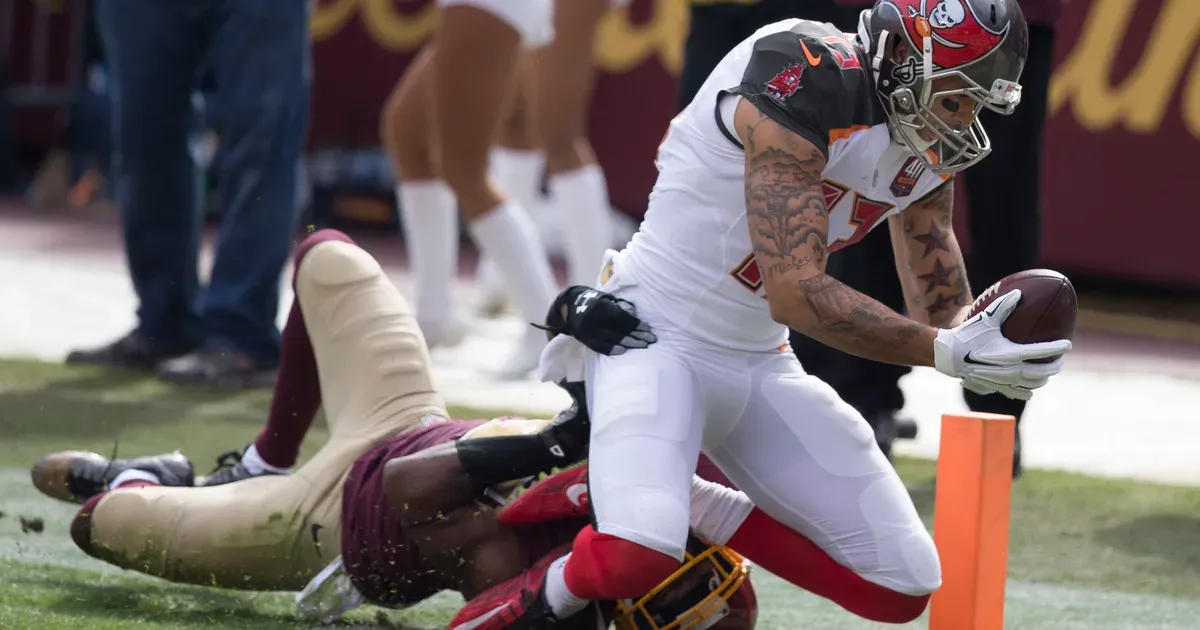
Mike Evans sat in his Tampa home on a humid March afternoon, staring at the red and pewter jersey he had worn for 12 consecutive seasons. Few players in the modern NFL era remain synonymous with a single city for over a decade, but Evans defined the Buccaneers through revolving doors of quarterbacks and coaches. News of his signing with the San Francisco 49ers ended an era that included a Super Bowl ring and a record-shattering streak of 1,000-yard seasons. By March 12, 2026, the move had reset expectations for Tampa Bay, San Francisco and the wider free-agent market. Financial constraints and a desire for one final championship run pushed the veteran receiver toward the West Coast. Evans told reporters that leaving the community felt like a betrayal of his younger self, yet the lure of Kyle Shanahan’s offense proved irresistible. Tampa Bay fans now face a reality where their most consistent offensive weapon in franchise history will catch passes in a different shade of red.
Loyalty in professional football usually lasts until the first major check from a rival hits the table.
San Francisco management moved aggressively to secure Evans once the legal tampering period opened. Sources within the organization suggest the 49ers viewed Evans as the missing vertical threat to complement their existing core. His arrival is a massive gamble on veteran talent as the team enters a championship window that many analysts believe is closing. Evans brings a catch radius that compensates for any decline in speed at this stage of his career. Tampa Bay offered a respectable extension, but the 49ers’ structure allowed Evans to maximize his guaranteed money over the next two years. The move sent ripples through the NFC South, leaving the Buccaneers with a void at receiver that they cannot easily fill through the draft alone.
The Calculated Exit of Brandon Aiyuk
General Manager John Lynch balanced the books by making a difficult call on Brandon Aiyuk. Reports indicate the 49ers are preparing to release the wide receiver, who has not touched the field since October 2024. Aiyuk’s career stalled after a complex knee injury and subsequent rehabilitation setbacks that kept him on the sidelines for over a year. While the talent was undeniable during his 2023 breakout, the financial burden of his contract became untenable for a team trying to pay a veteran like Evans. Rumors of a strained relationship between Aiyuk and the medical staff have circulated for months, casting doubt on his readiness for the 2026 season. A former coach recently warned prospective teams that signing Aiyuk involves significant risk, citing concerns about his physical recovery and conditioning after such a long layoff.
Injuries can turn a franchise cornerstone into a salary cap casualty in the blink of an eye.
Teams looking for receiver depth might still take a flyer on Aiyuk, but his market value has plummeted since his last active game. The 49ers decided that waiting for a potential return was no longer a viable strategy for a team in win-now mode. Replacing him with a proven producer like Evans offers more immediate certainty for a quarterback room under immense pressure. Lynch remains focused on established reliability over theoretical potential. Aiyuk now enters a marketplace where he must prove his health to skeptical front offices who remember his disgruntled exit from the Bay Area.
Patrick Mahomes received an early morning text from his newest teammate just minutes after the Kansas City Chiefs finalized their latest free-agent acquisition. The Chiefs signed a high-profile veteran to strengthen a receiving corps that struggled with consistency throughout the 2025 campaign. This newcomer wasted no time making headlines, publicly stating that Mahomes is the only reason he chose Kansas City over more lucrative offers elsewhere. Kansas City’s front office continues to master the art of the veteran minimum deal for players chasing rings. Mahomes has historically elevated mediocre talent, but the addition of a savvy veteran who understands complex defensive shells will simplify the offense. The AFC West remains a gauntlet, and the Chiefs refuse to let their offensive roster stagnate while rivals reload.
Stagnation in the Steel City
Steelers leadership maintains that they will not overpay for talent that does not fit their cultural mold. This philosophy has served them well for decades, but the gap between Pittsburgh and the conference elites is widening. The fan base in Western Pennsylvania is notoriously impatient, and the silence from the facility on the South Side has been deafening. If the defense suffers even a minor regression due to age or injury, the season could spiral quickly. Rival teams in the AFC North, particularly the Bengals and Ravens, have made significant strides in improving their rosters. Pittsburgh’s conservative approach might eventually lead to a losing season, a rarity for the Tomlin era that no longer feels impossible.
Winning in December requires spending in March.
NFL Contender Timing Test
Evans gives San Francisco a short-window championship option, while Tampa Bay must replace a player whose value was cultural as much as statistical. That makes the move more than a transaction between two depth charts.
The broader lesson is that free agency rewards teams with a clear timeline. Clubs chasing a title can justify veteran risk, while slower-moving teams face scrutiny when rivals convert cap space into immediate offensive help.