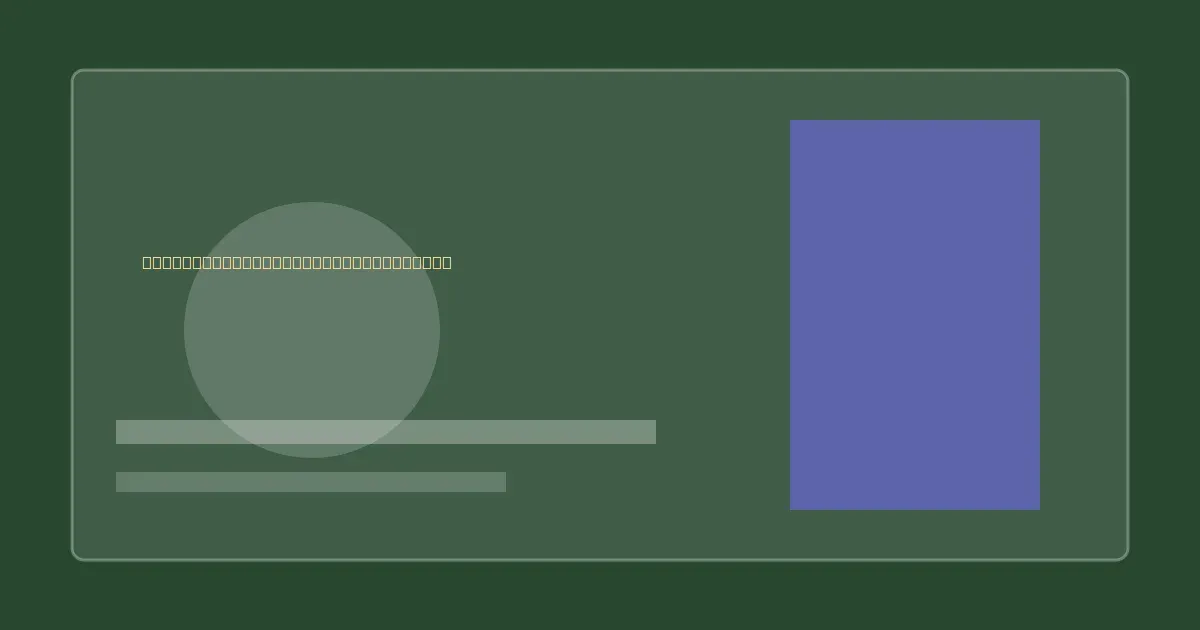
Alex Bellos's missing-letter puzzle works because reading is not a slow inspection of every mark on the page. It is a fast negotiation between what the eye receives and what the mind expects. The Guardian challenge asked readers to identify common English phrases after each letter had been replaced by a box with the same width and height as the original letter.
That design choice made the puzzle more than a trick. The boxes preserved the physical rhythm of the words while hiding the letters themselves. Bellos also noted that consonants were colored blue and vowels green, and that five of the ten answers were Shakespeare quotations. Those constraints turned a blank-looking grid into a solvable reading test.
Word Shape Gives The First Clue
The puzzle depends on word shape, especially the pattern created by ascenders and descenders. Letters such as b, d, h and k rise above the middle line. Letters such as g, p and y drop below it. Even when the letters disappear, those height changes leave evidence behind.
A short word with a tall first shape and a low final shape does not feel the same as a flat row of boxes. The eye may not know the answer yet, but it has already narrowed the possibilities. The puzzle can therefore feel impossible for a moment and then suddenly obvious.
Context Does Much Of The Work
Context narrows the search even more. Readers were not asked to recover any sentence in English. They were told to look for familiar phrases, sayings and Shakespeare lines. That immediately pushes the mind toward stored material: proverbs, quotations and phrases heard often enough to become almost automatic.
Once one word lands, the phrase around it often follows. A solver does not build the answer one letter at a time. Recognition arrives when enough clues cross a threshold: phrase length, color pattern, word shape and memory all line up at once.
Reading Is Repair Work
The same mechanism operates in ordinary reading, though less visibly. Skilled readers do not sound out every letter in sequence. They use letter identity, spacing, grammar, subject matter and expectation together. Damaged, blurred or abbreviated text can still be readable when the surrounding context is strong.
The popular claim that letter order barely matters is usually overstated. First and last letters help, but short words, rare words and unfamiliar names can break the effect quickly. Bellos's puzzle is cleaner because it shows that language carries redundancy. Readers often receive more information than they strictly need to recover meaning.
Design Can Help Or Fight The Brain
The lesson reaches beyond puzzles. Font design, road signs, captions, apps and mobile interfaces all depend on quick recognition under imperfect conditions. A phrase that preserves spacing, contrast and word shape is easier to read in the real world. A design that damages those cues forces the reader to work harder.
The puzzle was based on an original idea by Scott Kim, with images created by Tom Tanaka. Its elegance is that it makes hidden reading labor visible. The page withholds the letters, but the mind still tries to finish the sentence. That does not prove text can vanish. It proves how much readers quietly supply before they notice they are doing it.