Russia and Belarus completed the final phase of joint nuclear exercises as military commanders tested the movement of specialized munitions across the border. The Belarus deployment gives Moscow another way to pressure NATO without crossing a border. It also ties nuclear messaging to exercises that can be described as routine on paper. That ambiguity is part of the signal. Maneuvers concluded on May 21, 2026, with units rehearsing transfers from central storage facilities to forward sites. Military personnel from both nations focused on the logistics of preparing non-strategic nuclear forces, including delivery routes, storage procedures and command handoffs.
Troops in Belarus received specialized warheads as part of a three-day schedule designed to test the readiness of the joint regional grouping. Defense ministries in Moscow and Minsk confirmed that the exercise simulated the authorization and deployment chain for tactical weapons. The drills point to a deepening of military integration between the two neighbors, using territory that was a primary staging ground for the 2022 invasion of Ukraine.
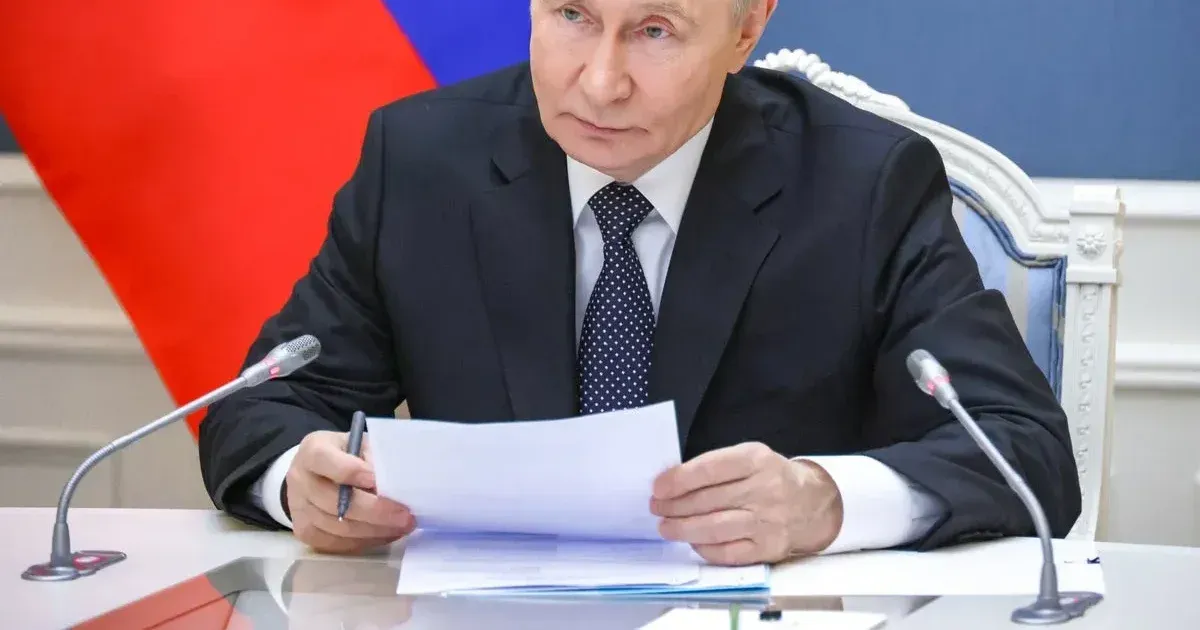
Munitions transport teams used forest roads to move missile canisters on mobile launchers, avoiding primary highways to practice concealment. Vladimir Putin described the activities as a necessary check of the nation's deterrent capabilities. Russian officials stated that personnel practiced the technical aspects of equipping missiles with warheads and dispersing them to designated launch zones. This operation requires precise coordination between the 12th Main Directorate of the Russian Ministry of Defense and Belarusian transport battalions.
Trucks carrying the heavy missile canisters moved under heavy guard through the Minsk region during the final 24 hours of the drill. Security observers noted that the exercise covered land, sea and air components to demonstrate a broader deterrent capability. Submarines operating from Arctic and Pacific ports transitioned to high-readiness states, while crews at several regional airbases scrambled long-range bombers and interceptors. Flight data indicated that several warplanes performed simulated release maneuvers over training ranges in western Belarus.
Strategic Assets Across Land, Sea and Air
Naval forces played a central role in the later stages of the operation. Ballistic missile submarines departed their berths in the Pacific and Northern fleets to conduct silent running drills in deep water. Crews on these vessels practiced firing sequences for submarine-launched missiles, although no live launches occurred during this specific window. The inclusion of northern and Pacific naval assets suggests a broader geographic scope for the drills than previous tactical exercises held in 2024 and 2025.
Airborne assets integrated with the ground-based launchers to create a multi-layered strike simulation. Pilots in Belarus trained on Su-25 aircraft, which have been modified to carry tactical nuclear payloads. These pilots practiced low-altitude approach runs to avoid radar detection before reaching simulated targets. Russian MiG-31 interceptors provided top cover for the transport convoys, ensuring the warheads remained protected during the transit from railheads to storage bunkers.
Putin framed the exercise as defensive readiness rather than an immediate threat of use. His remarks emphasized a doctrine of nuclear signaling intended to deter NATO involvement in regional conflicts. Kremlin officials maintained that the exercises remained within the bounds of international law and existing treaties. While the rhetoric focused on defense, the physical rehearsal of warhead movement into Belarus marks a substantial shift in the security architecture of Eastern Europe.
Regional Security and European Condemnation
European leaders condemned the three-day exercise as a destabilizing move that heightens the risk of accidental escalation. Officials in Brussels and London accused the Kremlin of using its nuclear arsenal to intimidate neighboring states. The European Union released a statement characterizing the drills as irresponsible, particularly the decision to include Belarus as a storage hub. Diplomatic channels remained open, yet tension between Moscow and Western capitals reached a new peak during the warhead transfer phase.
Ukraine responded by increasing security measures along its northern border. Defense officials in Kyiv noted that the use of Belarus as a nuclear launchpad creates a persistent threat to the capital. Border guard units and regular army detachments conducted their own defensive maneuvers in response to the Russian activity. Intelligence reports from Ukraine suggested that infrastructure used in these drills could be repurposed for combat operations with little notice. The proximity of these weapons to NATO borders in Poland and Lithuania forced a reassessment of defense postures in Warsaw and Vilnius.
Logistical records from the exercises show that the Russian military is refining its ability to move high-value nuclear assets across international borders rapidly. Training centered on the loading of munitions onto mobile platforms, a task that requires specialized cranes and climate-controlled containers. Technicians also practiced the encryption of launch codes and the handover of command-and-control protocols between the two allied nations. This level of technical cooperation indicates that Minsk now has a formalized role in Moscow's nuclear planning.
Belarus Deployment Shrinks NATO Decision Time
The forward rehearsal of nuclear warhead movement into Belarus introduces a new layer of volatility into the Eastern European theater. By using a neighboring state as a platform for nuclear exercises, the Kremlin complicates NATO's surveillance and targeting priorities. The strategy forces Western planners to account for nuclear threats originating from multiple geographic directions, rather than just the Russian interior. The integration of Belarusian pilots into the nuclear mission also creates a blurred line regarding command responsibility during a crisis.
Such maneuvers reduce the decision-making time available to Western leaders during a period of heightened alert. The presence of nuclear-capable infrastructure near the Suwalki Gap increases the stakes of any conventional border skirmish. Russia is using these drills to normalize the presence of non-strategic nuclear planning in Central Europe. The shift in the regional balance of power will likely trigger a corresponding increase in NATO surveillance and forward planning. The drills have ended, but the infrastructure for nuclear deployment in Belarus has now been tested through high-level military exercises.