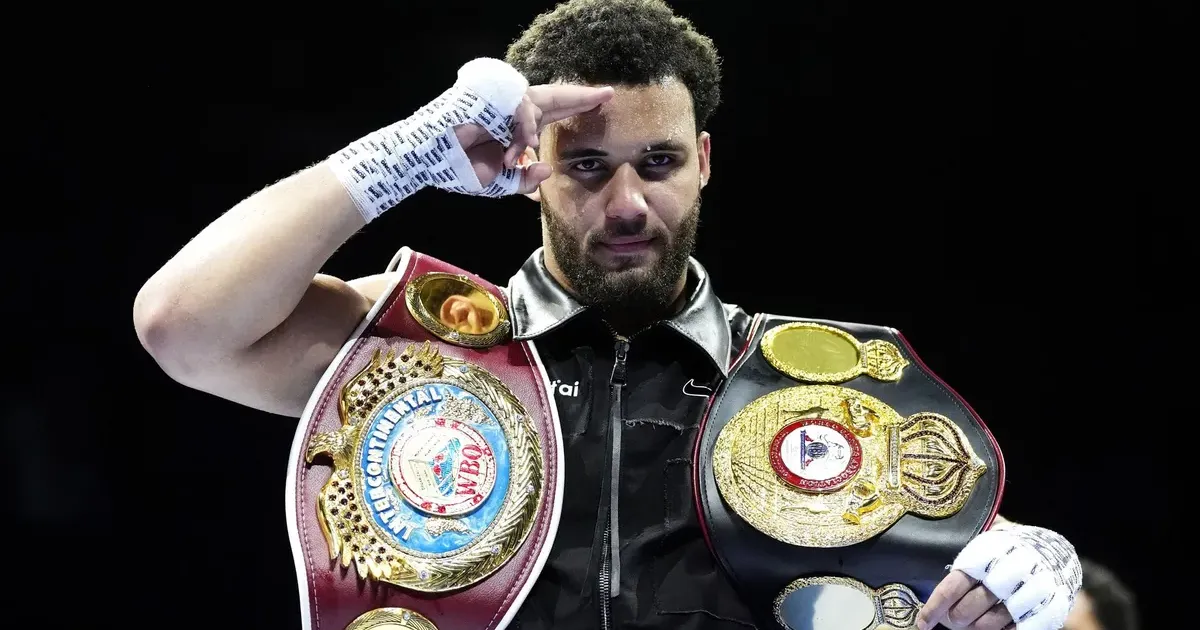
Moses Itauma turned a heavyweight test into a statement by stopping Jermaine Franklin in Manchester. The result matters because heavyweight prospects are judged by speed, control and opponent quality at once. Prospects can rise quickly, but heavyweight matchmaking still decides the pace. The fight took place on March 29, 2026, and the fifth-round finish stood out because Franklin had built his reputation on durability against bigger names.
Franklin had previously gone the distance with Anthony Joshua and Dillian Whyte, which made the matchup a useful measuring stick. Itauma did not just win; he produced the kind of stoppage that changes how a prospect is discussed. The finishing punch was described as a left uppercut, delivered with enough timing and force to end the contest immediately.
Itauma Passed the Durability Test
Young heavyweights are often matched carefully because one bad night can slow a career. Franklin was a logical step because he had experience, size and a record of making elite opponents work. Beating him on points would have been useful. Stopping him was a different message.
Itauma's performance showed patience as well as power. He did not need to chase a reckless finish from the opening bell. He built pressure, found the range and waited for the punch that Franklin could not absorb.
That matters in a division where raw power is common but controlled finishing is rarer.
The Usyk Talk Should Be Managed
Itauma's post-fight ambition reportedly included interest in Oleksandr Usyk. That is natural for a young fighter trying to move quickly, but matchmaking still needs discipline. Calling for the top of the division is not the same as being ready for its tactical demands. Usyk would present movement, feints, angles and championship composure that are far beyond a single durability test. The Franklin win moves Itauma into more serious conversations; it does not eliminate the need for development rounds against varied styles.
The smart path is to raise the level without skipping the lessons that create a complete contender.
Heavyweight Momentum Is Fragile
The victory improved Itauma's market value because heavyweight boxing rewards visible finishes. A knockout in Manchester creates highlights, ticket demand and leverage in negotiations. It also raises expectations immediately. That is where promoters must be careful. A prospect can be damaged by moving too slowly, but he can also be rushed into a fight that exposes gaps before they have been addressed. Itauma's next opponent should test defense, stamina and adaptability, not only punching power.
The editorial read is that Manchester gave Itauma the best kind of result: a clean finish over a credible opponent. The hype is justified, but the next stage should be built like a campaign rather than a sprint. Franklin's reaction also matters for evaluating the win. He was not an opponent with a history of folding under pressure. His value in the division came from forcing prospects and contenders to work, absorb counters and stay disciplined across rounds. Itauma shortening that process gives the result credibility.
The performance also showed why southpaw or angle-based heavyweights can accelerate quickly when their timing is advanced. Franklin had to respect the power, but the knockout came from setup as much as force. Itauma created the lane, closed distance and delivered the uppercut before Franklin could reset his guard. There are still questions to answer. Itauma needs rounds against fighters who clinch, spoil, move laterally or force him to fight at a slower pace. Heavyweight development is rarely linear, and a spectacular finish can hide the quieter tests that build championship habits. Manchester was a major step, not the whole staircase. The business side will now move quickly because heavyweight boxing always needs the next attraction. Broadcasters want names, promoters want urgency and fans want to know whether Itauma is being protected or unleashed. The correct answer is somewhere in the middle. He has earned a better opponent, a bigger stage and more pressure, but he has not earned reckless matchmaking simply because the knockout was dramatic. The Franklin result should buy him respect and leverage. It should not become an excuse to ignore the slow work that separates a contender from a champion.
The crowd reaction in Manchester will help that process because boxing markets respond to moments. Fans remember the punch, the silence before the count and the sense that a young fighter crossed a threshold. The challenge is to turn that memory into a career plan rather than a single viral clip. A measured next step would keep the pressure rising while still asking new questions: can Itauma handle clinches, awkward pacing, late rounds and opponents who refuse to provide clean counterpunching windows? Those tests are not glamorous, but they are the ones that reveal whether the prospect can stay calm when an opponent takes away the clean finish and forces him to solve a slower fight. A future champion needs that patience as much as power under pressure from experienced opponents in later rounds.
The matchmaking question now becomes more important than the knockout itself. Itauma gained credibility by stopping a durable opponent, but heavyweight development can be damaged by moving too quickly after one emphatic result. His team has to find opponents who test stamina, defense and composure without turning a rising prospect into a rushed title-market gamble.