The concert market is being driven by scarcity. Older fan bases are still shaping pricing. Bruce Springsteen and the E Street Band confirmed new ticketing logistics for the highly anticipated Land of Hope and Dreams tour across the United States. By April 4, 2026, ticket listings showed that rarity was driving the live-event market. Fans attempting to secure entry to these performances face a marketplace defined by extreme scarcity and complex pricing structures. Industry analysts note that the tour marks a major return to form for the veteran rock ensemble, with demand outstripping supply in every announced city. Market data indicates that primary ticket platforms have struggled to maintain stability under the weight of millions of simultaneous login attempts. Secondary markets show serious markups on floor seats and VIP packages.
Springsteen has maintained a reputation for lengthy, high-energy performances that draw multi-generational audiences. Prices for the upcoming shows vary by region, though the largest venues have implemented dynamic pricing models that adjust costs based on real-time interest. Some fans reported wait times exceeding four hours in digital queues. Others have turned to verified fan programs designed to reduce the influence of automated scalping software. These programs require pre-registration and do not guarantee a purchase opportunity.
Cost expectations for these shows vary, but early transactions suggest a high floor for entry-level seating. Premium locations near the stage have traded for figures exceeding $1,000 on resale platforms. Budget-conscious fans are looking toward mid-week dates in smaller markets to find more accessible pricing options. Scalping remains a meaningful hurdle for the tour management team.
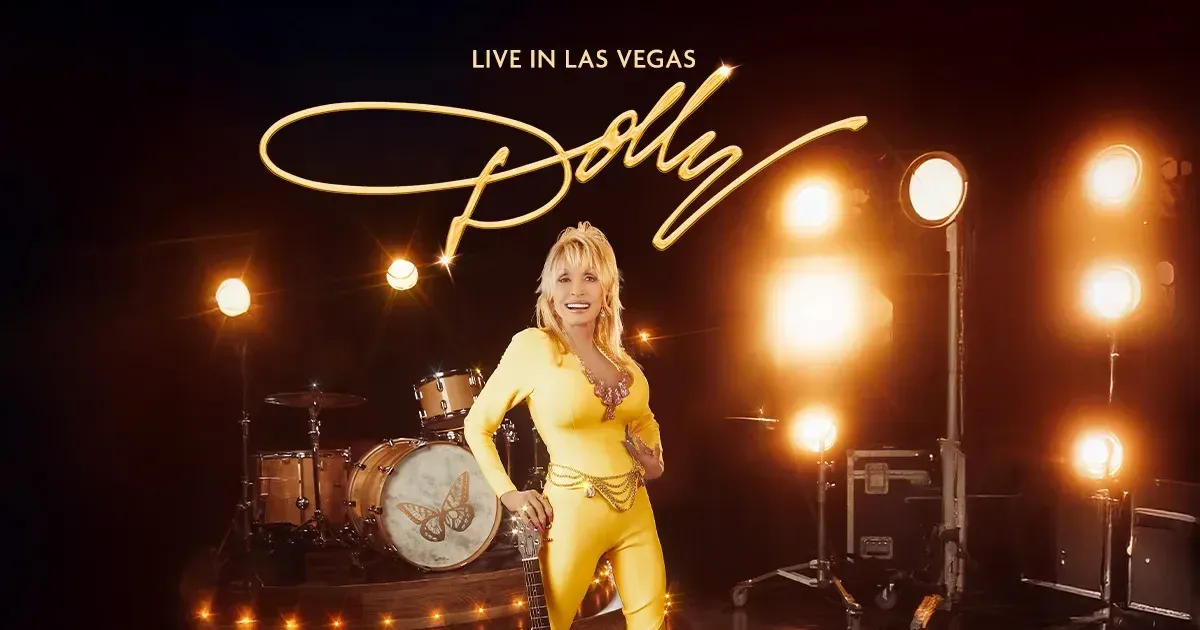
Resale prices for the Parton residency have reached unmatched levels for a country music event in Nevada. Experts attribute this to the rarity of her live appearances and the specific allure of a Las Vegas setting. Security at the venue has been increased to handle the expected crowds during the opening night. Ticket holders must present valid identification that matches the digital record of their purchase to prevent fraud.
Retirement matches historically draw large audiences due to the emotional stakes involved for the athletes. Chisora has spent decades at the top of the heavyweight rankings, and his departure marks the end of a specific era in British boxing. Deontay Wilder provides a dangerous final opponent, known for his punching power and aggressive style. The clash of styles is expected to produce a highlight-reel finish. Analysts suggest that the viewership numbers could break records for a non-title heavyweight bout.
Market Volatility in Premium Live Entertainment
Live events in 2026 are increasingly treated as luxury assets rather than standard recreational activities. The convergence of Springsteen's tour, Parton's residency, and a high-stakes boxing match illustrates the consolidation of fan spending around elite-tier talent. Mid-level artists find it more difficult to compete for consumer dollars when top-tier acts command such a high percentage of the market. Venue costs and insurance premiums have also contributed to the rising price of admission across all genres.
Streaming technology has changed the way fans interact with combat sports, but it has not replaced the desire for in-person attendance at music concerts. Data from the first quarter of 2026 shows a 15% increase in live entertainment spending compared to the previous year. This growth is driven largely by the high-profile nature of the current touring cycle. Investors in the entertainment sector are closely watching the performance of these major events to gauge future market health. Springsteen's success remains an indicator for the industry at large.
Venue size is also shaping the sales pattern. Large arenas allow more price tiers, while smaller rooms make scarcity visible almost immediately.
Promoters are watching the resale market closely because a high face-value ticket can still look cheap once secondary listings accelerate.
Live Acts Keep Ticket Demand High
The live market remains strongest when the bill feels rare. Springsteen, Parton and a retirement fight all give fans a reason to accept higher prices, but resale fees and travel costs still shape how far that demand can stretch.