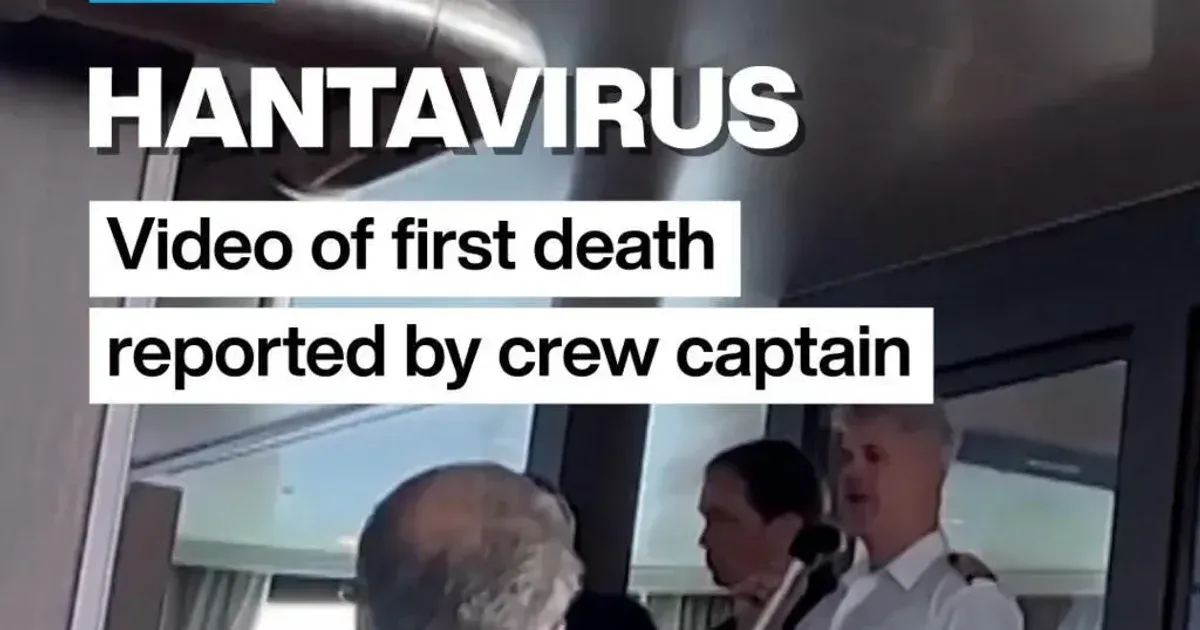
The MV Hondius health response has moved from shipboard isolation to passenger tracing. Public health teams are trying to identify who may have been exposed before and after evacuation steps. Hantavirus is unusual in a cruise setting, so officials are being careful with language. The tracing effort also has to account for international passengers who may already be in different jurisdictions. The status update on May 7, 2026, kept the focus on medical monitoring rather than broad public panic. As of May 7, 2026, health officials are tracing passengers from the MV Hondius after a hantavirus cluster linked to the expedition cruise ship caused multiple deaths and raised questions about who may have been exposed. The World Health Organization has assessed the wider public health risk as low, but authorities are still working through passenger lists, flight details and close-contact records. That distinction shapes the response: health agencies are not warning the public to avoid travel generally, but they are trying to find people who may need symptom monitoring or testing.
The ship left Ushuaia, Argentina, on April 1 and traveled through remote South Atlantic stops before the illness was reported to international health authorities. That route complicates tracing because passengers may have crossed borders, changed flights or returned home before officials understood the possible exposure window. WHO said it was notified on May 2 of a cluster of severe acute respiratory illness, including deaths and a critically ill passenger. Since then, national authorities, the ship operator and island health teams have been sharing information under international health rules because the itinerary crossed multiple jurisdictions.
That combination has made the response urgent without making it a general pandemic alert. The public-health challenge is to move fast for the right group of people without creating fear among travelers who had no meaningful exposure. Hantaviruses are usually linked to exposure to infected rodents or contaminated dust, not routine casual contact in the way respiratory viruses spread.
Passenger Tracing After St. Helena Stop
Officials are focusing partly on passengers who disembarked at St. Helena before the full situation was understood. St. Helena officials have issued updates because the ship visited the island before the suspected cluster had been fully assessed. The island government said the wider community risk remained low and that no extra precautions were required for the general public, while health teams continued to identify close contacts.
Some passengers and crew later traveled through multiple jurisdictions, creating a contact-tracing task that spans islands, airports and national health agencies. That does not mean every traveler is considered high risk. Public health investigations work by narrowing the circle, separating casual proximity from the kind of close contact or shared environmental exposure that can justify monitoring. Public health teams are prioritizing people with close or prolonged exposure to confirmed or suspected cases. That includes people who shared cabins, provided care, traveled closely with sick passengers or may have been present during higher-risk environmental exposures.
The ship's operator and health authorities have provided manifests and medical information to support that work. The aim is to find people who may develop symptoms during the incubation period and ensure they know when to seek medical care. Early recognition matters because severe hantavirus illness can deteriorate quickly once respiratory symptoms begin.
What Hantavirus Risk Means
Hantavirus can cause severe disease, including hantavirus pulmonary syndrome in the Americas. Symptoms may begin with fever, muscle aches and fatigue before progressing to breathing difficulty in severe cases. The seriousness of the illness explains why deaths aboard or linked to the voyage drew rapid attention. Severe cases can require intensive respiratory support, which is difficult to provide on a small expedition vessel far from major hospitals. Expedition vessels are also harder to manage medically because evacuation options depend on distance, weather, port access and the availability of specialist care ashore.
At the same time, WHO has stressed that the risk to the wider public remains low. Most hantavirus infections occur through contact with rodent urine, droppings or saliva, often when contaminated material becomes airborne. Sustained person-to-person spread is not the normal pattern, although some South American hantavirus strains have shown limited transmission among close contacts.
That nuance is important. The MV Hondius situation warrants tracing, isolation guidance and medical monitoring, but it should not be described as a COVID-style global threat. Health officials are managing a serious cluster, not evidence of broad community spread. That balance is central to public messaging right now too, especially for travelers awaiting official guidance. That is why official guidance has focused on tracing, isolation when appropriate and public reassurance rather than broad restrictions.
Unclear Source of Exposure
Investigators are still examining how the virus reached passengers. Some reports have focused on a possible shore excursion or birdwatching visit near a landfill in Argentina, where rodent exposure could have occurred. That remains a suspected route, not a settled conclusion.
Determining the source matters because expedition cruises often visit remote environments where travelers may encounter wildlife, contaminated structures or dusty areas. A clear source would allow operators to adjust shore rules without treating every itinerary as unsafe or discouraging responsible expedition travel entirely. If investigators confirm a shore-based exposure, operators may need clearer guidance for excursions in regions where hantavirus circulates. That could include stricter site screening, warnings about dusty enclosed areas and instructions for avoiding rodent-contaminated material during wildlife stops.
For now, medical teams are focused on identifying cases, monitoring contacts and sharing information with the next ports. The earlier reports of MV Hondius hantavirus deaths remain part of the same public-health picture: a severe but contained cluster that requires careful tracing rather than alarmist assumptions.