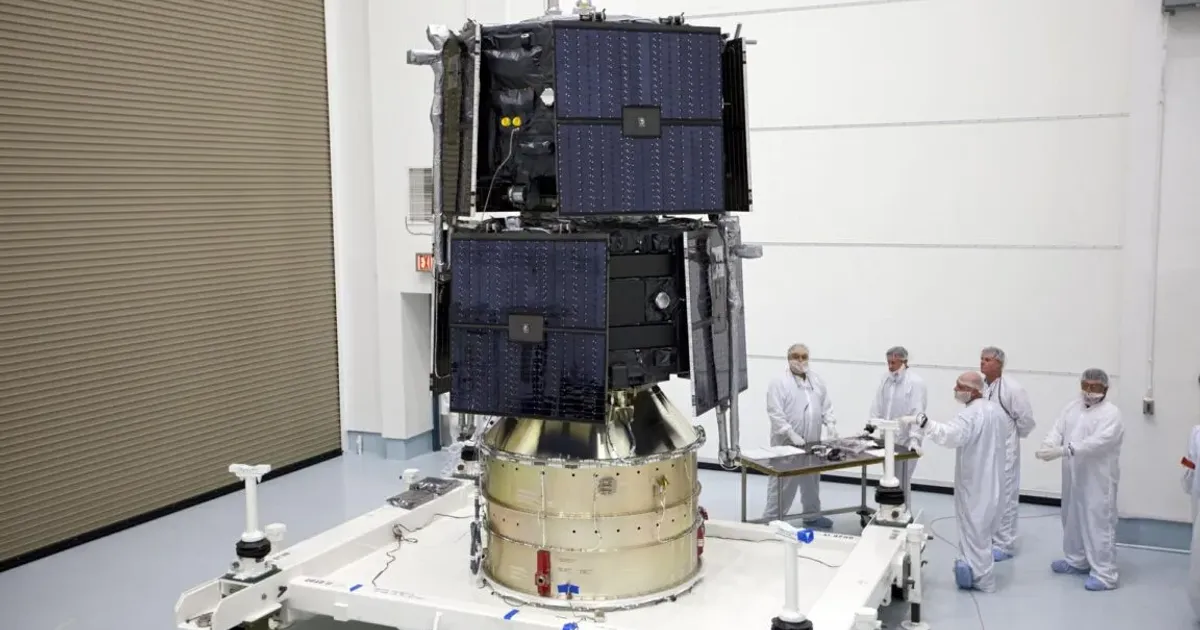
Falling satellite risk is usually described with probabilities so small that the public is expected to ignore them. This case is different because NASA accepted a risk high enough to demand clearer explanation. By March 10, 2026, NASA reentry planning had become a public-safety story rather than a routine orbital footnote.
Risk Has to Be Understandable
Public safety warning language cannot be written only for engineers. People need to know what may fall, when the reentry window is expected, which regions are most likely to be affected and what to do if debris is found. Abstract odds may be technically accurate, but they are not always practically useful.
Orbital Traffic Is Growing
The larger issue is that more satellites are going up, more hardware is aging and reentry events will become more common. Space agencies and commercial operators need stronger norms around controlled disposal, materials that burn up reliably and transparent risk thresholds. The public should not be asked to accept avoidable risk simply because space debris has historically been treated as remote. Reentry risk sounds abstract until officials attach a probability to human injury. NASA can argue that the odds are acceptable, but the public still deserves a clear explanation of how the risk was calculated and why alternatives were rejected. The satellite case also points to an aging-orbit problem. More hardware is being launched, more missions are reaching end of life and the rules for disposal are still catching up. A low probability event repeated often enough eventually becomes a governance issue.
The communication challenge begins before reentry. Officials should provide plain-language updates that describe the object, the uncertainty window and the practical advice for people who may encounter debris. Telling the public that the odds are low is not enough when the accepted risk is higher than usual.
Commercial space companies are part of the same problem. As more hardware enters orbit, disposal plans cannot be treated as paperwork filed at launch and forgotten until failure. Regulators need enforceable standards for controlled reentry, passivation and mission-end responsibility.
The public also needs clarity on liability. If debris damages property or injures someone, the chain of responsibility should not depend on a confusing fight between agency, contractor and insurer. Trust in space activity will suffer if risk is socialized while accountability is treated as technical fine print.
Emergency managers also need usable information. A broad reentry window across large regions may be scientifically honest, but local agencies still have to decide whether to prepare call centers, public notices or debris response plans. Space risk becomes local the moment a fragment reaches the ground.
That preparation should include what not to do. Residents should not touch strange debris, move it for photos or assume a fragment is harmless because it looks small. Clear warnings can prevent curiosity from becoming the final risk in a reentry event.
Space agencies also need to explain why controlled reentry was not available if that is the case. Technical limits may be real, but they should be stated plainly. The public is more likely to accept residual risk when officials admit the constraints instead of hiding behind probability language.
Accountability After Reentry
The severe conclusion is that a falling satellite is not just a physics problem. It is a governance problem. If debris survives and causes damage, responsibility should be clear before the impact, not negotiated afterward. NASA can maintain trust by explaining the risk plainly and showing how future missions will reduce it.