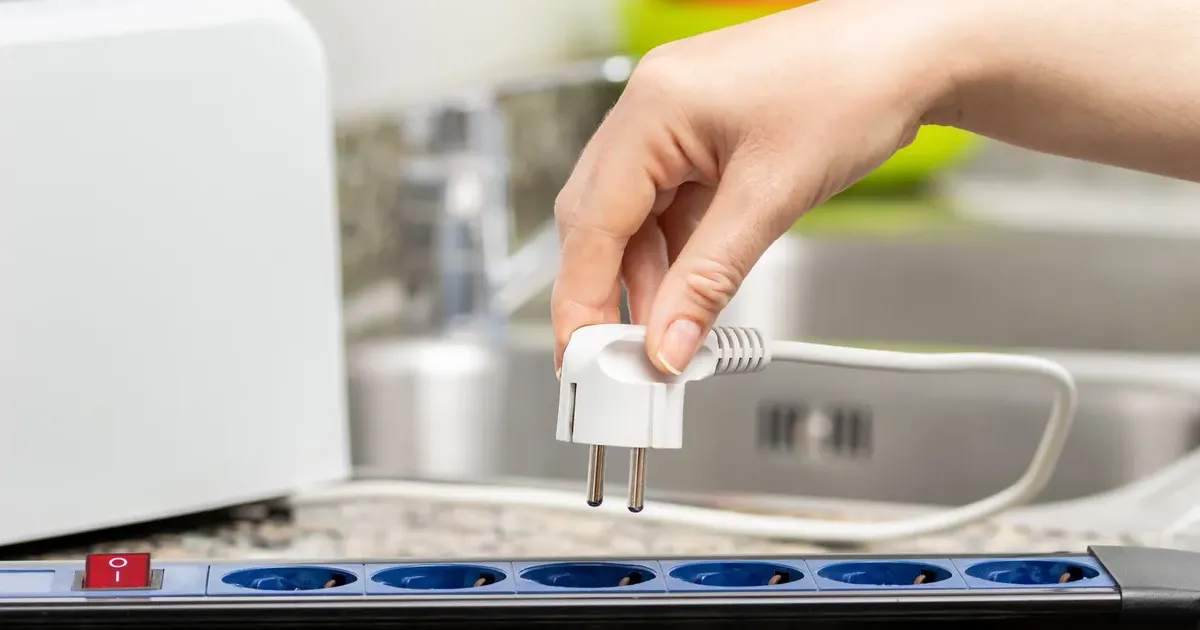
National Fire Protection Association investigators released a report detailing how kitchen power strips can contribute to catastrophic electrical fires in modern residential properties. By April 5, 2026, the warning had become a practical reminder that kitchen convenience can outrun household electrical design. Most homeowners view these plastic multi-outlet devices as convenient extensions of their wall infrastructure. Such a perception overlooks the fundamental limitations of the internal wiring found within typical consumer-grade surge protectors. Kitchens harbor the highest concentration of high-wattage machinery in any standard household. These environments demand direct connections to high-capacity wall outlets rather than the thin-gauge copper strips found inside portable power taps. Electrical engineers note that a standard kitchen circuit handles roughly 20 amperes. Plugging multiple heating elements into a single strip exceeds this capacity instantly.
Risk factors increase when users fail to distinguish between a basic power strip and a heavy-duty surge protector. Internal components in cheaper models lack the thermal shielding required to manage sustained current draws from large appliances. Resistance builds within the power cord of the strip when a heavy load persists. This heat eventually melts the plastic insulation. Smoldering copper then sparks nearby flammable materials like paper towels or wooden cabinetry. Fire marshals frequently discover the charred remains of power strips at the origin of residential blazes. Statistics from 2025 indicate that electrical malfunctions contribute to roughly 13% of all home fire deaths. Overloaded power taps represent a significant portion of those preventable incidents.
Electrical Load and Resistance Heating Mechanics
Power strips generally possess a maximum rating of 1,800 watts for the entire unit. A single high-end toaster or an air fryer often consumes 1,500 watts independently. Plugging a coffee maker into the same strip pushes the total demands well beyond the safety threshold. Circuit breakers in the main electrical panel might not trip immediately if the strip is the weak point in the system. The power strip cord acts as a fuse that fails to blow. Instead of cutting the power, the wire glows red hot. Heat transfers through the plug into the wall outlet itself. Structural damage begins before smoke becomes visible to the occupants.
"People often treat power strips like permanent extensions of their home wiring, but these devices are strictly for temporary, low-power electronics," said Lorraine Carli, Vice President of Outreach and Advocacy for the National Fire Protection Association.
Wiring gauge determines the safety of any electrical conductor. Most inexpensive power strips use 14-gauge or even 16-gauge wire. These thin strands cannot dissipate the heat generated by the high amperage required for kitchen motors and heating coils. Refrigerators require a heavy surge of power to start their compressors. This initial draw can overwhelm the delicate circuitry of a surge protector. Continuous operation of a refrigerator on a power strip leads to cumulative thermal stress. The compressor may also fail prematurely due to voltage drops across the extension cord. Dedicated circuits are the only safe option for refrigeration units.
High Wattage Appliances and Circuit Breaker Limits
Air fryers and countertop ovens have surged in popularity over the last decade. These devices rely on powerful heating elements and high-velocity fans to cook food quickly. They pull near-maximum capacity from a standard 15-amp circuit. When these appliances share a power strip with a microwave, the combined draw creates a hazardous environment. Microwaves use high-voltage transformers that create substantial electrical noise and heat. Power strips are not designed to filter or withstand the rhythmic surging of these heavy kitchen tools. Damage occurs slowly over months of repeated use. Connections inside the strip loosen due to thermal expansion and contraction.
Loose connections generate arcs of electricity. Arcing produces temperatures exceeding 3,000 degrees Fahrenheit. No plastic casing can contain that level of thermal energy. Manufacturers of high-wattage appliances explicitly forbid the use of extension cords or power strips in their user manuals. Warranty claims are frequently denied when investigators find evidence of power strip usage. Insurance companies also scrutinize these connections during fire investigations. Negligence regarding manufacturer warnings can lead to the denial of a homeowner insurance claim. Direct wall plugging is a legal and safety requirement for most kitchen hardware.
Underwriters Laboratories establishes the testing protocols for electrical devices sold in North America. A UL listing on a power strip does not mean it is safe for all applications. Certification is specific to the intended use case. Most strips are rated for light-duty electronics like lamps, computers, or phone chargers. Testing for these devices does not include the sustained 15-ampere draw of a dishwasher or a large toaster oven. Consumers often assume the presence of a UL sticker guarantees universal safety. This misunderstanding leads to the dangerous "daisy-chaining" of multiple power strips. Connecting one strip into another increases resistance rapidly. It creates a fire hazard that bypasses built-in safety features.
Fire Prevention Strategies for Modern Kitchens
Electricians recommend a thorough audit of kitchen power layouts every few years. Updating an older home to include more wall outlets is a costly but necessary investment. Modern building codes require 20-ampere circuits in kitchens for a reason. These circuits use thicker 12-gauge wire behind the walls to handle heavy loads. Using a power strip effectively downgrades a modern 20-ampere circuit to a 15-ampere or 10-ampere capacity. It creates a bottleneck that generates heat. If an appliance cord cannot reach a wall outlet, the kitchen layout needs a professional redesign. Relying on a five-dollar strip to power a five-hundred-dollar espresso machine is a dangerous imbalance.
Regularly inspect the plugs of kitchen appliances for signs of charring or soot. If a plug feels hot to the touch after the appliance runs, the connection is failing. Wall outlets can also wear out over time. A loose outlet creates high resistance and heat. Replacing an old outlet costs less than twenty dollars. The simple maintenance task prevents the need for a power strip by ensuring a secure and efficient connection. Safety must outweigh convenience in high-risk zones like the kitchen. Knowledge of appliance wattage ratings helps homeowners make informed decisions about their electrical habits.
Kitchen Power Warning Focuses on Everyday Risk
The NFPA warning is practical because kitchen power mistakes are ordinary and repeatable. Heat-generating appliances should go directly into rated wall outlets, not into overloaded strips or daisy chains.