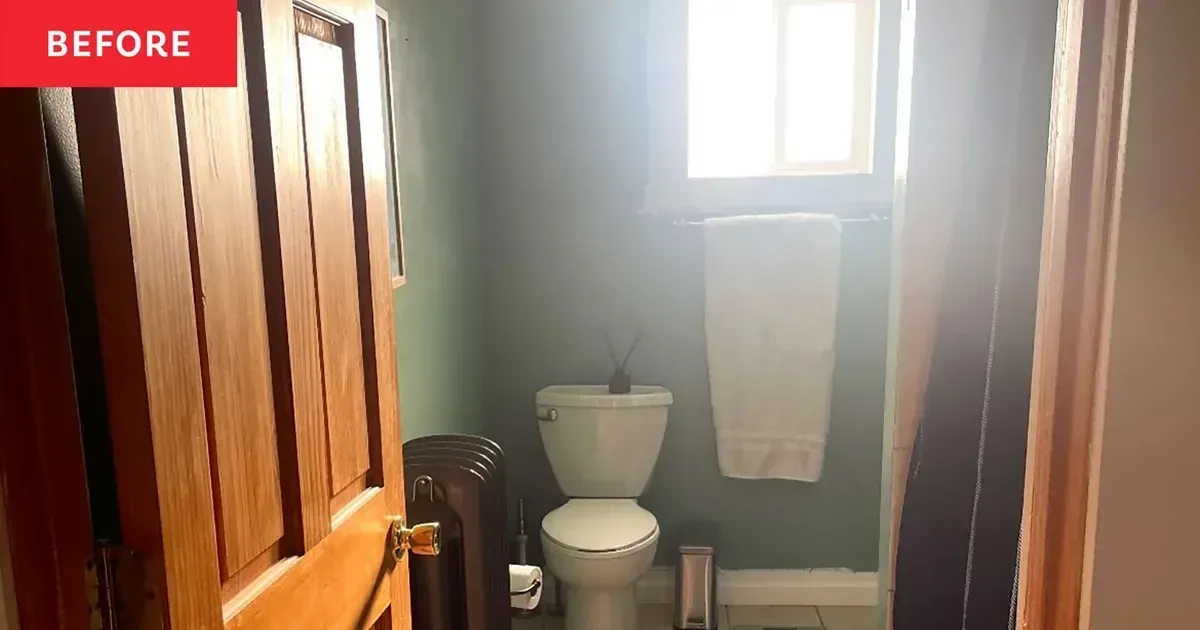
Apartment Therapy researchers published findings that suggest a meaningful shift in domestic sanitation priorities. Homeowners are increasingly ditching commercial products in favor of simple acids like citric acid or vinegar to maintain ceramic fixtures. The change reflects cost pressure, chemical concerns and a growing preference for targeted cleaning routines. Those routines are also moving into bedding, grout and fixture maintenance. The April 5, 2026 findings framed natural solvents as practical tools rather than niche wellness advice.
Chemical residues from standard blue-disk toilet cleaners frequently erode internal rubber gaskets. Replacement parts for these tank systems now cost far more than they did three years ago. Consumers prioritize longevity of hardware over the convenience of automatic dispensers. Citric acid powder, when left in the bowl for several hours, dissolves calcium deposits and lime scale through a simple chemical reaction. This method eliminates the need for manual scrubbing while preserving the integrity of the porcelain surface. Traditional scrubbing sponges often leave microscopic scratches where bacteria later spread.
Citric acid remains a top choice for those avoiding synthetic fragrances. Sales of bulk food-grade powders rose 14 percent in the last quarter. Household budgets continue to shrink, forcing a return to cost-effective pantry staples for deep cleaning tasks.
Chemical Elimination in Modern Bathroom Sanitation
Restoring a bathroom to its original state often requires mechanical rather than purely chemical intervention. Many homeowners discover that their bathrooms do not actually need expensive renovations to look pristine. Stained showers frequently suffer from mineral buildup that traps dirt beneath a calcified layer. Applying a focused acidic paste can strip these layers away, revealing the original tile beneath the grime. Most residential bathrooms accumulate soap scum that resists standard household sprays. A mixture of dish soap and vinegar creates a surfactant that breaks the molecular bond between the scum and the tile.
Professional contractors charge upwards of $10,000 for basic bathroom remodeling projects in major metropolitan areas. High labor costs drive residents toward do-it-yourself restoration techniques that target specific problem areas. Replacing stained grout or applying a fresh bead of silicone caulk changes the visual profile of a room for under fifty dollars. These interventions prevent water from seeping behind walls where mold thrives. Keeping the original layout saves on plumbing permits and architectural fees.
"I can skip the harsh cleaners and scrubbing because natural acids handle the mineral bonds effectively," according to a maintenance specialist at Apartment Therapy.
Steam cleaners offer another alternative to bleach-based products by using heat to kill 99.9 percent of common household germs. High-temperature vapor penetrates porous grout lines where liquid cleaners fail to reach. This technology was once reserved for hospital settings but has become accessible to the general public. Modern steamers use only distilled water, making them safe for households with pets or small children. Initial equipment costs are offset by the lack of recurring chemical purchases.
Structural Restoration Through Targeted Cleaning
Restoration projects like the ones overseen by Beth F demonstrate that aesthetic failure is often just a surface-level issue. Older showers with discolored bases often respond well to professional-grade pumice stones or specialized acidic gels. Applying these products requires patience and specific safety gear like gloves and ventilation masks. Success depends on identifying whether the stain is organic or mineral-based. Organic stains require oxidation, while mineral deposits require acidity for neutralization. Incorrect identification leads to wasted effort and potential damage to the stone.
Ventilation is a critical factor in maintaining a clean bathroom environment over the long term. Many older homes lack adequate exhaust fans, leading to persistent humidity. High moisture levels encourage the growth of black mold in hidden corners and behind tiles. Upgrading a bathroom fan to a higher cubic feet per minute rating reduces the frequency of deep cleaning required. Modern sensors can even trigger the fan automatically when humidity levels reach a certain threshold. Airflow is the most effective preventative measure against structural decay.
Grout pens and epoxy coatings offer a middle ground between cleaning and remodeling. These products seal the porous cement between tiles, making it waterproof and stain-resistant. Applying a fresh layer of white or grey epoxy can make a twenty-year-old floor look new in a single afternoon. Results depend entirely on the thoroughness of the initial cleaning phase. Any dust left behind will prevent the epoxy from bonding to the surface. Professional painters recommend using an alcohol-based cleaner before application.
Home Cleaning Tradeoff
Domestic life is undergoing a forced simplification that has nothing to do with minimalism and everything to do with economic survival. The surge in cleaning hacks and no-reno DIY strategies is the desperate response of a middle class priced out of professional services. When a simple bathroom remodel costs as much as a compact car, people start looking for magic in a bag of citric acid. The trend is a symptom of a broader breakdown in the service economy where specialized labor has become a luxury good. The record confirms the death of the professional handyman as homeowners are forced to become their own plumbers, tilers, and janitors.
Commercial cleaning companies should be terrified by the effectiveness of these natural alternatives. For decades, the chemical industry sold the public on the idea that cleanliness required complex, toxic formulas. The realization that vinegar and baking soda perform just as well exposes a large marketing fraud that has lasted generations. It is not just about saving money; it is about reclaiming agency from corporations that have over-complicated the basic act of living. Expect to see a wave of green-washing as major brands try to repackage simple acids into expensive, branded bottles.