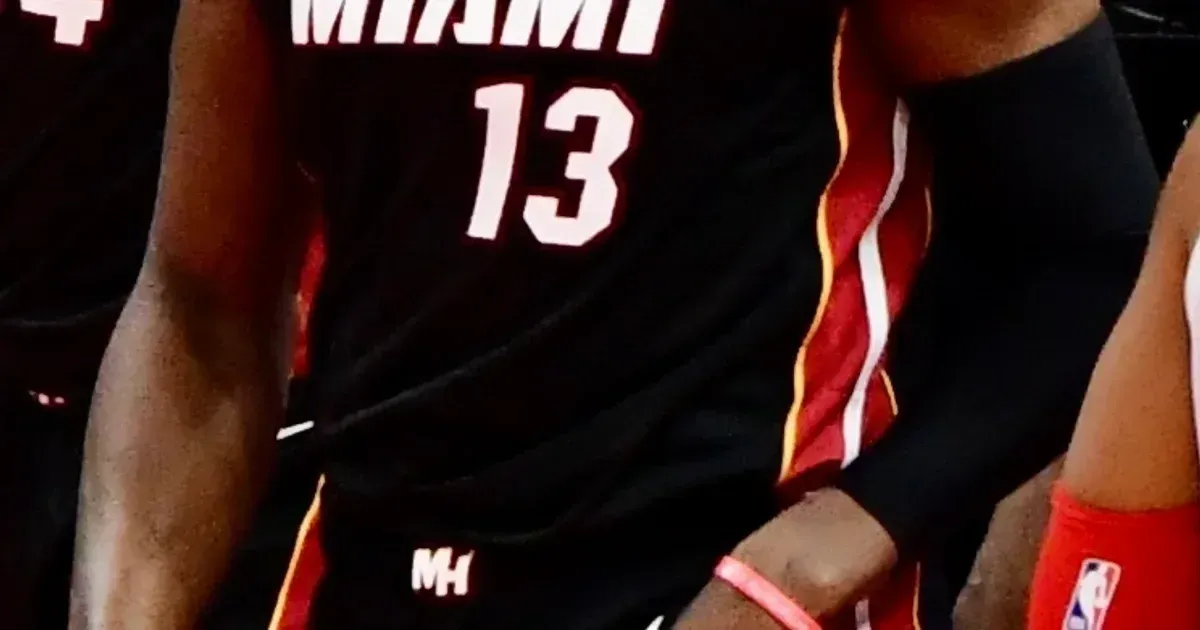
LaMelo Ball's collision with Bam Adebayo turned into a discipline problem for Charlotte. On April 16, 2026, the NBA issued dual disciplinary action against the Hornets guard after the play sidelined the Miami Heat center. League officials finalized the decision after reviewing video evidence of a fourth-quarter drive where Ball made contact with the landing zone of the Heat star. Disciplinary records indicate the punishment includes both a large financial penalty and a multi-game suspension without pay. Evidence suggested that the nature of the closeout crossed the threshold from standard basketball play into reckless endangerment.
NBA Issues Double Punishment for Hornets Star
Basketball operations executives issued the rare double penalty to address what they described as an avoidable injury scenario. League discipline usually targets either a fine or a suspension, but the severity of the outcome for Bam Adebayo prompted a more aggressive stance from the front office. Ball must pay a fine totaling $50,000 in addition to missing the next three scheduled games for the Charlotte Hornets. Financial impacts of the suspension will cost the guard several hundred thousand dollars in prorated salary. Officials in New York emphasized that protecting players in vulnerable positions remains a priority for the current administration.
Critics of the decision pointed toward the lack of initial blatant foul calls during the live game. Referees on the floor did not whistle the play as a malicious act at the time of the impact. Video review conducted in the following hours showed Ball moved his feet into the space where Adebayo was returning to the floor after a contested jumper. Medical staff for the Miami Heat confirmed that their starting center suffered a grade two ankle sprain during the sequence. Recovery timelines for such injuries typically span three to six weeks depending on the response to physical therapy.
The decision also puts Charlotte in a difficult basketball position. Ball remains the club's primary creator, and even a short absence changes how the Hornets handle late-clock possessions. Miami, meanwhile, can point to Adebayo's injury risk as evidence that the league needed a firm response.
That context is why the punishment matters beyond one collision. The NBA has spent years telling defenders to protect a shooter's landing space, and officials now have to apply the same standard when a star guard creates dangerous contact on a drive. The ruling gives referees, coaches and players another example of where competitive force ends and avoidable risk begins. It also leaves Ball with a narrower margin for argument if another incident puts his judgment before the league office again, especially while Charlotte is trying to protect late-season continuity without losing its best creator.
Discipline Debate Around Ball
The double punishment raises a legitimate question about whether the NBA is judging intent, outcome or both. A liability-based approach can make the severity of an injury a major factor even when officials did not call the play malicious in real time.
Charlotte bears the competitive cost because losing its primary creator narrows an already small margin for error. Miami, meanwhile, can argue that protecting a player’s landing space requires consequences strong enough to change behavior.
The league now has to apply the same standard consistently. Contact, intent and injury should be evaluated under a predictable framework so that players understand where competitive force ends and punishable risk begins.