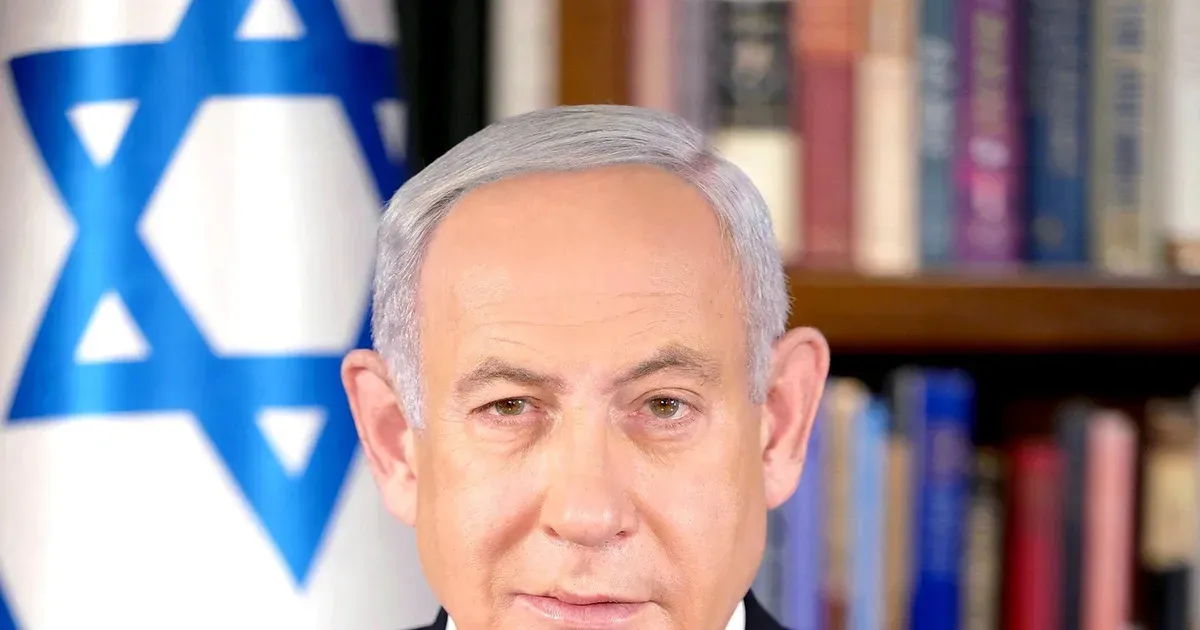
Benjamin Netanyahu said Israeli strikes killed Iranian nuclear scientists, a claim that moves the confrontation with Tehran into a more dangerous phase. The statement did more than confirm an operation. It signaled that Israel is willing to attack the human infrastructure behind Iran’s nuclear program while diplomacy remains stalled. The report was published March 13, 2026. That timing matters because enrichment warnings, failed proposals and regional military alerts are now converging.
Targeting scientists is not new in the shadow conflict between Israel and Iran, but open political ownership changes the temperature. Israel has usually preferred ambiguity after operations inside Iran. A direct claim gives supporters a sense of deterrence, yet it also gives Tehran a clearer public reason to retaliate.
Assassination Strategy Carries Limits
The logic behind such strikes is straightforward. If a program depends on specialists, removing them can slow research, disrupt management and create fear inside the technical community. The weakness is equally clear. A nuclear program is not one laboratory or one person. It is a state project with institutions, replacement networks and political incentives that can harden after an attack.
Iranian officials are likely to frame the dead scientists as martyrs and use the strikes to justify tighter security around Natanz, Fordow and related facilities. That message can work domestically even if the operation causes real technical delays. In that sense, Israel may gain time while Iran gains a new mobilizing story.
Iran nuclear enrichment remains the central issue. Western officials have focused on uranium enriched near 60 percent, which is below weapons grade but far beyond ordinary civilian power needs. Tehran rejects the accusation that it is seeking a bomb, but the technical margin between high enrichment and breakout capability keeps the dispute alive.
Diplomacy Narrows After the Claim
Iranian diplomats say they offered legal assurances against nuclear weapons in exchange for sanctions relief. Washington and its allies remain skeptical because legal language without intrusive verification would not settle the breakout question. The sides are not only arguing over promises. They are arguing over sequencing, access and trust.
That is why the strike claim lands so heavily. Negotiators can sometimes work through hostile rhetoric, but targeted killings make compromise more politically expensive. Iranian leaders risk appearing weak if they return quickly to talks. Israeli leaders risk criticism at home if they allow negotiations to proceed without visible restrictions on Iran’s program.
Netanyahu said the strikes targeted figures tied to Iran’s nuclear program.
Regional Fallout Is the Larger Risk
The most immediate danger is not a formal declaration of war. It is a chain of calibrated responses that becomes impossible to manage. Iran can act through missile units, cyber operations or allied groups in Lebanon, Syria, Iraq and Yemen. Israel can answer through further covert action or overt airstrikes. Each step may be designed as limited, yet the cumulative effect can widen the conflict.
Gulf states are watching with particular caution. Many share Israel’s fear of a nuclear-armed Iran, but they also have energy infrastructure, ports and airports within range of Iranian systems. A regional government may support pressure on Tehran in principle while fearing the economic cost of escalation in practice.
Energy markets will read the confrontation through the Strait of Hormuz. Even without a closure, higher insurance costs and tanker caution can raise prices. If shipping disruption combines with missile alerts and failed diplomacy, the nuclear issue becomes a household cost issue far from the Middle East.
Strike Claim Leaves No Easy Off-Ramp
Israel’s claim suggests a strategy built on delay, deterrence and pressure. That strategy can produce tactical success, especially if it damages expertise that is hard to replace. It cannot by itself answer the political question of what Iran will accept, what Washington can verify and what regional states can survive economically.
The crisis is now less about a single strike than about the absence of a trusted off-ramp. If Tehran accelerates enrichment in response, Israel may see the attack as proof that more force is needed. If Iran pauses, it may demand sanctions relief that Washington is unwilling to provide. Either path leaves the region exposed to miscalculation.
The practical measure of this moment will be whether back-channel diplomacy can continue while public threats rise. Without that channel, the death of scientists becomes one more step in a conflict where every side claims necessity and no side can easily stop. The strategic pressure also falls on Washington. American officials have to decide whether to back Israeli disruption tactics, distance themselves from them or use the moment to force a narrower diplomatic channel. Each option carries a cost. Backing Israel too openly may strengthen Iran's case that negotiations are a trap. Creating distance may weaken deterrence. Pushing talks too quickly may look unrealistic while funeral processions and retaliation threats dominate Iranian politics. That is why crisis management now depends on sequencing as much as principle. Inspectors, sanctions officials, military planners and Gulf diplomats all need room to work before the next strike narrows the choices again.
The deeper risk is that both sides start measuring success in delays and punishment rather than in a final settlement. A delayed program can still become a more determined program, and a punished state can still find ways to make the region less stable. A further complication is the role of international inspectors. Their access becomes more valuable after a strike, not less, because outside verification is one of the few tools that can separate technical reality from wartime messaging. If inspectors are restricted, every government will lean harder on intelligence claims that rivals reject. If access continues, the diplomatic channel retains at least one shared reference point. That is why the next phase will be judged by monitoring arrangements as much as by public threats. The crisis can still be contained, but only if the parties preserve a way to measure facts before they argue over consequences.
That leaves allies with an uncomfortable role. European governments may support pressure on Iran but still fear a cycle that removes diplomacy from the table. Gulf governments may welcome limits on Tehran but fear becoming the battlefield for retaliation. The strike claim therefore creates unity around concern, not necessarily around strategy.