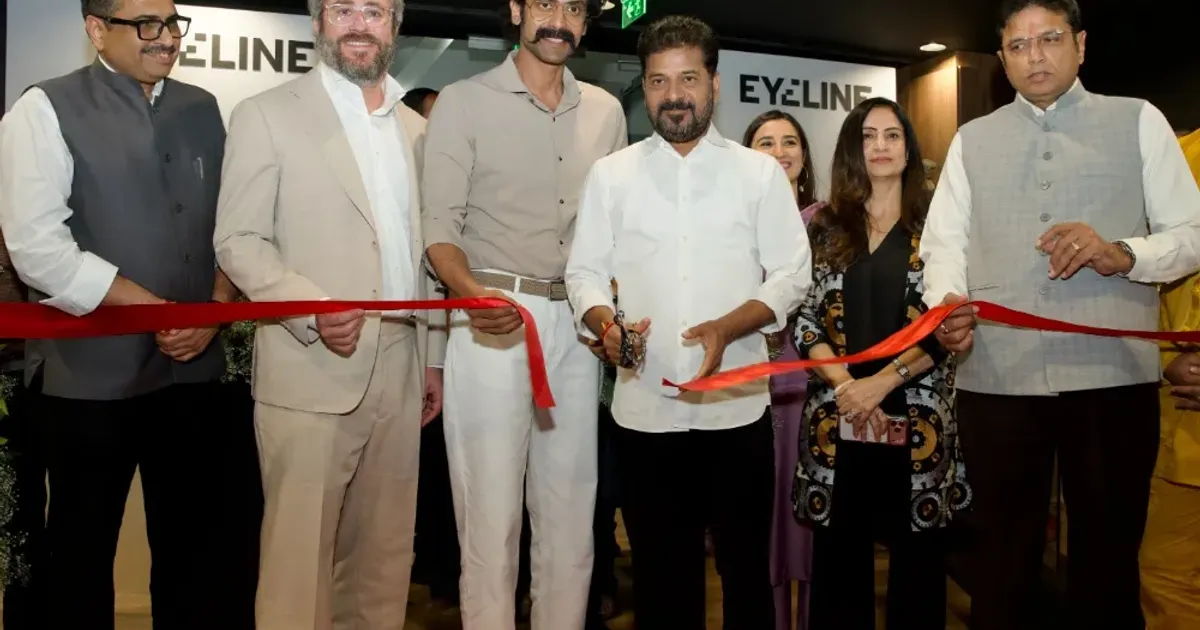
Netflix has opened Eyeline Studios in Hyderabad, deepening its bet that India can serve as both a creative market and a technical production base. The March 24, 2026 launch gives the company a stronger presence in one of India's major technology corridors and connects streaming content more directly with visual-effects, animation and post-production talent. The move is about more than local prestige. Global streamers need faster production pipelines, lower friction across time zones and access to skilled artists who can work on projects for several markets at once. Hyderabad offers that mix in a city already shaped by software, media services and international outsourcing.
Why Hyderabad Matters
Hyderabad has become a major hub for technology companies, film production support and digital services. For Netflix, that environment can shorten the distance between engineering, visual effects and content delivery. A studio presence also helps the company compete for artists who might otherwise work for gaming, advertising or global effects vendors. Eyeline Studios gives Netflix a more integrated way to manage virtual production and advanced post-production. The company can use the facility on Indian originals while also supporting international titles that need effects work, previs or digital environments. India is also a critical subscriber market. A production footprint can help Netflix show commitment to local storytelling while building infrastructure that serves the wider company. That dual purpose makes the Hyderabad site strategically useful.
Streaming Needs Production Discipline
The streaming business has moved from growth-at-any-cost to tighter spending and clearer returns. A studio investment therefore has to justify itself through efficiency, quality and repeat use. If Eyeline can support multiple projects across genres, the economics become stronger than a one-off prestige facility. The facility may also help Netflix respond to a global shortage of high-end production capacity. Visual effects and animation schedules can become bottlenecks, especially when major studios compete for the same vendors. In-house or closely integrated capacity gives a streamer more control.
India Gains Leverage in the Content Chain
For India, the opening reinforces a shift from being only a consumer market to being a production partner in global entertainment. Local crews, artists and technical specialists can gain exposure to international workflows, while domestic stories may benefit from better tools and training. The risk is that global demand can also pull talent away from smaller local productions. If wages rise sharply in premium streaming work, independent producers may struggle to compete. That tension is common in cities that become international production hubs.
Netflix is betting that the benefits outweigh the strain. Hyderabad gives the company scale, talent and a foothold in a market where content, technology and language diversity meet. The real test will be whether the studio produces more than announcements: stronger shows, smoother pipelines and a durable place for Indian talent in global streaming. The Hyderabad site also fits a broader change in how streaming companies manage global content. A show made for one region may need effects support from another, localization for several languages and marketing assets designed for multiple platforms. Having technical teams closer to a major talent pool can reduce delays that once moved through distant vendors.
For Indian artists, the opportunity is significant if training and credit follow the investment. High-end visual-effects work can be invisible to audiences unless companies make the labor and creative contribution clear. A durable studio ecosystem needs not only contracts but also career ladders that keep experienced artists from leaving the field. The facility could also influence what kinds of Indian stories Netflix commissions. Better access to virtual production and post-production tools may make fantasy, science fiction and large-scale historical projects more feasible. That does not guarantee better storytelling, but it expands the technical range available to creators.
Competitors will watch whether Netflix can turn the site into a genuine production advantage. If Hyderabad becomes a repeatable pipeline rather than a symbolic office opening, other streamers and studios may deepen their own commitments in India. The investment may also change how Netflix works with Indian languages. A stronger production base can support stories that move between Hindi, Telugu, Tamil and other markets without treating localization as an afterthought. That flexibility matters in a country where national reach depends on linguistic range.
Training partnerships could become the most durable part of the project. If the studio works with local schools and vendors, Hyderabad can build a deeper bench of supervisors, compositors, animators and virtual-production specialists. If it simply imports top talent for selected projects, the local effect will be narrower. The opening therefore should be judged over several release cycles. A single high-profile launch proves commitment. A steady stream of technically ambitious Indian and international titles would prove that the commitment has become infrastructure. A stronger technical base may also help Netflix keep more decisions closer to the creative process. When effects, edits and localization move through the same regional ecosystem, producers can make changes faster and with fewer handoffs.
That kind of repeat use is what separates a strategic studio from a one-time branding exercise. Netflix will be judged by the projects that move through Hyderabad, not by the ribbon-cutting. That outcome would make the Hyderabad opening meaningful beyond publicity.