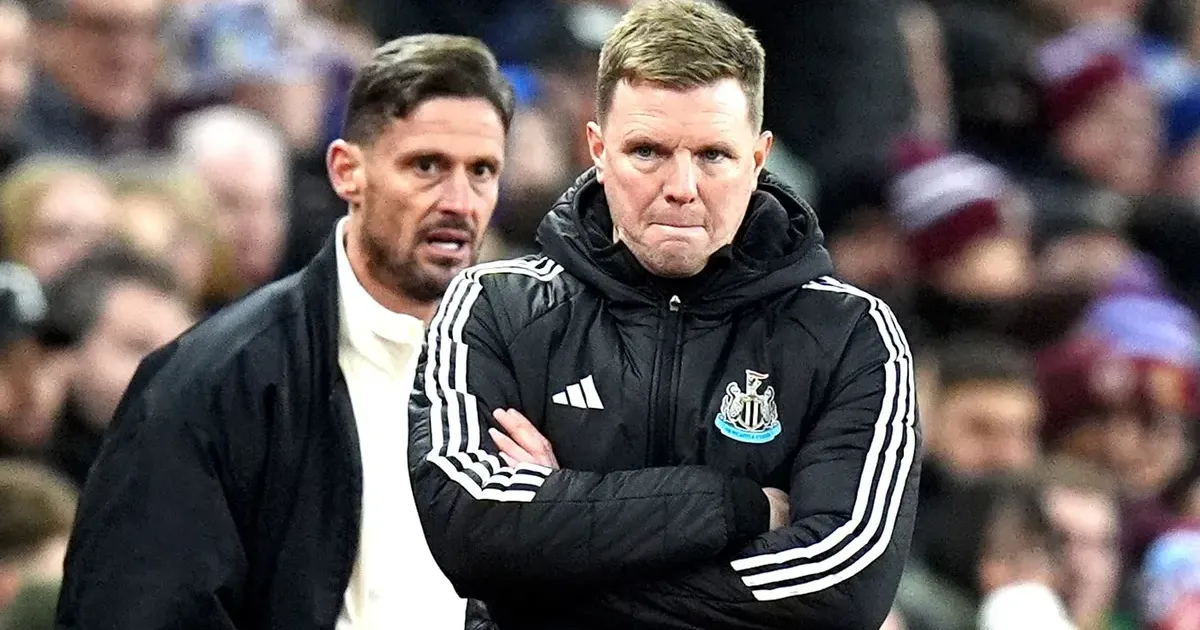
Executives at St James' Park are monitoring the situation closely as the club enters the final phase of a challenging season. Hopkinson confirmed that while the board is not looking to make a change at the moment, the environment remains fluid based on upcoming results. The chief executive emphasized that the club leadership expects a strong finish to the campaign to justify existing coaching structures. The Newcastle CEO Refuses to Guarantee Eddie Howe Future report carried a March 31, 2026 time marker for readers following the latest account.
David Hopkinson Sets Seven Game Performance Standard
Specific performance metrics now dictate the internal conversation surrounding the dugout at Newcastle. Reports from The Guardian suggest that Eddie Howe has exactly seven matches to convince the hierarchy that he is the correct person to lead the squad into the 2026-2027 season. This evaluation period covers the remainder of the current Premier League schedule. Hopkinson refrained from offering a public vote of confidence, choosing instead to focus on the immediate necessity for points. The board desires a clear indication of progress before committing to another year under the current management team.
Newcastle United occupies 12th place in the Premier League table, a position that sits far below the ambitions of the ownership group. Results over the winter months failed to meet the strategic objectives established at the beginning of the year. While BBC Sport reports that the club is not actively interviewing replacements today, the lack of a definitive guarantee creates a shadow over the training ground. Hopkinson noted that the evaluation of the head coach will continue until the season finale. Success in these final seven fixtures is a requirement for stability.
Newcastle Record Revenue Hits Over 335 Million Pounds
Financial performance presents a sharp contrast to the struggles seen on the pitch this season. Newcastle United announced record revenues of £335.3 million for the fiscal year ending June 2025. This meaningful growth in turnover highlights the commercial success of the brand under its current ownership. Sky Sports data indicates that commercial partnerships and increased matchday income drove these figures to new heights. The gap between the financial health of the organization and its league standing has become a primary talking point for the board.
Executive leadership views the £335.3 million figure as a benchmark for future investment. High revenues typically translate to higher expectations for squad performance and European qualification. Hopkinson stated that the financial results are evidence of the hard work of the business operations team. Disparities between the balance sheet and the league table often lead to structural changes in professional football. The club currently possesses the resources to compete at the highest level of the sport.
Eddie Howe's future will be discussed when the time is right.
Manager Security Question
Tensions on Tyneside reached a peak following the recent 2-1 home loss to Sunderland. This defeat in the Wear-Tyne derby has particular weight for the supporters and the executive branch. David Hopkinson made his displeasure regarding the result public, citing the importance of such fixtures to the identity of the club. Losing to a local rival at St James' Park often is a catalyst for internal reviews. The performance in that specific match lacked the intensity required for a high-stakes derby. Internal sources indicate that the manner of the defeat troubled the board more than the scoreline itself. A perceived lack of tactical flexibility during the second half of the Sunderland match drew criticism from analysts and club insiders. Fans expressed their frustration through vocal displays at the stadium. The board understands that losing the support of the local community makes the position of any manager unsustainable. Pressure from the stands is beginning to mirror the pressure from the boardroom.
The margin for patience is narrowing.
Manager Security Question
Maintaining a position in the middle of the table does not align with the multi-year plan developed by the Public Investment Fund. Eddie Howe oversaw a period of rapid growth previously, but the current stagnation is a cause for concern among stakeholders. The squad has struggled to maintain defensive consistency over the last ten matches. Injuries have played a role in the selection process, but the board views the current depth of the roster as sufficient for a top-half finish. Performance in the final seven games must show a tactical evolution to satisfy the owners. Statisticians note a decline in the expected goals metric for Newcastle over the spring period. Creating high-quality chances has become more difficult for the forward line against low-block defenses. Howe has experimented with various midfield configurations to regain control of the tempo in matches. None of these adjustments have yielded the consistent results required to climb the table. The upcoming fixture list includes several teams fighting against relegation, providing a testing ground for the manager's ability to break down stubborn opponents.
The club aims to finish the season with a positive trajectory to carry momentum into the summer transfer window. Recruitment plans depend heavily on the identity of the manager and the tactical system in place. Hopkinson confirmed that discussions about the future will occur when the time is right, likely immediately after the final whistle of the season. Final league positioning will determine the budget and the scope of the project for the coming year. The hierarchy remains focused on the immediate seven-game stretch as the primary indicator of the path forward.
Howe now faces a results test that revenue cannot soften. Newcastle can point to growth off the pitch, but supporters judge the project by the table and the next run of fixtures. Seven matches is a short runway for a manager trying to change form, but it is long enough for the board to judge whether the squad still responds to his methods.
The board also has to decide whether public ambiguity helps or harms the dressing room. A manager can survive pressure, but uncertainty becomes harder to manage when every match is treated as a referendum on his authority inside the club hierarchy.