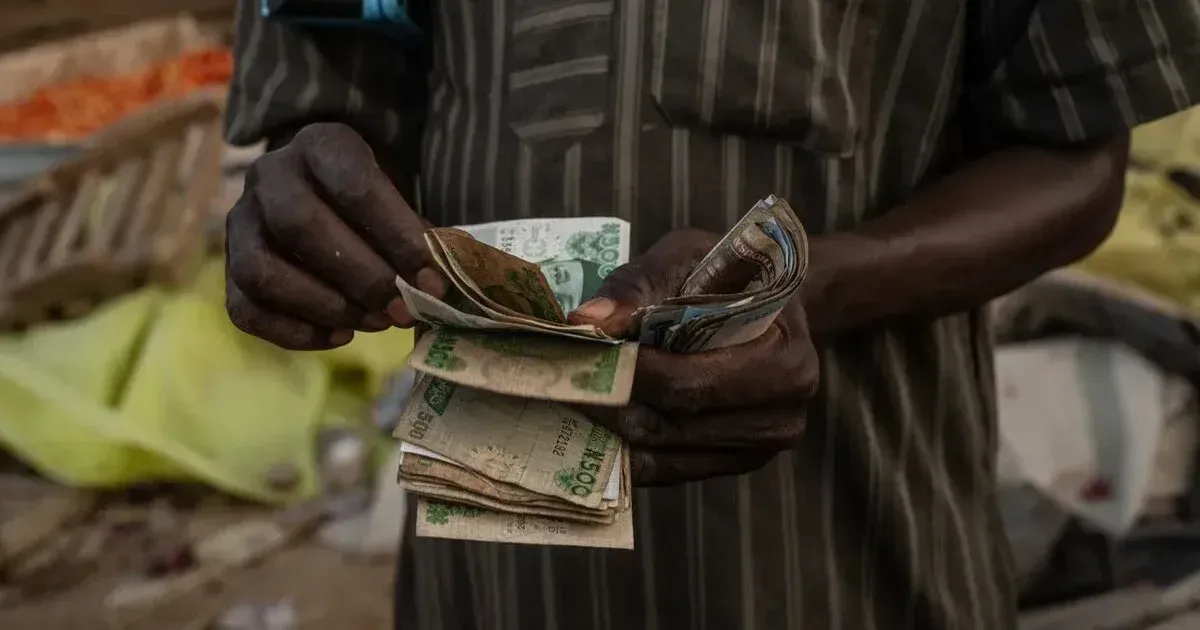
Nigeria reported another fall in dollar reserves as the central bank continued defending the naira in volatile currency markets. Officials faced pressure from import demand, investor caution and the cost of repeated intervention. That is why the latest reserve figure was treated as a policy signal rather than a routine data point. The update on April 9, 2026, raised questions about how long monetary authorities can protect stability without deeper fiscal and export support.
Foreign reserves are a confidence signal as much as an accounting line. When they fall, traders begin asking whether the central bank can keep meeting demand for dollars. That question can itself create more pressure on the currency.
Naira Defense and Reserve Pressure
The Central Bank of Nigeria has to manage inflation, liquidity and exchange-rate expectations at the same time. Selling dollars can smooth volatility, but it reduces the buffer available for future shocks. Holding back can preserve reserves but allow the naira to weaken sharply.
Importers feel the tension quickly. A weaker naira raises costs for fuel, machinery, medicine and consumer goods. Those costs can move through the economy and make inflation harder to control.
Central Bank Limits
Monetary policy alone cannot solve the reserve problem. Nigeria needs stronger export earnings, more reliable foreign investment and fiscal choices that reduce pressure on the currency. Without those supports, intervention becomes a bridge rather than a solution.
Investors will watch whether officials communicate a credible plan. Surprise measures can calm markets briefly, but they often create uncertainty if businesses cannot predict access to foreign exchange.
External financing conditions will matter as well. If global investors demand higher compensation for risk, reserve defense becomes more expensive even when domestic policy is steady.
Investor Confidence
The reserve decline also has political consequences. Currency weakness affects household prices, business planning and public trust in economic management. That makes the central bank's technical decisions part of a wider debate over living standards.
The next data release will matter because markets are looking for direction. Stabilization would buy time. Another sharp drop would increase pressure for broader reforms beyond the central bank.
The pressure is not limited to currency traders. Businesses that import inputs need confidence that they can access dollars at a predictable cost. When that confidence weakens, firms delay orders, raise prices or build defensive inventories, all of which can worsen inflation and reduce growth.
Government communication becomes critical in that environment. If officials promise stability without explaining the reserve path, markets may treat the message as political. If they acknowledge the pressure and describe a credible adjustment plan, they may buy time even before the numbers improve.
Oil revenue, remittances and portfolio inflows will shape the next phase. Stronger dollar supply would ease the central bank's burden, while renewed capital flight would make intervention more expensive. The naira is therefore being influenced by both domestic policy and global appetite for emerging-market risk.
The reserve decline does not mean a currency crisis is inevitable, but it narrows the margin for error. Nigeria needs a policy mix that reduces demand for emergency intervention. Without that, every new reserve report becomes another test of market patience. The reserve trend will also affect how households experience economic policy. Currency weakness can move into transport costs, food prices and business margins long before official debates are resolved. That gives the central bank's decisions a political edge. If it spends reserves too aggressively, markets may question the durability of the defense. If it allows the naira to weaken too quickly, families and import-dependent firms feel the shock immediately. The durable answer is broader than intervention: more reliable dollar earnings, clearer fiscal coordination and a foreign-exchange system businesses can plan around. Until those pieces improve, every reserve decline will renew doubts about how much pressure the central bank can absorb. Nigeria's next reserve data will be read alongside inflation, dollar access and official communication. Markets can tolerate pressure when policy is predictable. They react more sharply when businesses cannot tell whether the central bank is defending a level, smoothing volatility or waiting for fiscal support. Investors will therefore look beyond one reserve figure and ask whether policy is becoming more predictable. A credible plan can tolerate difficult numbers if businesses understand the adjustment path. Unclear intervention, by contrast, can make even moderate reserve losses look like the start of a deeper confidence problem. The fiscal side is just as important as the monetary response. If government borrowing, subsidy costs or import dependence keep pressure on dollar demand, reserve defense will remain expensive. Currency stability will require policy coordination alongside central-bank intervention in the foreign-exchange market. The political leadership will also need to avoid sending mixed signals about the naira. Confidence depends on businesses believing that exchange-rate policy, fiscal choices and reserve management are pulling in the same direction. That is why the reserve path now matters as much as the policy statement. Markets will watch whether that message becomes policy. The next figures will show whether pressure eases.