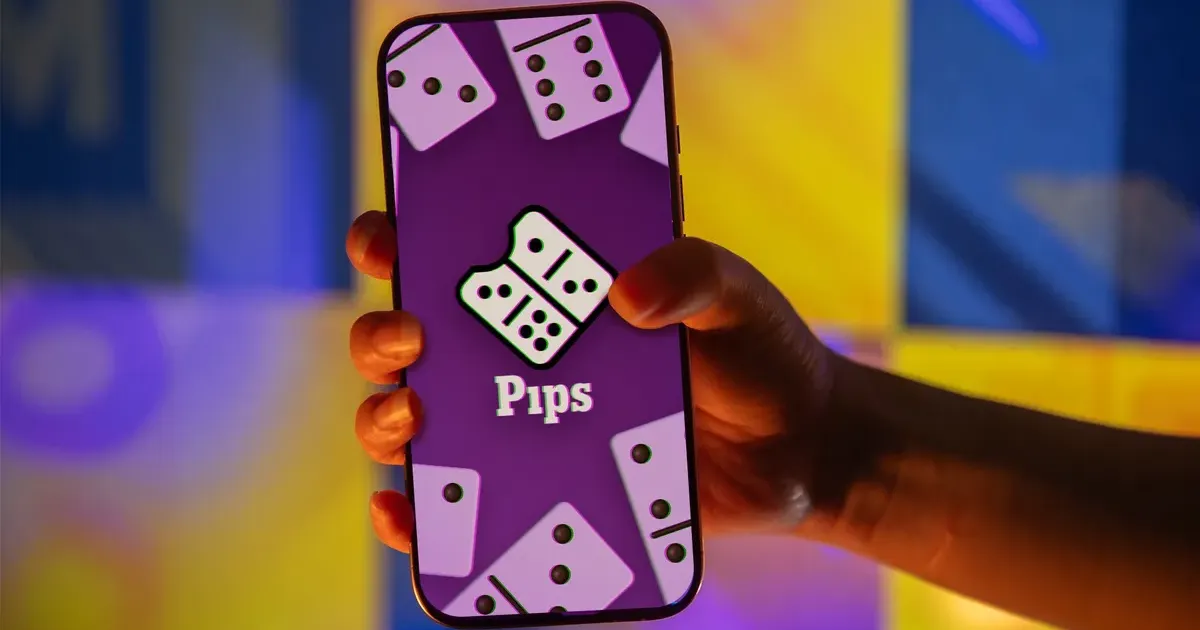
The New York Times puzzle lineup keeps widening beyond one viral word game. The daily habit now starts with a menu rather than a single tile. Readers can choose a word grid, a logic board, a miniature crossword or a pattern puzzle before they ever reach the news homepage.
That shift is important because the games are no longer only a diversion at lunch or on a train. They are part of a subscription funnel built around streaks, archives, daily rituals and social sharing. The company is training readers to return for low-friction tasks that feel personal but fit neatly inside a paid bundle.
Pips Gives The Portfolio A Logic Lane
Pips gives NYT Games a title that is not primarily about vocabulary. The domino-style logic game asks players to place numbered tiles into regions that satisfy conditions such as sums, matching values or inequality rules. It is simple enough to learn quickly, but the advanced boards can feel closer to Sudoku than to Wordle.
That helps the Times reduce its reliance on English-language wordplay. Word games can travel, but idioms, puns and cultural references do not always move readily across audiences. A number-and-logic puzzle has a wider potential base, even if the Times remains focused on English-language subscribers. It also gives puzzle fans a different daily mood: less recall, more deduction.
Strands Extends The Word Family
Strands plays a different role. It keeps the word-game audience inside the app without copying Wordle. Its theme words and spangram structure give players a small discovery arc, and answer pages can explain the logic without needing long articles. It also gives the Times another archive-friendly title: each board is a small content object that can remain relevant after its day passes.
Connections does similar work through pattern recognition rather than spelling. The Mini Crossword rewards speed. Wordle remains the broad public doorway. Together, these titles let the Times avoid treating one game as the whole product. If a user is tired of one format, there is another low-commitment ritual waiting beside it.
Archives Turn Daily Puzzles Into Inventory
The archive strategy is the most direct sign that the Times sees games as durable inventory. A daily puzzle expires socially after midnight, but it does not expire commercially if subscribers can play back catalogs. Restricting archives or some daily access can frustrate casual users, yet it gives paying subscribers a reason to treat NYT Games as more than a free habit.
The move of more small puzzles behind subscription rules also shows the same logic. The Times is not only chasing viral sharing. It is converting repeated casual use into paid attachment. A user who plays several quick puzzles every morning may be more difficult to lose than a reader who opens one article a week.
The Risk Is Turning Play Into Homework
The product risk is crowding. Too many games can make every morning feel like a checklist. Too many streaks can turn play into obligation. The Times has to keep each title distinct enough that users feel choice rather than assignment.
The opportunity is still obvious. Pips adds logic, Strands adds thematic word search, Connections adds grouping, the Mini adds speed and Wordle keeps the shared cultural doorway open. NYT Games is no longer trying to repeat Wordle. It is trying to make Wordle only the first stop.