The New York Times' Pips and Connections: Sports Edition show how far the company's games business has moved beyond crossword tradition and the Wordle boom. By March 2026, the Games app was no longer built around one viral title or one kind of puzzle. It had become a daily habit system: words for some players, logic for others, sports memory for another group, and social sharing for nearly everyone.
That does not mean a single puzzle on March 29 changed the company's future. The more important point is cumulative. The Times has learned that a reader can become a subscriber for journalism but return every morning for a puzzle streak. That return visit has business value because it is calmer and more repeatable than breaking news. A crisis may drive traffic for a day. A puzzle habit can bring someone back hundreds of times a year.
Pips Gives the App a Different Brain
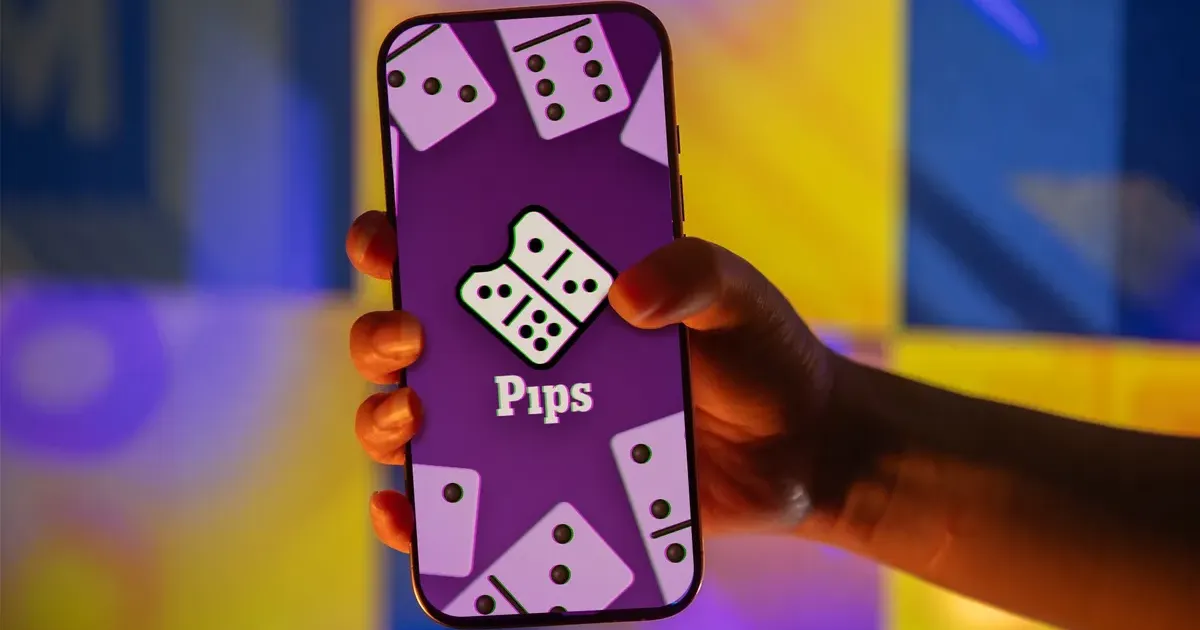
Pips, officially released in August 2025 after a beta period, added a domino-style logic puzzle to a lineup better known for word games. Players place domino tiles on a board where colored zones carry rules. Some zones require matching values, some require different values, and others ask for totals or greater-than and less-than relationships. A good move can satisfy several constraints at once.
Pips therefore feels different from Wordle, Connections, Strands or the Mini Crossword. It rewards deduction, spatial planning and patience rather than vocabulary, clue reading or association. The Times did not simply publish another word game under a new name. It gave logic-oriented players a reason to open the same app without asking them to care about the same puzzle culture as everyone else.
Sports Connections Turns Fandom Into Routine
Connections: Sports Edition, developed by The Athletic with NYT Games, uses the same broad format as the main Connections puzzle: 16 entries, four hidden groups, four items per group. The difference is the knowledge base. A sports puzzle can reward team nicknames, player history, league structure, tournament terms or a bit of wordplay that only lands if the player knows the sport.
That specialization is the point. A general reader may bounce off a women's soccer, college basketball or NFL-themed board. A sports fan may feel directly addressed. For The Athletic, that turns fandom into a puzzle ritual. For the Times, it brings a sports audience into the same daily-games loop that already made Wordle and Connections valuable.
Hints Are Part Of The Product
The weak spot in any puzzle expansion is frustration. Pips can become opaque if the board gives too little feedback. Sports Connections can become narrow if the category depends on trivia outside a player's comfort zone. In both cases, hints help because the player often wants help without losing the satisfaction of finishing.
Outside hint pages and answer guides have become part of the games economy. They do not always compete with the Times. Often they keep a stuck player inside the habit instead of letting one bad puzzle break the routine. The challenge for the Times is to offer enough guidance to teach the game without turning the solve into a reveal.
The Bundle Is Now A Habit Machine
The larger lesson is that the Times is defending its subscription bundle with more than journalism. Games create repeat visits, shareable results and a low-stress relationship with the brand. They give the app value on days when a reader is avoiding headlines or has no time for a long article.
That strategy is not automatically a retreat from news. It is a recognition that attention has to be earned in different moods. The risk is more subtle: games can become the easiest part of the bundle to love while reporting becomes the part subscribers respect from a distance. The Times has to keep the game layer strong without letting it become the identity of the whole product. Pips and Sports Connections show the opportunity, but they also show the line the company has to hold.