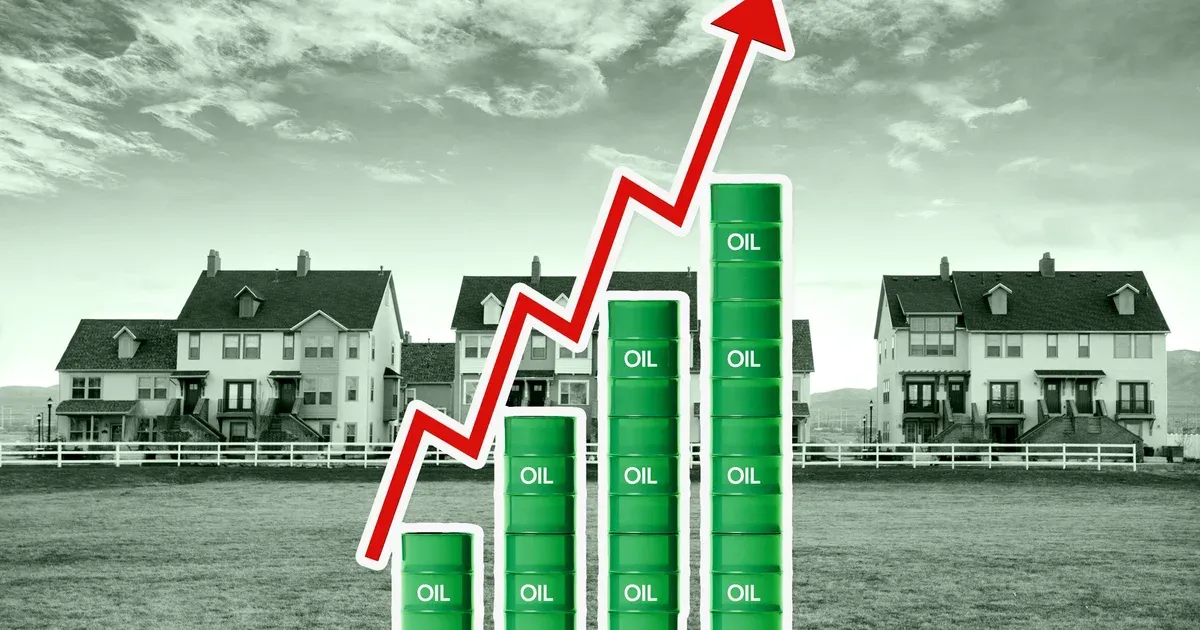
Oil markets tumbled because traders heard the possibility of a shorter Iran conflict and rushed to reduce some emergency pricing. On March 10, 2026, a lower price did not mean the supply risk had disappeared. It meant the market decided one fear trade may have gone too far. Trump's comments about a swift resolution helped pull crude away from recent highs and forced energy desks to reassess the war-risk premium.
A Statement Moved the Market
Oil markets tumble when crowded positions reverse quickly. Traders who had bought protection against a prolonged Gulf crisis suddenly had to consider whether the political signal changed the timeline.
That reaction can be rational and still fragile. A statement is not a ceasefire, a shipping guarantee or a confirmed supply agreement.
The first decline therefore says more about positioning than peace. The next price move will depend on what governments and militaries actually do.
The Risk Premium Remains
War-risk premium does not vanish while tankers, refineries, air defenses and regional bases remain exposed.
Strategic reserves, Gulf producer signals and insurance costs will all matter. So will any retaliation that threatens the Strait of Hormuz or energy infrastructure.
Consumers should also be cautious. A futures-market decline does not instantly lower gasoline prices, airline costs or freight contracts.
The Hard Read
The sharp conclusion is that political optimism can move oil for a day, but physical security moves it for longer.
If diplomacy follows the statement, the selloff may hold. If the conflict widens, traders will treat the drop as a mistake.
Energy markets are not asking for perfect certainty. They are asking for enough credible evidence to stop pricing every headline as the start of another shock. A lower oil price is helpful only if it lasts long enough to move through contracts and inventories.
The selloff shows how sensitive crude has become to presidential language. A suggestion of swift peace can erase part of the war premium, but words do not reopen shipping lanes or repair damaged infrastructure. Traders will keep testing whether the White House is describing a real diplomatic channel or simply trying to calm prices. If Tehran, insurers and refiners do not behave as if de-escalation is near, the market will reverse quickly. Consumers should be cautious about reading one down day as relief. Oil has become a confidence instrument as much as a supply instrument, and confidence can vanish faster than a barrel can move.
The political incentive is obvious. Lower crude helps the administration argue that escalation is contained. The market incentive is different. Traders will demand evidence from shipping flows, diplomatic statements and refinery behavior. If those signals do not confirm the peace talk, prices can climb again with little warning. That makes the next official statement unusually important. Loose optimism may calm one session and damage credibility in the next.
That is why refiners and carriers will watch physical indicators more closely than speeches. Tanker schedules, insurance quotes and port behavior will reveal whether the peace signal has substance. If those indicators lag behind the rhetoric, the selloff will look like a trade built on hope rather than supply.