Oil prices moved above $110 as traders reacted to a widening Middle East supply shock and the fading confidence that diplomacy would quickly restore normal shipping. The market move was not only about one benchmark price. It reflected concern that fuel, freight, inflation, and industrial production could all remain under pressure through the spring.
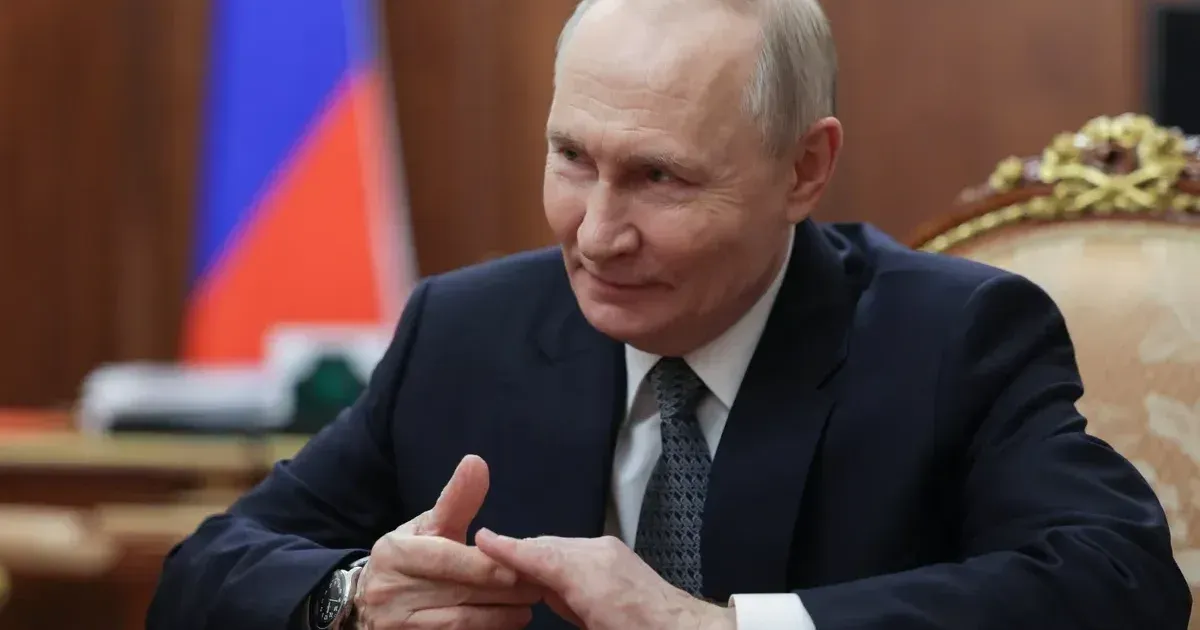
On March 27, 2026, the strongest signal came from Brent crude and from the changing value of Russian Urals crude. Barrels that previously traded at a discount became more attractive because they were seen as less exposed to the Strait of Hormuz route. That shift gave Moscow a revenue benefit that Western sanctions were designed to prevent.
The oil move connects several systems at once. Energy importers face higher costs, central banks face renewed inflation, and manufacturers face a mix of fuel, material, and shipping pressure. A short price brief would miss how broad the transmission has become.
Europe Faces Fresh Inflation Pressure
Spain's inflation data showed how quickly the energy shock can move into consumer prices. Higher fuel and electricity costs affect food logistics, manufacturing, and household bills, which increases pressure on the European Central Bank to stay alert even as growth remains weak.
The UK auto sector is exposed in a different way. Vehicle production has already been strained by energy costs and disrupted input supply, including aluminium and parts that rely on longer shipping routes. When factories cannot trust stable delivery schedules, they either build costly inventories or slow output.
Russia Gains From Supply Anxiety
The premium for Russian barrels shows how supply scarcity can weaken sanctions leverage. Buyers that need crude quickly may prioritize availability over political preferences, especially when Gulf-linked cargoes carry higher insurance risk. That is why the shift in Urals pricing matters beyond the oil desk.
The effect overlaps with other regional energy shocks, including the earlier Qatari gas plant attack story that pushed traders to reassess Middle East infrastructure risk. Moscow benefits when the market treats its supply as a fallback during Gulf disruption.
Japan Keeps Reserves at Home
Japan's decision to reserve oil sales for domestic refiners underlined the national-security tone of the crisis. In a calmer market, coordinated reserve releases can reduce regional pressure. In a stressed market, governments often protect domestic industry first.
That choice leaves smaller Asian importers with fewer buffers and potentially higher spot-market exposure. It also shows why the oil shock is not just a commodity story. It is a test of whether energy cooperation can survive when each government fears shortage at home.
For import-dependent economies, the second-order effects may become more important than the first price jump. Governments can subsidize fuel or cut taxes for a time, but manufacturers still have to schedule shipments, price contracts, and plan inventory around uncertain delivery costs. That uncertainty discourages investment even before any physical shortage reaches consumers. The Russian crude premium is also a reminder that sanctions work best when buyers have alternatives.
When Gulf risk rises, the market's need for available barrels can overwhelm political preferences. That does not erase sanctions, but it weakens their pricing power and gives Moscow a chance to convert scarcity into budget revenue. The policy response will likely be uneven. Europe may lean on monetary policy and targeted consumer relief, while Japan and other Asian importers prioritize reserves and refinery access.
None of those tools solves the core problem if the conflict continues to threaten shipping lanes. The clearest risk is that governments start treating emergency measures as normal policy. Fuel subsidies, reserve releases, and tax cuts can soften a shock, but they also blur price signals and strain budgets. If the conflict lasts, officials will have to choose between protecting consumers today and preserving fiscal room for the next crisis.
Energy traders will watch three signals above all: vessel movement through Gulf routes, the size of any coordinated reserve response, and whether Russia continues capturing a premium. If those signals remain unfavorable, $110 oil becomes less of a spike and more of a new operating assumption for the global economy. The strongest reading is to focus on measurable pressure rather than dramatic prediction. Oil at this level does not automatically mean recession, but it changes the assumptions behind budgets, freight contracts, central bank forecasts, and household spending. If prices retreat quickly, the shock may remain manageable. If they stay elevated, governments will face harder choices about subsidies, interest rates, and industrial support. That is why the oil shock needs to be read through the wider economy, not only as a short commodity move. Reserve policy is now part of the market signal. Japan's decision to focus on domestic refiners tells traders that governments are preparing for scarcity, not only price pain. That can keep risk premiums high even when physical supply has not yet collapsed. The immediate question is whether prices hold above $110 or retreat on diplomatic news. The larger question is whether the conflict has permanently changed the risk premium attached to Gulf energy flows. Until shipping risk falls, oil will keep influencing inflation, currencies, factory planning, and fiscal policy.