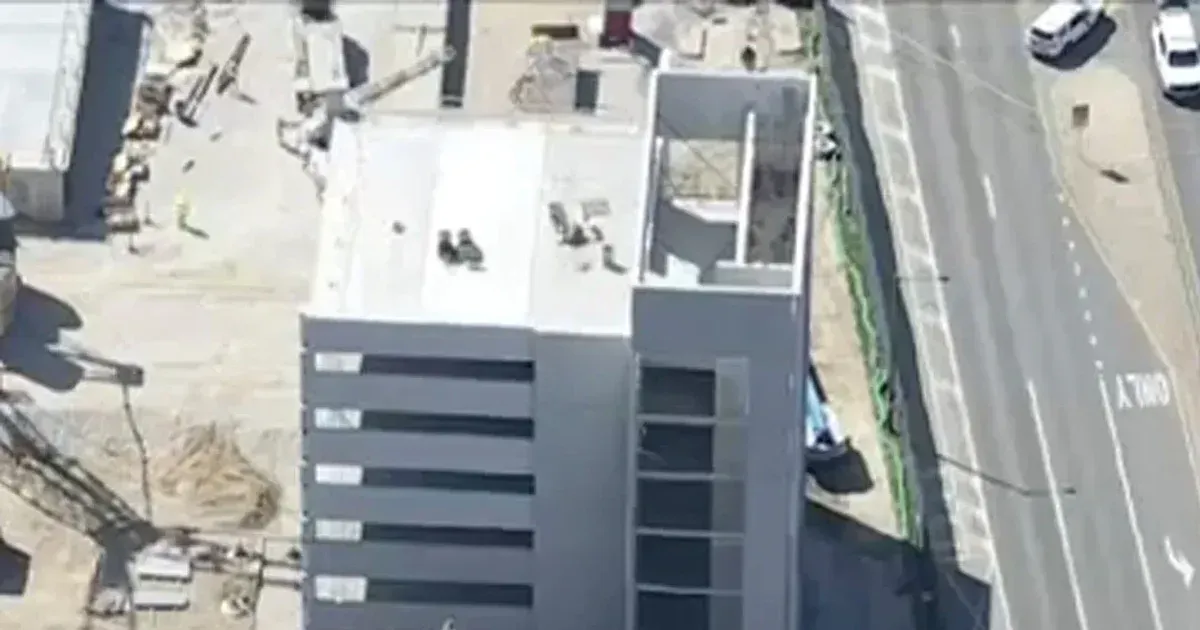
Philadelphia emergency crews confirmed that a partial collapse at a parking garage under construction left one worker dead and two others missing. Concrete slabs fell through multiple levels of the unfinished concrete structure near University City. Rescue teams entered an unstable perimeter while engineers assessed the remaining frame. The April 9, 2026, collapse raised immediate questions about inspection records, concrete work and contractor safety controls.
The first hours after a construction collapse are defined by tension between speed and caution. Search crews know that trapped workers may have limited time, but entering a compromised structure can create new casualties. That is why engineers, firefighters and site managers had to make decisions while debris was still shifting.
Construction Safety and Accountability
Investigators are likely to focus on the sequence of concrete placement, temporary supports and inspections before the collapse. Parking garages can fail when loads move through the structure before the frame is ready to carry them. That does not prove negligence, but it gives safety officials a clear starting point.
The death of one worker also changes the legal stakes. A workplace fatality brings occupational safety investigators, insurance reviews and potential civil claims. If missing workers are found dead, the scrutiny will grow. Families will want answers about whether the hazard was foreseeable and whether warnings were ignored.
Search Crews Face an Unstable Site
Urban construction sites add another layer of complexity. Nearby streets, utilities and adjacent buildings can be affected by a collapse even when the damage appears confined. Officials must protect the public while preserving evidence inside the site. That can slow access and frustrate relatives waiting for news.
Contractors will be asked to provide plans, inspection logs, subcontractor records and communications from the hours before the failure. Those documents will matter because construction disasters often turn on routine decisions that looked ordinary until the structure gave way. A missed inspection or rushed pour can become central evidence.
The contractor chain will also matter for investigators and families. Large projects often involve general contractors, subcontractors, inspectors and suppliers whose decisions overlap. Investigators will need to separate a single structural failure from a management failure, because prevention depends on knowing whether the danger came from design, execution or oversight.
Why the Collapse Resonates Locally
Philadelphia has seen rapid development around university and medical corridors, where dense sites leave little margin for error. Residents and workers depend on the assumption that private construction is being watched by competent inspectors. A visible collapse damages that confidence even before investigators assign responsibility.
The city now has two urgent tasks: find the missing and explain what went wrong. Those goals can conflict because rescue work comes first, while cause analysis requires patience. Officials will have to communicate carefully so that families are not left with silence and the public is not given premature conclusions.
The broader lesson may extend beyond one garage. Construction safety depends on ordinary compliance, not just dramatic enforcement after disaster. If the investigation finds preventable failures, the response will likely include pressure for tougher oversight of similar projects across the city.
Workers on construction sites often understand danger before the public does. They see rushed schedules, changing subcontractors and temporary supports that outsiders rarely notice. Investigators should therefore treat worker accounts as central evidence, not as background color after engineering reports are complete.
The collapse may also affect other active projects. City inspectors can order checks on similar structures, especially if the failure points to a method or material used elsewhere. Developers may resist broad disruption, but public confidence usually demands visible follow-through after a fatal incident.
For the families of the missing, the technical questions come later. Their first need is recovery and honest information. The city has to maintain that human focus even while lawyers, insurers and contractors prepare for a long accountability fight. The investigation will also have to distinguish between design failure, construction error and site management failure. Each possibility points to different responsible parties. Engineers, contractors, subcontractors and inspectors may all become part of the evidence chain. That complexity is why fatal construction cases often move slowly. The public sees a sudden collapse; investigators see months of plans, approvals, deliveries and worksite decisions. A reliable answer requires following that chain without letting the urgency of the tragedy distort the facts. That explanation will have to be detailed enough for workers as well as residents, because both groups depend on the same inspection and accountability system. The collapse will also be studied by workers on other construction sites, because they know safety culture is built before an emergency. If schedules were compressed, inspections missed or temporary supports misunderstood, the lesson will reach beyond one contractor. If the failure was harder to foresee, officials will still need to explain why the system did not catch the vulnerability sooner. Either way, the public will expect a report that names the chain of decisions, not just the moment the concrete fell. That is the only way the investigation can serve both justice for the workers and prevention for the next job site. Accountability requires that detail. The answer must be public.