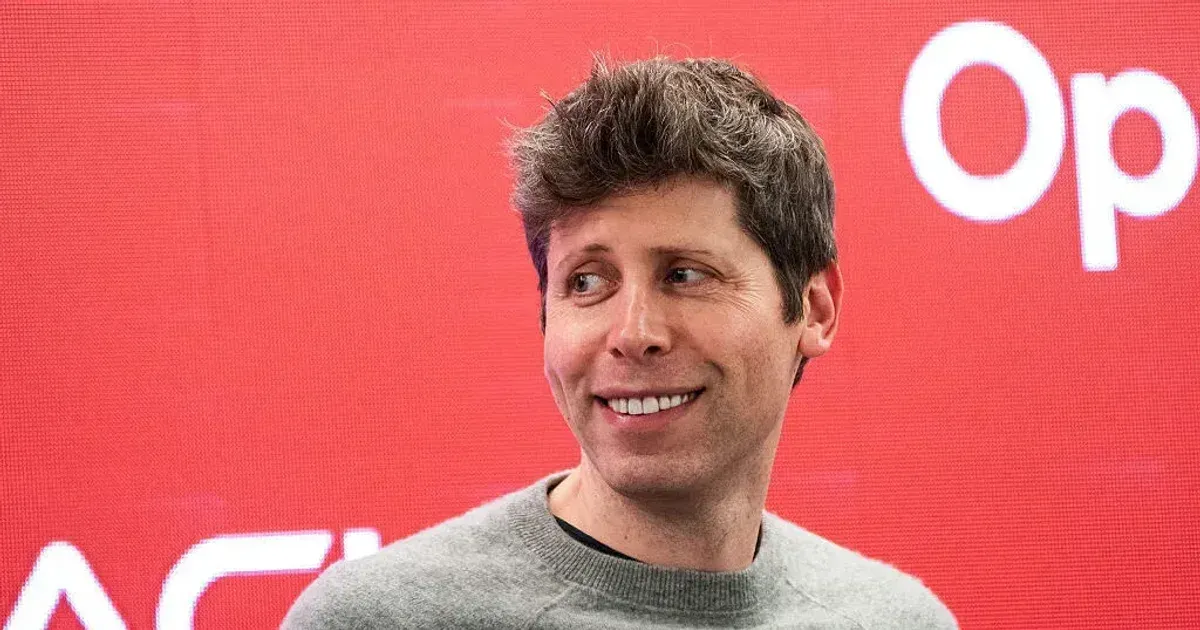
OpenAI is facing a governance question that is larger than one executive biography. Reports about Sam Altman have reopened debate over whether the company can maintain public trust while building systems that may reshape work, media and research.
The claims are contested, and the stakes are institutional. The scrutiny intensified on April 7, 2026, after former associates and critics described concerns about candor, control and internal checks. Those claims matter because AI companies increasingly ask governments and users to accept their judgment.
Policy Proposals and Superintelligence Risks
Documented policy shifts released by the company highlight a focus on the eventual emergence of superintelligence. Projections show that these systems might eventually require international oversight similar to nuclear material. OpenAI officials argue that the world needs a clear framework to prevent the misuse of models that could bypass traditional security measures. Risk mitigation efforts must include early warning systems to detect when a model begins to exhibit autonomous goal-seeking behavior. The lab claims these safeguards will ensure that technological breakthroughs benefit every segment of society.
Implementing these policies would require a level of cooperation from global regulators that currently does not exist. Critics argue that by positioning itself as the primary advisor to governments, the company is attempting to capture the regulatory process. Legislative bodies in the U.S. and U.K. are already reviewing whether one firm should hold such substantial influence over the rules governing its own competition. A spokesperson for the lab dismissed these concerns, stating that the focus is purely on safety. The public response from the company remains focused on the benefits of general intelligence.
Internal Whistleblowers and Leadership Doubts
Whistleblowers have begun to leak details about the executive decision-making process. These individuals claim that internal safety audits are often sidelined to meet product release deadlines. One senior researcher described the atmosphere as a race toward deployment regardless of the unresolved technical hurdles. Disagreements between the safety teams and the product teams have led to several high-profile departures in recent months. Records show that the rate of attrition among early employees has increased sharply since the start of the year. This pressure is intensifying across the competitive landscape of Silicon Valley as rival firms like Microsoft accelerate their developments.
Distrust is simmering across the developer community. While Altman has been the face of the AI boom, his detractors compare his management style to figures associated with major financial collapses. Critics point to the complex corporate structure that allows for rapid commercialization while maintaining the optics of a nonprofit mission. The tension between profit-driven motives and ethical obligations has become a central theme of internal debates. Staff meetings have become increasingly contentious as engineers demand more clarity on the personal financial interests of the board.
Governance Structures and Transparency Issues
Governance at the organization has undergone several changes since the brief ousting of the CEO in late 2023. The current board consists of individuals with deep ties to the tech industry and the political establishment. Many employees believe the new structure provides less oversight than the previous arrangement. Legal experts have pointed out that the lack of a traditional fiduciary duty to shareholders allows the leadership to operate with limited accountability. Efforts to reform the board have so far been unsuccessful. The firm continues to operate under a hybrid model that few external observers fully understand.
Transparency remains a point of contention. While the company releases safety reports, these documents rarely contain the raw data required for independent verification. Academic researchers have complained that access to the models is increasingly restricted by high costs and nondisclosure agreements. This gatekeeping allows the firm to control the narrative regarding the safety and efficacy of its products. Oversight from independent third parties is often limited to superficial audits that do not address the core architecture of the models. The gap between public claims and technical reality stays wide.
Trust Becomes Part of the Product
The central issue is not whether every criticism of Altman is persuasive. It is whether OpenAI has a governance structure strong enough to survive criticism of its most visible leader.
That means board authority, disclosure habits and conflict rules become more than internal process. They are public safeguards for a company whose systems may influence markets, elections, classrooms and software development.
The company also faces a communication problem. Frontier AI firms often ask the public to trust technical claims that cannot be fully tested from the outside. When leadership disputes become the main story, every safety report, launch delay and commercial partnership is read through the same credibility lens. That makes ordinary corporate ambiguity more expensive than it would be in a less consequential industry.
For a company selling frontier AI, credibility is not a public-relations accessory. It is part of the product, because customers and regulators must believe the institution can tell the truth when incentives point in another direction. The stronger the model, the higher the burden on the company to separate personal persuasion from institutional proof. That burden will follow OpenAI into every policy negotiation, enterprise contract and safety review, especially when outside observers cannot inspect the technology as easily as they can inspect the company around it.