Operation Epic Fury is facing the kind of pressure that military campaigns often create but political slogans rarely explain: oil prices, drone threats and unclear end states. The campaign was already under market scrutiny before the latest operational claims. The strain became visible on March 12, 2026, as battlefield claims collided with market anxiety and questions about how long the operation might continue. A campaign can appear controlled in briefings while creating unpredictable consequences in energy markets, allied capitals and the force-protection plans of commanders on the ground.
Operation Epic Fury is confronting a pressure mix that military briefings often compress into cleaner language: oil prices, drone threats and unclear end states.
Oil Shock Risk
Energy markets respond to risk before physical shortages arrive. If traders believe shipping lanes, terminals or regional infrastructure could be threatened, prices can move on fear, insurance costs and precautionary buying. The Operation Epic Fury oil risk is therefore political as well as economic. Rising fuel costs can erode domestic support for a campaign even if officials claim military progress. That risk is especially serious when the administration has promised stability and affordability. Voters may support strength abroad, but they notice price increases at home quickly.
Drone Pressure
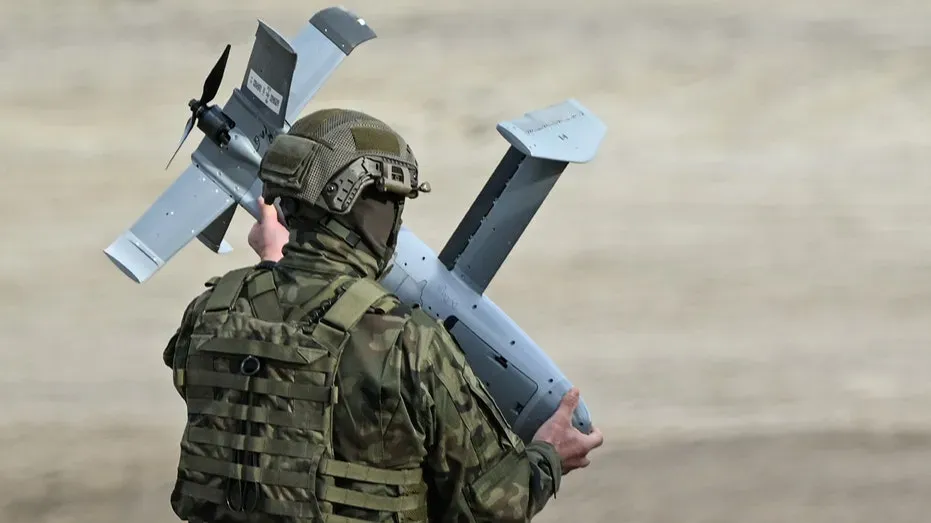
Drones complicate the operation because they are relatively cheap, flexible and difficult to eliminate completely. They can threaten ships, bases, logistics hubs and energy infrastructure without requiring a conventional battlefield. Defending against them can be expensive. A low-cost drone may force the use of high-cost interceptors, extra patrols and more complex layered defenses. That imbalance creates a strategic burden. Even when drones are intercepted, they can keep forces alert, slow operations and make allies question whether escalation is spreading.
Unclear Objectives
The hardest question is what success means. If the goal is deterrence, leaders need to define what behavior would count as restored restraint. If the goal is degradation, they need to explain how much force is enough. Ambiguity can be useful at the start of a campaign, but it becomes dangerous if allies, markets and adversaries all interpret the mission differently.
Allied Concerns
Partners may support the campaign publicly while privately asking how it ends. They have to manage their own energy exposure, domestic politics and security risks if retaliation spreads. That is why alliance management is not a side issue. The operation's durability depends on whether allies believe the costs are tied to a coherent plan.
Markets Need an Endpoint
The campaign's next phase will be judged by whether military pressure produces measurable restraint without triggering broader economic harm. If oil prices keep rising and drone threats keep spreading, the administration will struggle to sell the operation as controlled.
The communications problem is that military success and economic stress can coexist. Officials may point to destroyed targets while households and businesses feel the cost through fuel, freight and uncertainty. Drone threats worsen that gap because even failed attacks can prove that danger remains present.
The administration therefore needs a definition of success that is more precise than resolve. It must identify the behavior it wants to stop, the costs it is willing to bear and the diplomatic channel that can translate pressure into an endpoint. Epic Fury may be a military name, but its survival will depend on economics, logistics and public patience as much as firepower.