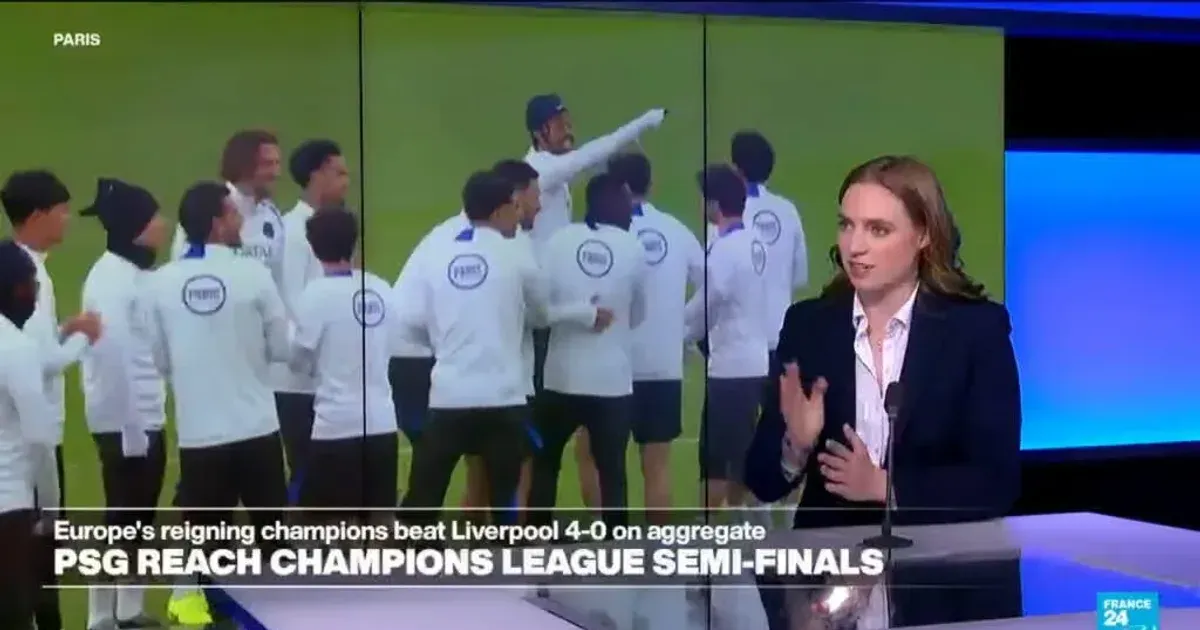
Paris Saint-Germain ended Liverpool's Champions League run with a controlled 2-0 win at Anfield, completing a 4-0 aggregate victory that underlined the French side's efficiency over two legs. The margin kept the Paris side in control of the tie and gave PSG confidence for the next round. The April 15, 2026, result moved PSG deeper into a title defense that now carries historic stakes.
Liverpool needed an early shift in momentum after losing the first leg, but PSG refused to give the tie oxygen. The visitors defended with discipline, used possession to slow the crowd, and punished the moments when Liverpool had to chase.
The result was not only about the scoreline. It showed a gap in game management. PSG played like a team comfortable with the aggregate picture, while Liverpool looked forced into risk before the match had fully settled.
PSG Controls the Tie
European knockout football often turns on patience. PSG did not need to overwhelm Liverpool in every phase. They needed to prevent the early goal that would have changed the mood at Anfield. Once that threat faded, the tie tilted further toward the defending champions.
Liverpool's pressure came in waves, but the final ball and finishing did not match the urgency. PSG's defensive shape kept central spaces crowded and forced the home side into lower-quality chances.
The 4-0 aggregate score will sting because Liverpool rarely exit Europe so cleanly at home. It leaves questions about attacking sharpness, midfield control, and whether the first-leg deficit made the second leg too steep.
Injury Clouds PSG Night
The concern for PSG was the injury to Hugo Ekitike. A serious injury during a European win can change the emotional tone quickly, especially if the player had become part of the club's attacking rotation.
Medical updates will shape how the victory is remembered in Paris. If Ekitike faces a long absence, PSG must adjust its squad plan while continuing a demanding title defense.
Still, the football message was clear. PSG looked mature, organized, and ruthless enough to defend a European crown. Liverpool, for all their history and home atmosphere, could not turn pressure into a real comeback.
The next round will test whether PSG can keep that balance. A title defense requires more than star power. It requires control, squad depth, and the ability to make elite opponents feel rushed. At Anfield, PSG had all three.
For Liverpool, the exit will invite a wider review of how the tie got away. A two-goal first-leg deficit left little margin, but the second leg still required cleaner chance creation and more composure in transition. PSG's maturity made those weaknesses more visible. The French side did not simply defend a lead; it made Liverpool's urgency feel predictable. For PSG, the challenge is managing celebration and concern at the same time. A deep European run depends on squad health, and Ekitike's injury could affect rotation, pressing, and late-game attacking options. The result proves PSG can control an elite opponent away from home. The medical update will determine how costly that control became. Title defenses are often decided by those details: not only who wins the tie, but who remains available for the next one. Luis Enrique's side also showed the value of tactical maturity. European nights at Anfield can become emotional if the home team scores early, but PSG kept the match from becoming a referendum on atmosphere. They slowed restarts when needed, protected central lanes, and attacked the spaces Liverpool left while chasing the tie. That is how an aggregate lead becomes control rather than anxiety. Liverpool's review will be uncomfortable because the defeat was comprehensive across both legs. The club can point to injuries, form, or finishing, but a 4-0 aggregate exit suggests deeper issues in how it handled PSG's pace and structure. For Paris, the next challenge is sustaining that standard with the injury situation unresolved. The victory was emphatic, but Champions League campaigns rarely allow long celebrations before the next problem arrives. The result also strengthens PSG's claim to be more than a collection of stars. Champions League control comes from coordinated pressing, disciplined spacing, and the ability to manage emotional venues. At Anfield, PSG showed those qualities. Liverpool will have to ask why its urgency produced so little clean danger across two matches. The answer may involve personnel, tactics, or timing, but the conclusion is clear enough: PSG were the more complete side over the tie, and Liverpool never found the sequence that would make the aggregate score feel fragile. The win felt less like an upset than a demonstration of a side comfortable with European pressure. PSG will try to carry that standard forward even if injuries force the squad to adjust before the next test, and its next opponent now knows the level required to disrupt the title defense.