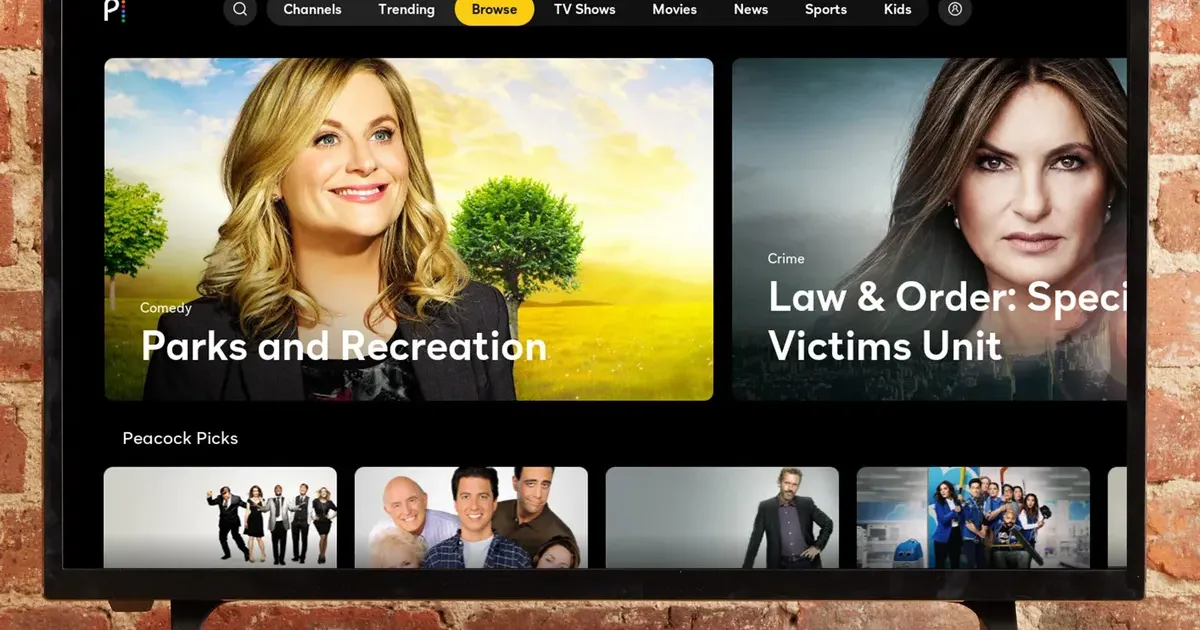
March 2026 marks a quiet, frustrating milestone for digital consumers hunting for a bargain. On March 12, 2026, Peacock made clear that its price reset was also a reset of subscriber expectations. Digital storefronts that once overflowed with promotional vouchers for NBCUniversal's premier streaming service have suddenly gone dry. Investigations into the current retail environment reveal a total absence of active promo codes for Peacock, a shift that indicates a new era of fiscal discipline for Comcast. For years, the platform utilized aggressive discounting to build a massive subscriber base, but the math of 2026 suggests the era of the subsidized sub is effectively over. NBCUniversal executives appear to be leaning on their massive content vault rather than price slashing to retain eyes. Seventeen billion dollars in annual content spending has resulted in a library exceeding 15,000 hours of on-demand programming. Reliability remains the core strategy here, with staples like 'The Office' and 'Law & Order: SVU' serving as the foundational glue for millions of households. These shows are no longer just reruns; they are the essential infrastructure of American living room entertainment. When consumers realize they cannot find a five-dollar-off coupon, they are betting that the familiarity of Michael Scott or Olivia Benson is worth the full retail price. Price sensitivity is meeting its match in exclusive content. Recent cinematic acquisitions have bolstered the value proposition even as the coupons vanish. Film buffs currently flock to the platform for Academy Award-nominated titles like 'Bugonia,' alongside high-octane sequels such as 'Nobody 2.' By securing these titles, Peacock has successfully transitioned from a mere repository of old NBC sitcoms into a legitimate destination for prestige cinema. This shift suggests a move toward long-term retention over flash sales. Analysts at several major brokerages note that when a service provides enough fresh, high-quality cinema, the need for a three-month trial code diminishes because the product sells itself.
The High Cost of Living Sports
Professional athletics represent the most significant hurdle for budget-conscious viewers in 2026. Peacock has carved out a massive footprint in the NFL and NBA landscapes, often securing exclusive broadcasting rights for high-stakes games. For a die-hard fan, a missing promo code is a minor annoyance compared to the prospect of missing an important divisional matchup. The league deals signed years ago are now coming due, and the costs are being passed directly to the subscriber. This library of 15,000 hours serves as the ultimate anchor for those considering a cancellation.
Exclusivity has become a blunt instrument for growth.
Reality television continues to drive daily engagement in a way that scripted dramas often struggle to match. The platform currently hosts the entire Bravo ecosystem, including cultural juggernauts like 'Vanderpump Rules' and the 'Real Housewives' franchise. These audiences are famously loyal and exhibit a high tolerance for price increases. Original reality programming like 'The Traitors' and 'Love Island USA' further cements this grip. Because these shows rely on social media discourse and immediate viewing to avoid spoilers, fans are less likely to wait for a discount code that may never arrive.
Scripted originals have also found their stride this spring. New hits like 'Ponies,' 'The Burbs,' and 'All Her Fault' represent a pivot toward high-concept storytelling that targets a more sophisticated demographic. These viewers typically have more disposable income and are less likely to scour the internet for a thirty-percent-off voucher. By tailoring their content to a premium audience, NBCUniversal is effectively insulating itself from the churn associated with bargain hunters. This scarcity of discounts reflects a broader industry cooling.
Searching for Alternative Savings
While direct promo codes are currently non-existent, savvy consumers are looking toward structural savings. Annual plans remain the most reliable way to lower the monthly overhead, offering a significant percentage off for those willing to commit to twelve months of service. Bundling has also become the new frontier of the streaming economy. Partnerships with grocery delivery services, credit card issuers, and mobile phone providers have replaced the traditional promo code. These backdoor discounts allow the streaming service to maintain its public price point while still offering a path to savings for the diligent.
Financial reports from the first quarter of 2026 indicate that Average Revenue Per User, or ARPU, has become the primary metric of success. Wall Street no longer rewards raw subscriber growth if those subscribers are paying pennies on the dollar. Investors want to see full-freight customers who value the service. So the marketing departments have shifted their budgets away from coupon distribution and toward high-impact advertising for exclusive live events. The goal is no longer to be the cheapest option, but to be the one service a household refuses to cut.
Data from internal testing of digital checkout paths shows that most users abandon their search for a code within ninety seconds. After that brief window of frustration, the majority proceed with the transaction anyway. The behavior demonstrates the immense power of content monopolies. If you want to watch the Sunday night exclusive NFL game, there is only one gatekeeper. Comcast knows this, and they are betting that the lack of a March 2026 discount will not stop the momentum of their growing sports empire.
Looking ahead to the summer, the discount environment may shift slightly as the platform prepares for major seasonal events. However, for the current month, the cupboard is bare. Consumers should focus on evaluating their usage habits rather than waiting for a digital miracle in the promo code box. In an economy where every streaming giant is chasing profitability, the age of the perpetual discount is likely a relic of the past.
Discounts Vanish as Pricing Discipline Arrives
The pricing reset shows how streaming platforms are moving away from broad discounts and toward more disciplined subscriber economics. Live sports can support retention, but the value proposition becomes harder to defend when discounts disappear.
For Peacock, the risk is churn from users who joined for a promotion rather than the full bundle. The harder question is whether Premier League coverage and NBCUniversal programming can keep those households paying at regular rates.
Give Feedback
How was this article?