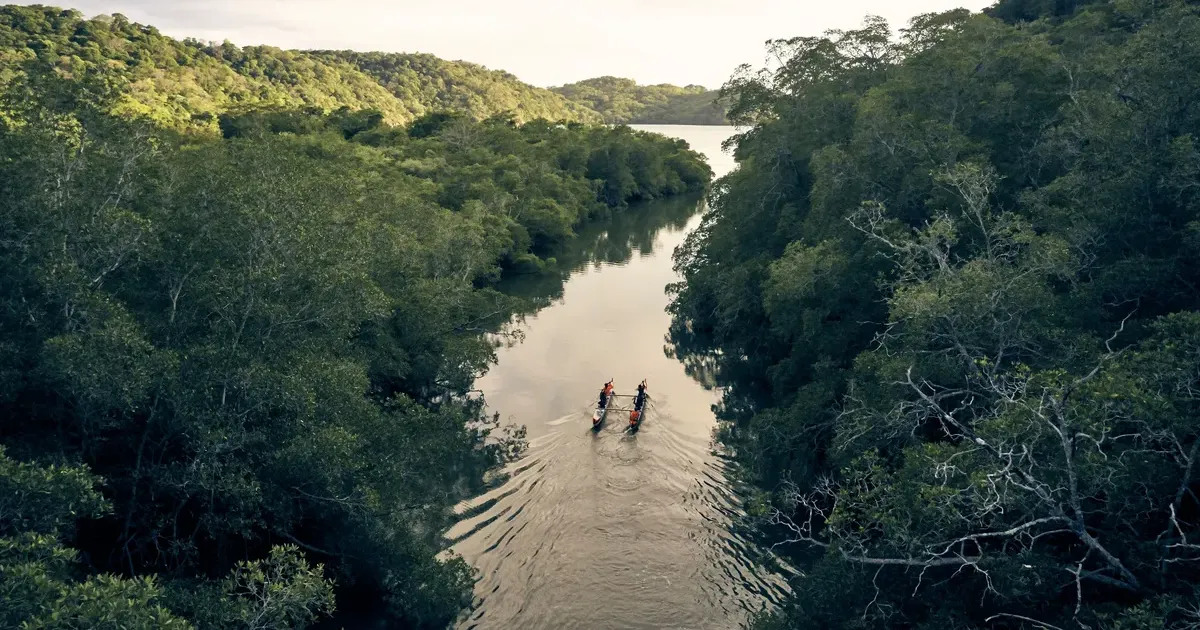
Peninsula Papagayo has become one of Costa Rica's clearest tests of sustainable luxury tourism. The Guanacaste resort community sells privacy, biodiversity and five-star hospitality in the same package, forcing a harder question: when does conservation become a public good, and when does it become a luxury amenity?
The peninsula is commonly described as a 1,400-acre private club and resort community anchored by brands such as Four Seasons, Andaz and Nekajui, a Ritz-Carlton Reserve. Its appeal depends on low-density development, protected landscapes and the promise that high-end tourism can coexist with dry tropical forest and coastal ecosystems.
That promise is not meaningless. Strict planning rules, conservation requirements and brand pressure can prevent the worst forms of coastal overbuilding. But the model also concentrates access, beauty and environmental privilege behind a very high price point.
Luxury Growth Depends On Scarcity
Peninsula Papagayo's commercial strength comes from scarcity. Limited development, controlled design and protected land make the destination feel more exclusive than a conventional beach resort corridor. That scarcity supports real estate values and hotel rates, but it also turns landscape restraint into a business asset.
Gencom and Mohari have been central to the destination's modern luxury push, including investment tied to the Four Seasons property and the development of Nekajui. The strategy is clear: fewer buildings, stronger brands, higher margins and a stronger environmental narrative.
This is why the peninsula matters beyond Costa Rica. It offers a polished version of the eco-luxury formula now spreading across high-value coastal markets: preserve enough nature to make the product feel rare, then sell access to that rarity at the top of the market.
Conservation Rules Shape The Brand
The Papagayo tourism project operates under Costa Rican planning and concession rules, and Peninsula Papagayo's own design guidelines point to compliance with the wider Gulf of Papagayo master plan. The best-known principle is that a large majority of the land remains natural or low-impact rather than fully built out.
That approach helps protect the destination's dry tropical forest, coastline and wildlife corridors. It also gives the hotels and residences their strongest marketing advantage: guests can be close to luxury infrastructure without feeling surrounded by dense construction.
The tension is obvious. Nature is protected partly because it is valuable to the luxury product. That can still produce environmental benefits, but it is not the same thing as democratic access to protected coastline.
Nekajui Raises The Exclusivity Bar
The arrival of Nekajui, a Ritz-Carlton Reserve, pushes the peninsula further into the ultra-luxury tier. The Reserve brand is built around privacy, service and a sense of remoteness, which fits the Peninsula Papagayo pitch almost perfectly.
Four Seasons and Andaz already give the destination global recognition. Nekajui adds another layer of prestige and signals that Costa Rica's luxury market is no longer only competing with regional beach resorts. It is competing for the same travelers who compare private islands, remote wellness retreats and branded residences.
That is good for national visibility and high-end tourism revenue. It also risks narrowing the story of Costa Rica to a version of sustainability that only the global wealthy can afford to experience.
Water And Access Remain The Real Tests
Guanacaste's dry season makes water management central to any resort claim. Landscaping, golf, pools, villas and hotel operations all require systems that do not simply shift pressure onto nearby communities. A luxury development cannot call itself sustainable if its comfort depends on making local scarcity worse.
Access is the other test. Public land concessions and coastal beauty carry obligations beyond brand stewardship. If the coastline is preserved but socially unreachable, the model has protected scenery while weakening the idea of a public commons.
Peninsula Papagayo may be a better version of luxury coastal development than uncontrolled sprawl. That is not the same as a fully equitable model. The hard truth is that biodiversity is being protected because it has been successfully priced into an exclusive product. Conservation survives, but the public is asked to admire much of it from outside the gate.