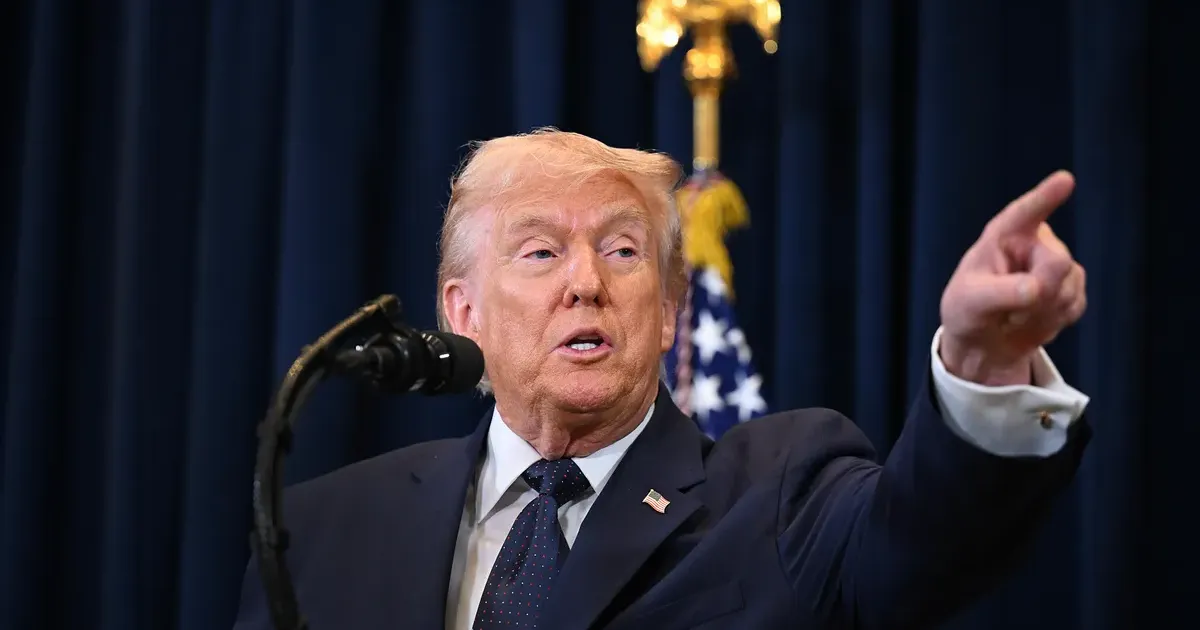
Pennsylvania voter anxiety and Los Angeles spending choices are feeding a broader warning about election confidence.
Erosion of Public Trust in Pennsylvania Swing Districts
Bucks County, Pennsylvania, is a volatile laboratory for American democracy where the air feels heavy with suspicion. By March 12, 2026, two local political stories had become part of the same election-trust debate.
Residents here are no longer debating policy; they are debating the very machinery of the vote. Conversations in diners and town halls across these swing districts reveal a deep-seated belief that the electoral system is fundamentally compromised. NPR reporters recently traveled through these communities to find that many supporters of Donald Trump now believe Democrats cannot win without cheating. Such sentiment has hardened since the 2020 election, morphing from localized complaints into a unified doctrine of skepticism. One voter in a suburban district claimed the entire process felt opaque and suggested the rules change too quickly for the average citizen to track. Experts worry that this psychological shift creates a permanent barrier to civic participation. When people believe the outcome is predetermined, the motivation to vote shifts from hope to grievance.
Pennsylvania's role in the 2026 election cycle cannot be overstated. Local election boards are under immense pressure to prove their integrity while managing a sea of disinformation. Yet, for many in the Keystone State, the lack of immediate answers during the 2020 count remains a persistent scar. Voters frequently cite mail-in ballots and drop box locations as primary sources of their unease. Republicans in the state have pushed for tighter restrictions, while Democrats argue these measures are designed to suppress turnout. The resulting friction has left many independent voters feeling caught in a crossfire of accusations. Suspicion grew while the doors of public discourse remained metaphorically locked, leaving a vacuum filled by conspiracy theories. If the 2026 cycle begins with this much doubt, the legitimacy of the eventual winners will be questioned from day one.
The Secret Session at Los Angeles City Hall
Three thousand miles away, a different kind of controversy erupted in Los Angeles. City Council members recently retreated into a 90-minute private session that many observers found highly irregular. Public records show the council then emerged to approve $177 million for tenant-rights organizations. Taxpayers are now asking why so much money is flowing to activist groups right before a major election cycle. These organizations often engage in get-out-the-vote efforts, leading to accusations of state-sponsored political campaigning. Critics argue that using taxpayer funds to strengthen organizations with clear partisan leanings creates an unfair electoral advantage. The New York Post reported that the lockup was necessary to hammer out the details of the massive payout, yet the lack of transparency only deepened public division. The math does not add up for the average taxpayer.
Los Angeles officials claim the funding is a necessary response to the housing crisis. They argue that tenant-rights groups provide essential services to vulnerable populations facing eviction. Still, the timing of the $177 million package raises eyebrows among ethics watchdogs. Many of these groups are known for their aggressive mobilization tactics and close ties to specific council members. Because these funds are coming from the public treasury, every dollar spent on these activists is a dollar not spent on infrastructure or public safety. Accountability remains elusive when the decisions are made behind closed doors. Such a massive injection of cash into the nonprofit sector can easily be laundered into political influence through indirect mobilization and advocacy.
Democratic processes require a baseline level of transparency to function. In Pennsylvania, the focus remains on the physical ballot and the counting process. In Los Angeles, the focus is on the financial pipeline that drives people to the polls. Both scenarios contribute to a singular feeling of unease among the electorate. Voters in Pennsylvania are watching the news from California and seeing a system that appears rigged through financial engineering. Simultaneously, residents in Los Angeles are hearing the rhetoric of Pennsylvania and wondering if their own local elections are being manipulated. This sentiment bridges the geographic gap between the East and West coasts. It creates a national narrative that the American electoral system is failing its citizens on multiple fronts.
Political analysts suggest that the funding of activist groups is the new frontier of electioneering. Traditional campaign donations are strictly regulated, but grants to non-profit organizations often bypass the most rigorous scrutiny. These groups can use the funds to hire organizers, print literature, and run social media campaigns that mirror partisan messaging. While technically legal, the optics of a city council voting for such a package in secret are disastrous for public morale. Trust is a currency that once spent cannot be easily minted again. One activist group receiving a significant portion of the funds has a long history of partisan mobilization.
Residents of Los Angeles are not the only ones paying attention. Across the country, legal groups are preparing challenges to these types of funding packages. They argue that the use of public funds for ideological advocacy violates the principle of government neutrality. If these lawsuits succeed, they could fundamentally alter how cities manage their budgets during election years. But the damage to public confidence may already be done. People see the $177 million figure and they see the 90-minute lockup, and they conclude that the game is fixed. This decision by the Los Angeles City Council has provided ample ammunition for those who claim the system is designed to benefit the incumbents and their allies.
Pennsylvania's suburban voters remain equally focused on the integrity of the count. Many have joined local watchdog groups to monitor polling places and ballot processing centers. While these citizens believe they are protecting democracy, their presence sometimes heightens tensions with election workers. The environment has become so toxic that recruiting poll workers is increasingly difficult. If the very people responsible for running the election feel threatened, the entire structure is at risk of collapse. This lack of trust is a self-fulfilling prophecy that leads to the very instability the voters claim to fear.
Trust Fails When Process Looks Hidden
The common thread is trust in local decision-making. The political effect can spread beyond the immediate jurisdiction because local controversies often become shorthand for larger arguments about competence, corruption and accountability.
Voters may respond differently to Pennsylvania ballot anxiety and Los Angeles spending fights, but both stories turn on whether institutions appear disciplined and transparent.